A river runs through it: Finland’s secret parish of saunas and rye whisky
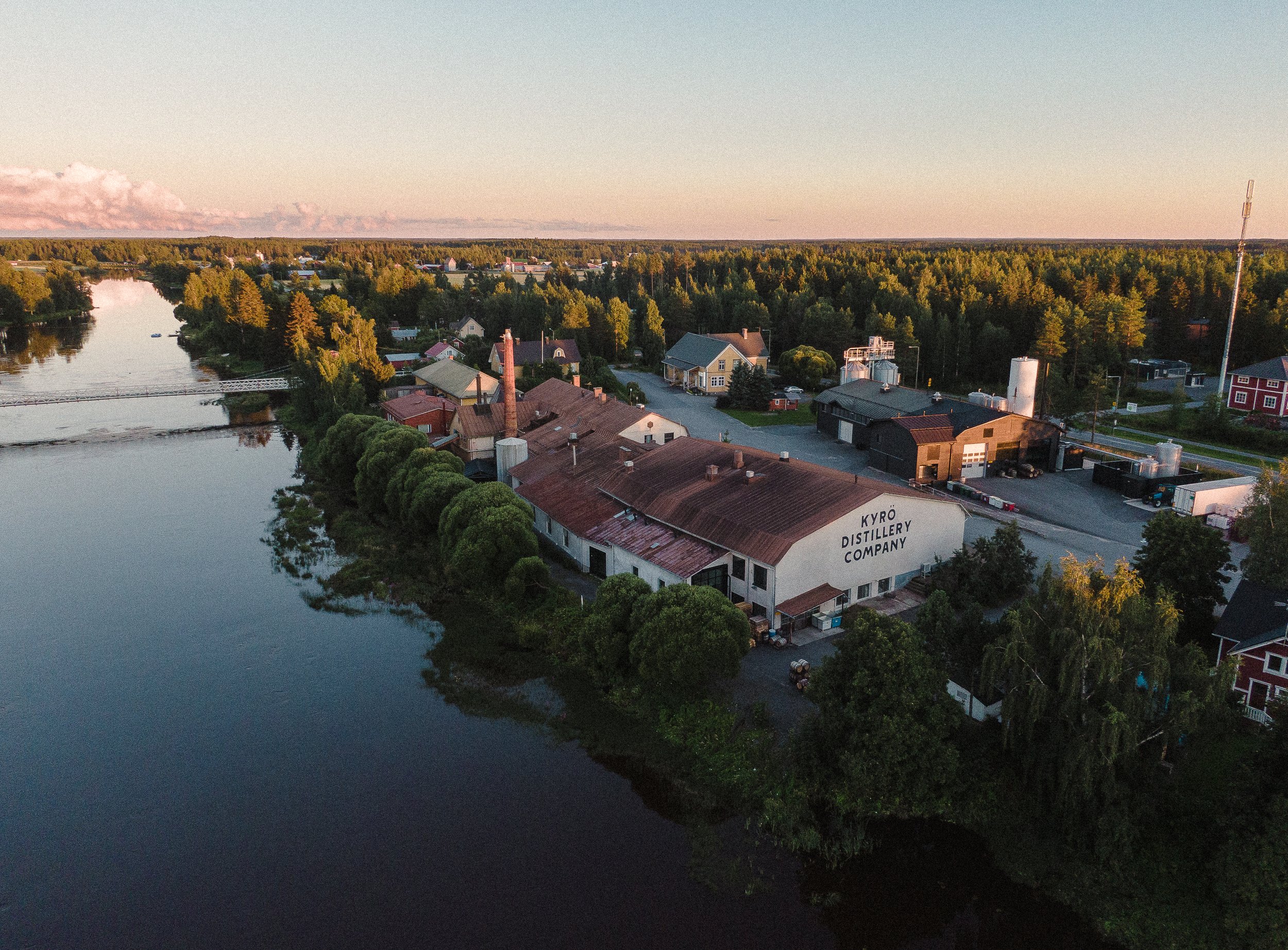
Kyrö distillery on the Isokyrö River in north-west Finland
The remote Finnish parish of Isokyrö has a bloody past and the kind of broodingly beautiful scenery you’d find in a Scandi noir Netflix series. It is also home to Kyrö, the country’s finest whisky. Gordon Thomson headed into the wilderness
The Finns are ready for war. They have good reason to be.
Vladimir Putin’s dream of chiselling out a latter-day Russian empire has already shattered Ukraine’s peace and rattled the nerves of every nation sharing a border with Moscow. Finland’s eastern frontier with Russia stretches for more than 800 miles – a vast seam of forests, lakes and frozen wilderness that history suggests can never entirely be trusted to remain becalmed.
So this happiest of nations remains quietly, resolutely armed.
Military service is compulsory for men. Finland’s population is just 5.6 million to Russia’s 145 million, but it can draw on nearly one million highly trained, combat-ready reservists. This is a country supremely well-equipped for wartime operations.
Even the main transport arteries run primarily north to south. “If the Russians come from the east,” one local tells me matter-of-factly, “good luck; they will have to drive their tanks on fields.”
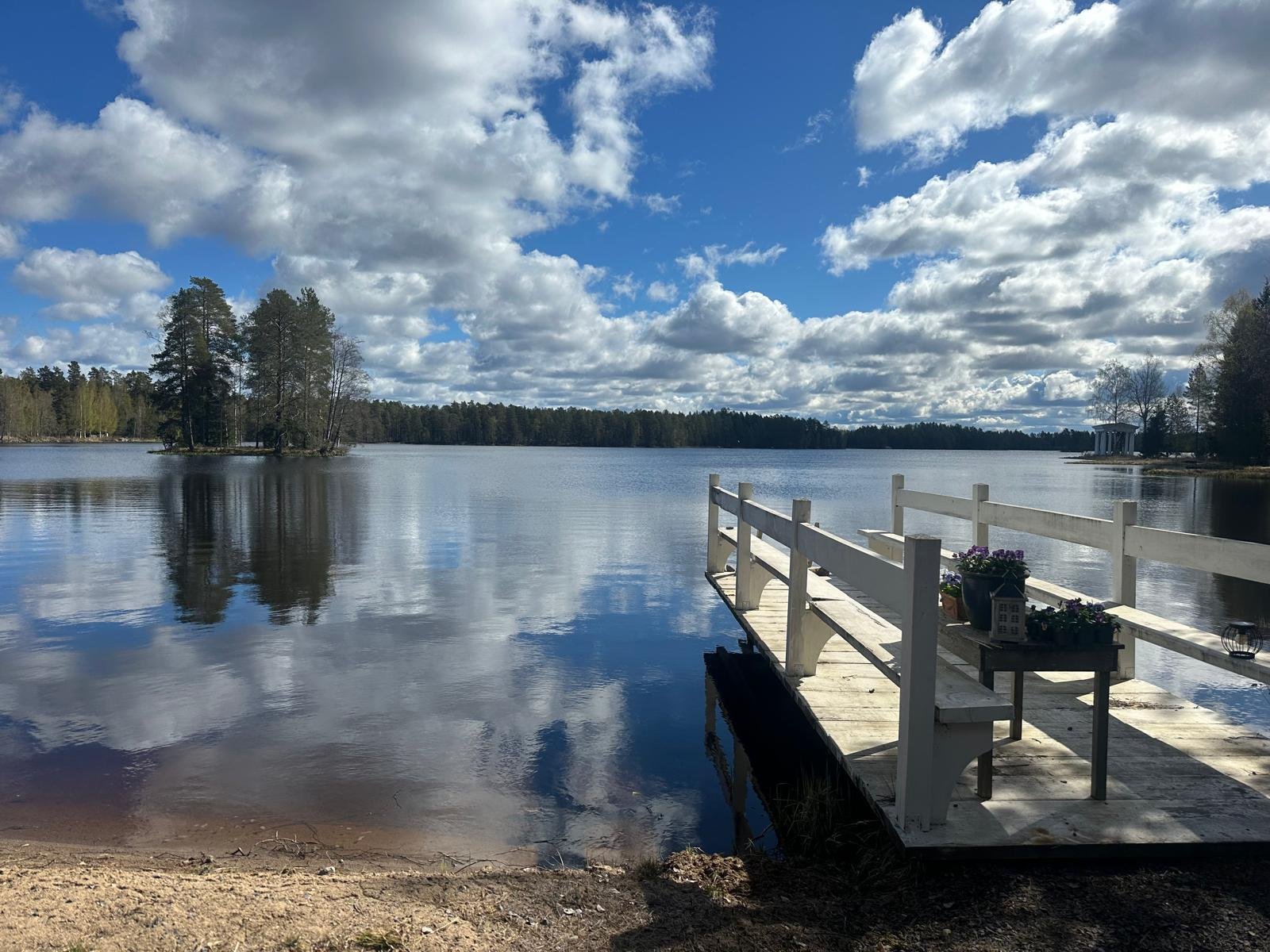
The lake at Orisberg Manor, with the church where Sibelius proposed to his wife in the distance
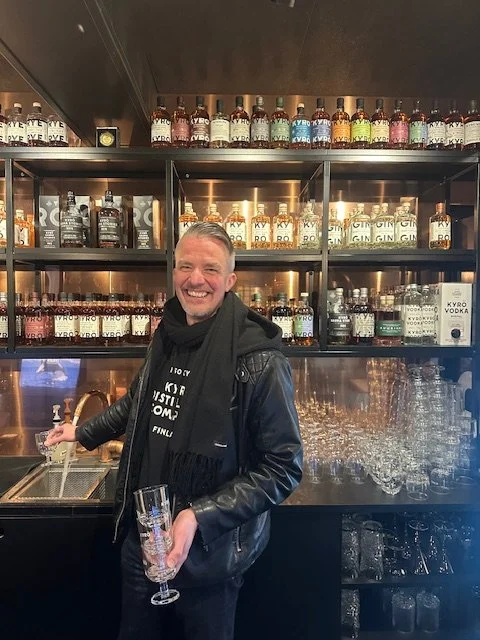
On a luminous May evening in the parish of Isokyrö, 250 miles across the country from that faultline on Finland’s west coast, I find myself standing by the side of a quiet road with Mikko Heinilä. This cheerful, leather-jacketed local is an army reservist officer. He is also a whisky-maker, one of the founders of Kyrö Distillery, which is just as well, as by the time Mikko has finished his chilling reconstruction of one of the bloodiest massacres in Nordic history, I’m going to need a stiff drink.
Mikko gestures across the plains towards a distant tree line. “The Russians assembled there,” he says.
It is hard to imagine now, but on February 19 1714 these unassuming farmlands became the site of the Battle of Napue, the Finns’ last major land conflict against invading Tsarist Russian forces during the Great Northern War.
In temperatures of minus 25 degrees, around 5,500 Finnish peasants and soldiers, fighting under the Swedish flag, stood straddling the frozen Kyrö river facing nearly double their number under Russian commander Mikhail Golitsyn. Before a single volley of muskets could be fired they were undone by a decisive manoeuvre – 2,000 Cossacks sent unobserved around both flanks, trapping the Finns in a devastating pincer movement.
The peasants charged anyway.
What followed was two hours of butchery with muskets, spears, bayonets and swords. Thousands died. Local folklore insists so many corpses littered the frozen river that you could cross without getting your feet wet.
“The Swedish gentry escaped,” Mikko says grimly. “The Finnish peasants did not.”
The defeat ushered in the Great Wrath, a brutal seven-year Russian occupation marked by famine, executions and terror that remains deeply etched into the Finnish psyche. Bones from the battlefield were reportedly still being uncovered well into the early 21st century.
“Everything in Finland has been built with history in mind,” Mikko tells me later. “War. Weather. Survival.”
And yet today Isokyrö is absurdly peaceful.
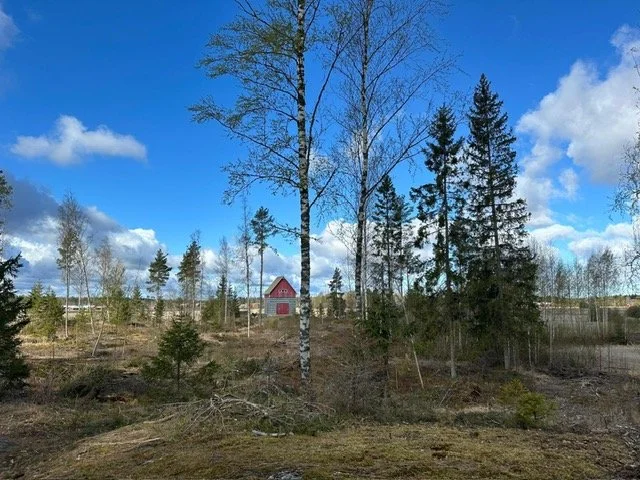
A forest near Levänluhta, one of Finland’s oldest known burial grounds
This quiet parish in South Ostrobothnia is more than 200 miles north of Helsinki and feels entirely removed from the performative frenzy of modern tourism. While the capital attracts the design crowd and Lapland hoovers up the Instagram sleigh-riders chasing the northern lights, this corner of Finland remains gloriously untouched.
Which is precisely its charm.
The train from Helsinki to Isokyrö via Tampere is hypnotic. Mile after mile of spruce, silver birch and pine forests slide past the windows, interrupted by lonely red farmhouses, mirror-flat lakes and – as we approach the parish – colossal glacial boulders dumped across the landscape like forgotten cannonballs from the Ice Age.
Flat as a slice of rye bread and simmering with sinister beauty, the scenery feels ripe for a Scandi noir series that Netflix has yet to commission.
Yet at moments it reminds me less of Europe than the American Midwest, with its clanging railroad crossings and lonely grain silos.
Perhaps that explains why the place carries such a strange emotional pull: Nordic melancholy crossed with frontier vastness.
The silence feels faintly sacred.
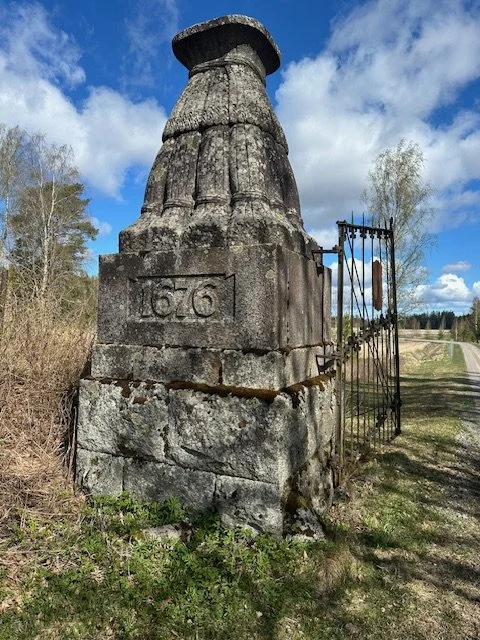
At Levänluhta, one of Finland’s oldest known burial grounds, that feeling is particularly strong. Hidden among farmland near Isokyrö lies this eerie Iron Age water grave where bodies were buried in springs rich with iron. Archaeologists uncovered remarkably preserved remains here, the mineral-rich waters safeguarding clues from more than 1,500 years ago.
Yet Isokyrö is not all ghosts and graves. It also knows how to have a good time.
This is Finland, after all – a nation containing an estimated 3.3 million saunas. They are everywhere. Sauna here is not a luxury. It is a way of life.
“Finns experience everything in the sauna,” Mikko tells me. “People are born in them and they die in them too. Everything in between happens there. It’s a social thing. We treat going to sauna like a night out in the pub.”
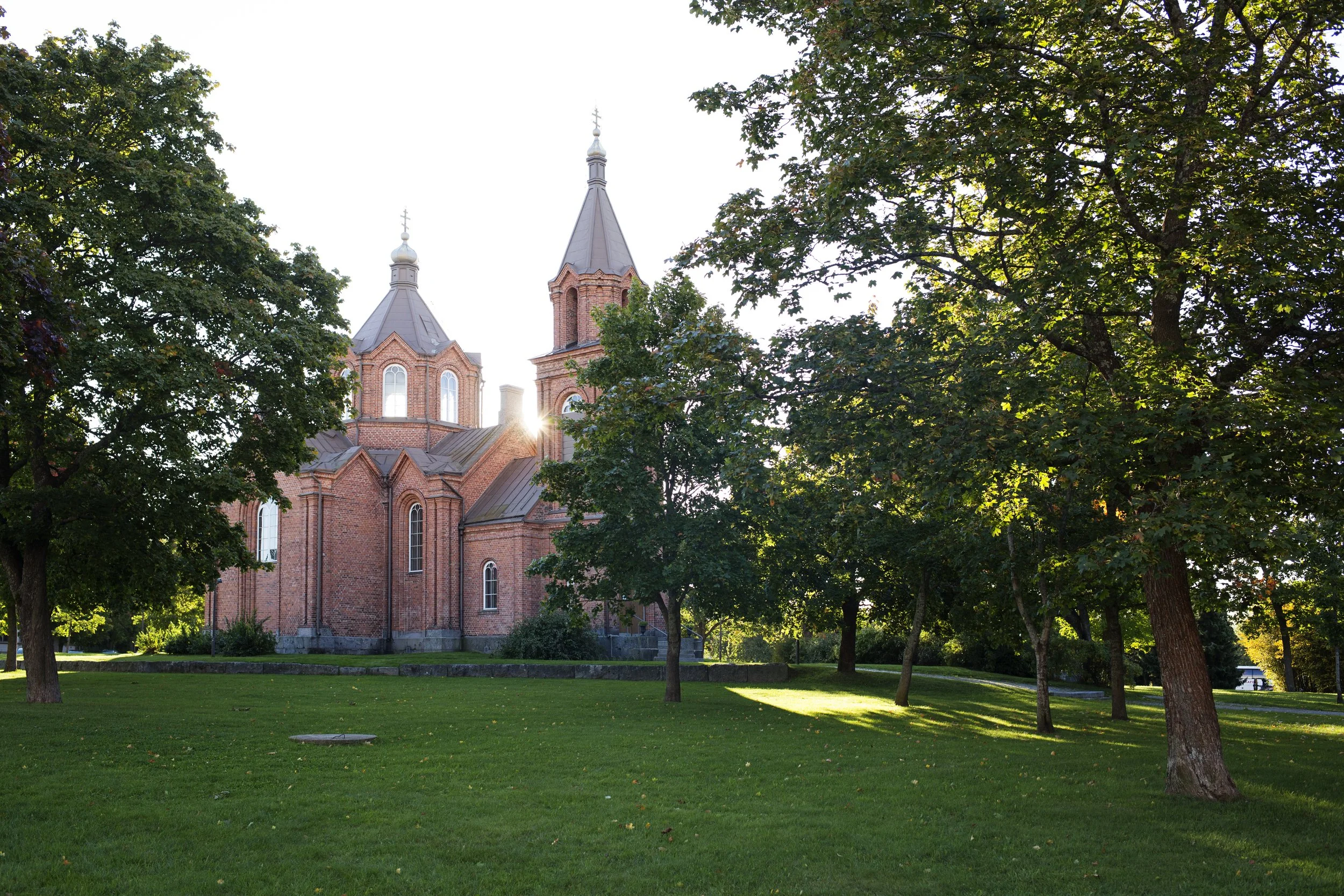
Saint Nicholas Church, Vaasa
Mercifully, when the time comes after dinner on my first night, our hosts permit swimwear – not technically de rigueur in these parts.
Even sans birthday suit (and with a decent whack of wine and whisky inside us) it is a faintly disquieting experience to be sweating and thigh-adjacent with five men and women you met only a few hours earlier.
Soon enough, however, embarrassment evaporates along with bodily moisture.
Cold shower. Sauna. Hot tub. Repeat.
Outside, the night sky burns crimson pink while bottles of Kyrö whisky circulate through the steam. Someone splashes whisky onto the hot stones. The room erupts in fragrant vapour and laughter.
It was during a boys’ night sauna session in 2012 that Mikko and four friends conceived Kyrö Distillery – pronounced “Coora” – now Finland’s most celebrated whisky producer. The pals were drinking American rye whisky and wondering why nobody in Finland was making the stuff themselves, given the country’s abundance of rye and crystalline water.
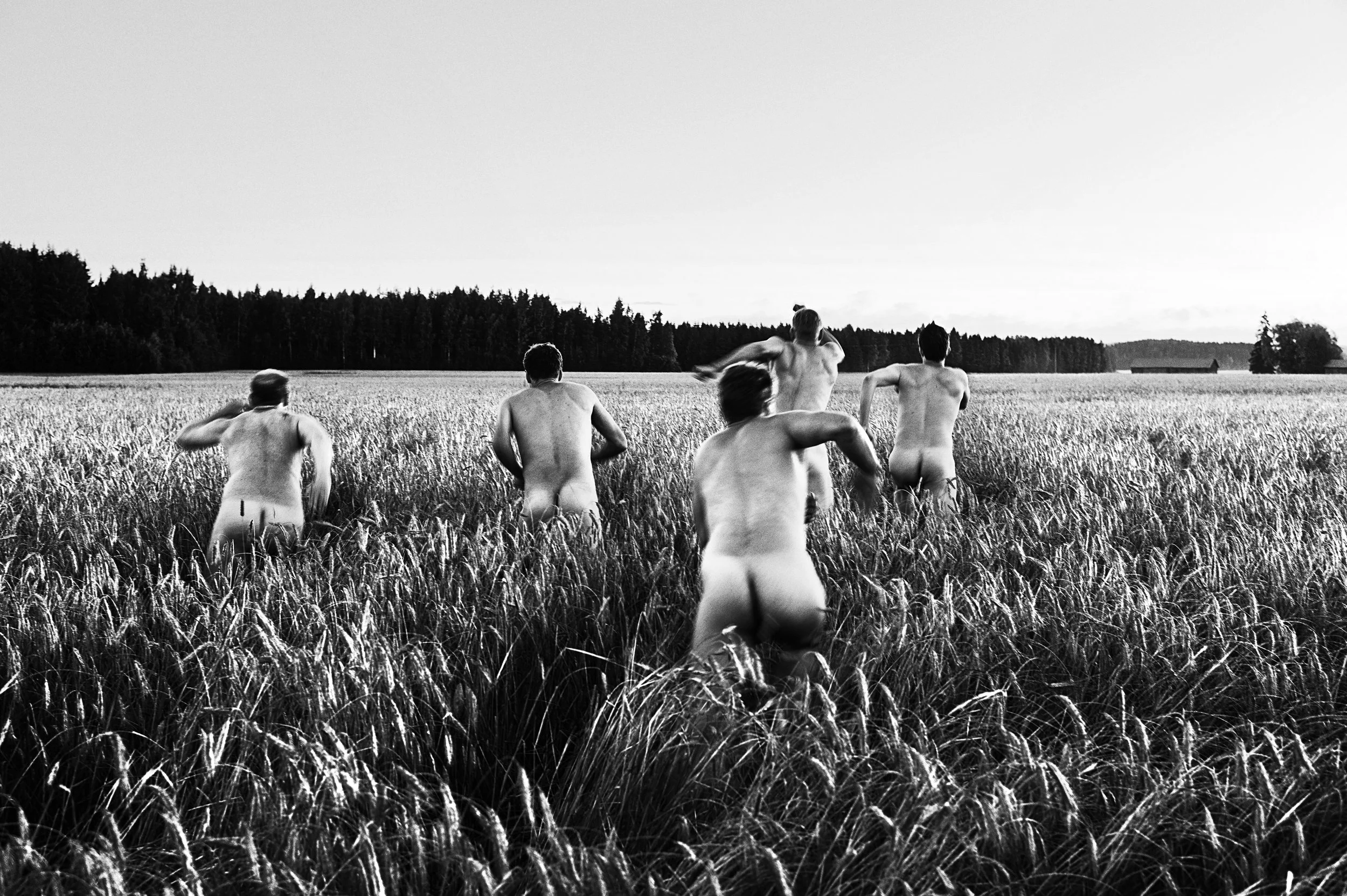
Skin in the game: the Kyrö boys on the night they vowed to launch a Finnish whisky
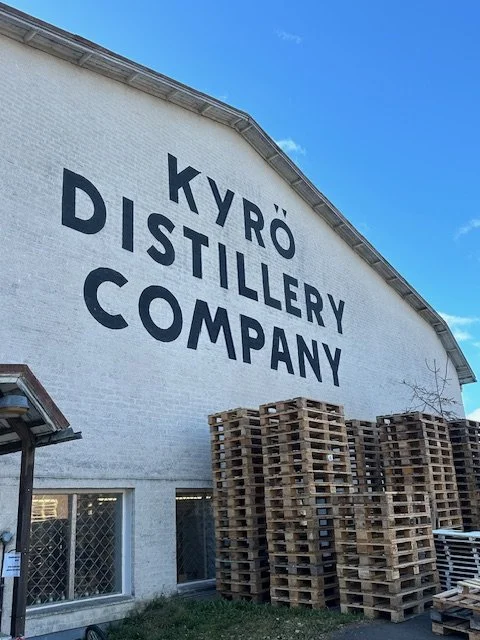
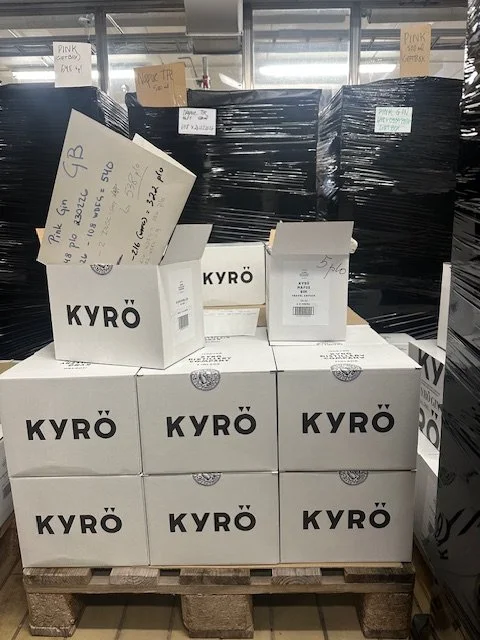
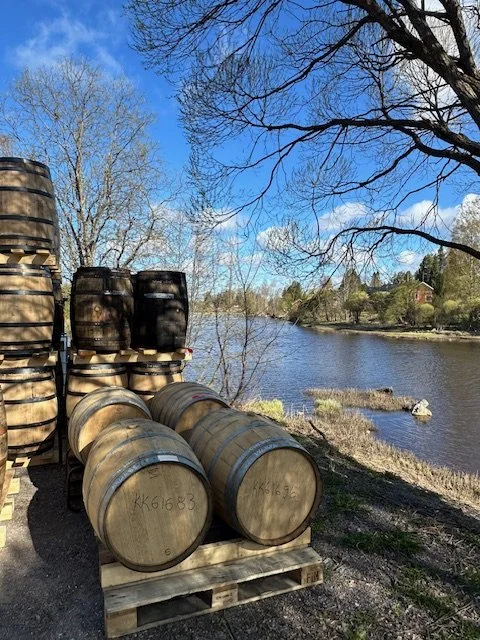
The resulting distillery now occupies a former dairy on the banks of the Kyrö river and accounts for around 23 per cent of Finland’s gin market, alongside a growing reputation for rye whisky that increasingly steals the spotlight.
Its founders retain the mischievous energy of men permanently five minutes away from another brilliantly bonkers idea. Take Kyrö’s limited-edition Sauna Stories releases. By placing barrels in a bespoke, steam-filled “barrel sauna” using excess heat from the distillation process, the casks are ramped up to 55C. This intense, humid environment forces the wood to expand and contract, accelerating maturation and extracting unusual compounds from the oak.
The resulting whisky is genuinely superb: spicy, oily and rich with dark bread, caramel and peppery warmth.
Earlier this month, that mischievous spirit found an unlikely outlet in Westeros.
Kyrö has partnered with HBO to create two limited-edition Game of Thrones whiskies inspired by the elemental forces of the fantasy epic: Fire and Blood. It sounds like the sort of tie-in that might make whisky purists roll their eyes. Yet somehow it works.
What makes both whiskies compelling is that they remain unmistakably Kyrö. Everything here is made from 100 per cent Finnish wholegrain rye, giving the spirit a distinctive personality: spicy, earthy and aromatic, sometimes a little unruly, but always full of character. This is not whisky trying to imitate Scotch or bourbon. It is very much its own northern beast.

Kyrö’s Game of Thrones Whisky of Fire and Whisky of Blood
Blood is the richer, darker dram, packed with red berries, spice and dried fruit, while Fire lives up to its name with smoke, toasted grain and warming peppery heat. Together they feel less like branded merchandise and more like a genuine exploration of Kyrö’s house style.
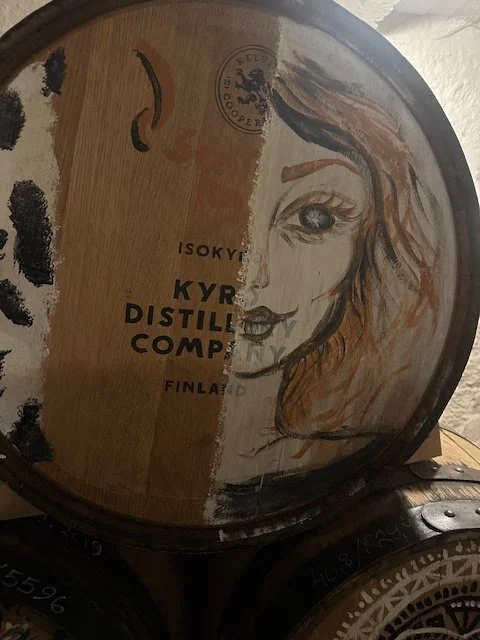
Earlier that day, touring one of the distillery’s warehouses with Mikko, I had seen rows of bourbon barrels, wine casks and experimental projects quietly maturing in the cool Finnish air. Outside, Isokyrö looked about as far removed from a global whisky launch as it is possible to imagine. Yet that sense of place is precisely what makes Kyrö so distinctive.
In a landscape shaped by long winters, resilience and storytelling, perhaps Game of Thrones is not such an unlikely fit after all.
The branding, meanwhile, remains magnificently Finnish. Isokyrö’s traditional emblem depicted a bear holding a club. Kyrö changed it to a seal clutching a bottle – “the seal of approval”.
Finnish humour tends to arrive dry enough to desiccate a raisin.
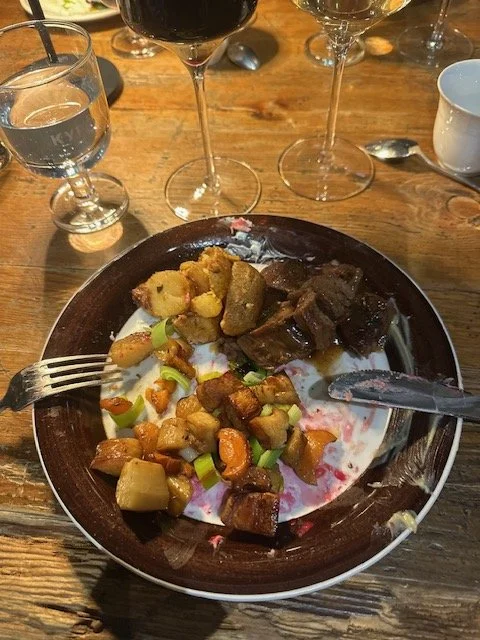
Dinner at Kyrö Kitchen is proof that Nordic cuisine has quietly become one of Europe’s great pleasures. I eat pork neck lacquered with whisky syrup and cold-smoked pike served with ginger yoghurt and dill oil sharp enough to wake the dead at Levänluhta.
On another night I am served moose at Pitkä-Perttilä, a traditional farmhouse believed to be the longest in Finland and linked to the author and poet Sakari Topelius. After dessert, owner Johanna Perttilä produces a tray of cannonballs and musket shot recovered from the battlefields of Napue as casually as somebody showing holiday snaps.
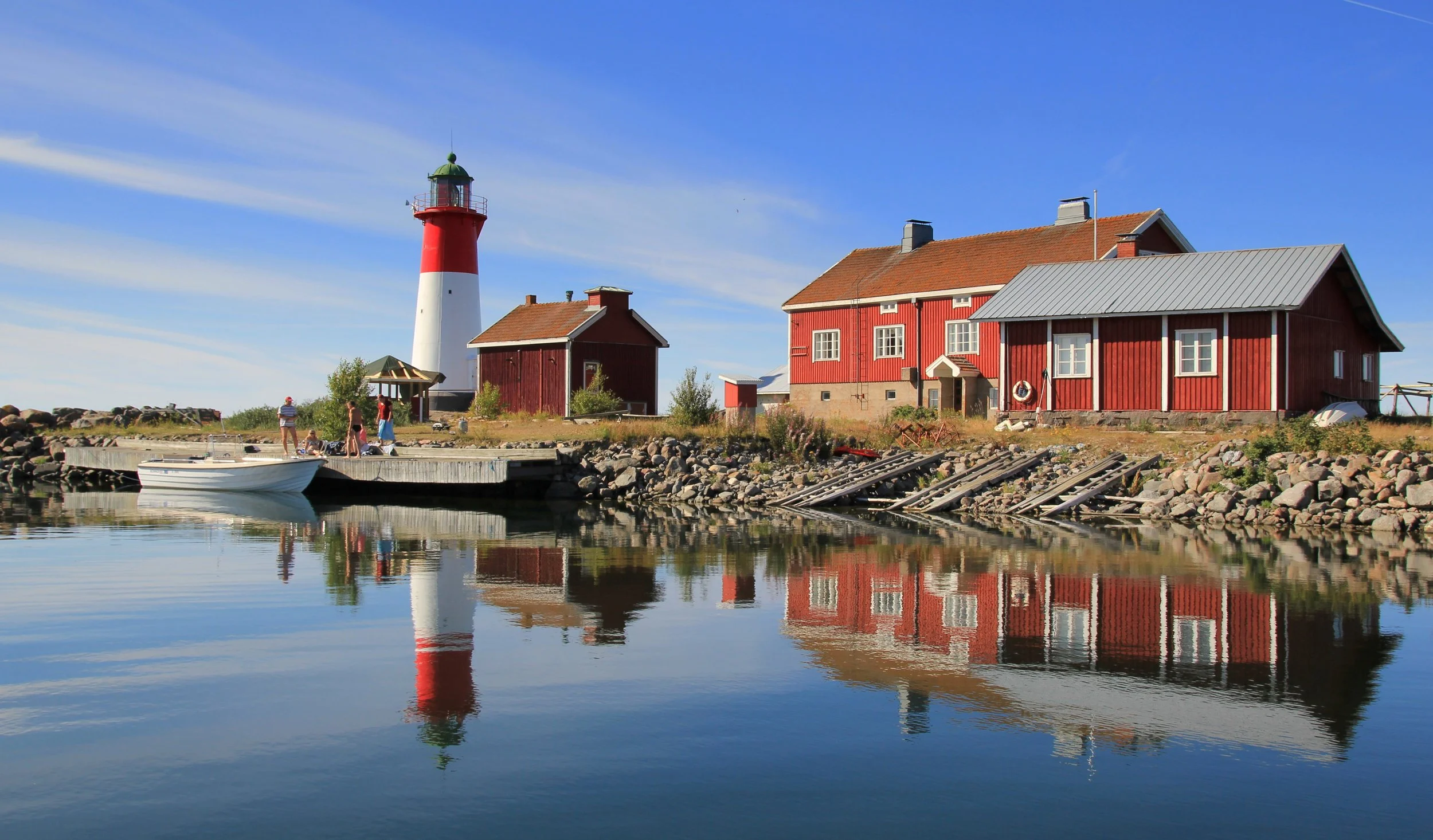
Strömmingsbådan Lighthouse
Served with mashed potato and sharp lingonberries, the moose itself, though not overburdened by moisture, tastes earthy, lean and faintly sweet.
We leave Johanna at dusk, though it barely arrives at all. In the run-up to midsummer, the days lengthen by seven minutes daily until darkness itself seems to surrender.
There is music and poetry down every birch-lined track.
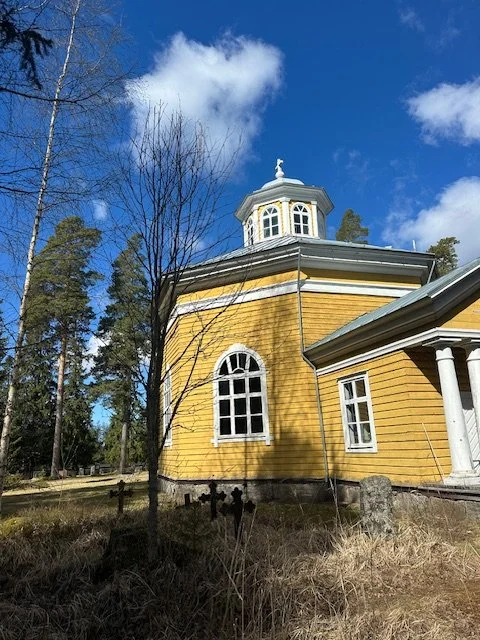
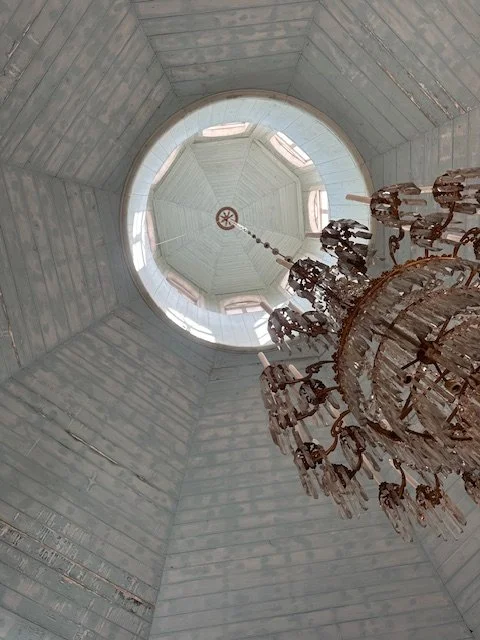
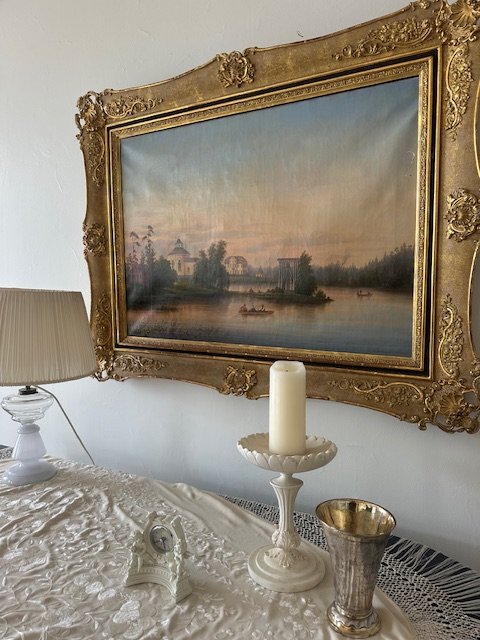
At the sprawling Orisberg Manor, with its shimmering lakes, whispering trees and astonishing octagonal neoclassical wooden church, it feels as though I have wandered onto the set of an Ingmar Bergman film. The composer Jean Sibelius and his wife Aino Järnefelt exchanged engagement rings beside the bell tower nearby and, standing by the water listening to Finlandia through my headphones, it is impossible to imagine that music being composed anywhere else.
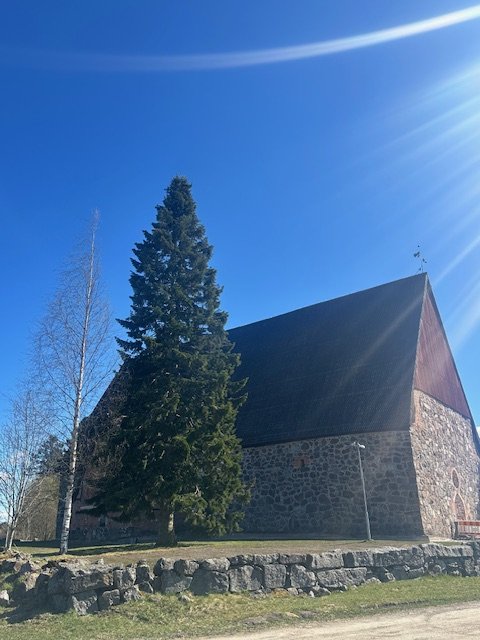
Even the holy buildings possess cinematic grandeur. The medieval stone church at Isokyrö rises above the river like a fortress of faith, its biblical murals, commissioned by the dean Jaakko Geet in the 1560s, still vivid in reds, ochres and smoky blacks.
And then there is Vaasa.
If Isokyrö feels like a beautiful secret, Vaasa is Finland quietly showing off.
A short 45-minute drive to the coast, my guide to this pleasant city of 70,000 people is Max Jansson, a man who possesses the excitable energy of a shaken bottle of cola. Within minutes of picking me up in his car, he has swooped into a state-licensed alcohol store so we can buy cans of Finland’s beloved lonkero – a gloriously refreshing cocktail of gin and grapefruit soda invented for the 1952 Helsinki Olympics and still sold in cans that look retro only because nobody ever bothered updating them.
Finland regulates alcohol with typical Nordic seriousness. Anything above eight per cent ABV must still be sold through government-controlled Alko outlets – which means none of the 14,000 annual visitors to Kyrö Distillery can actually leave with a bottle in hand.
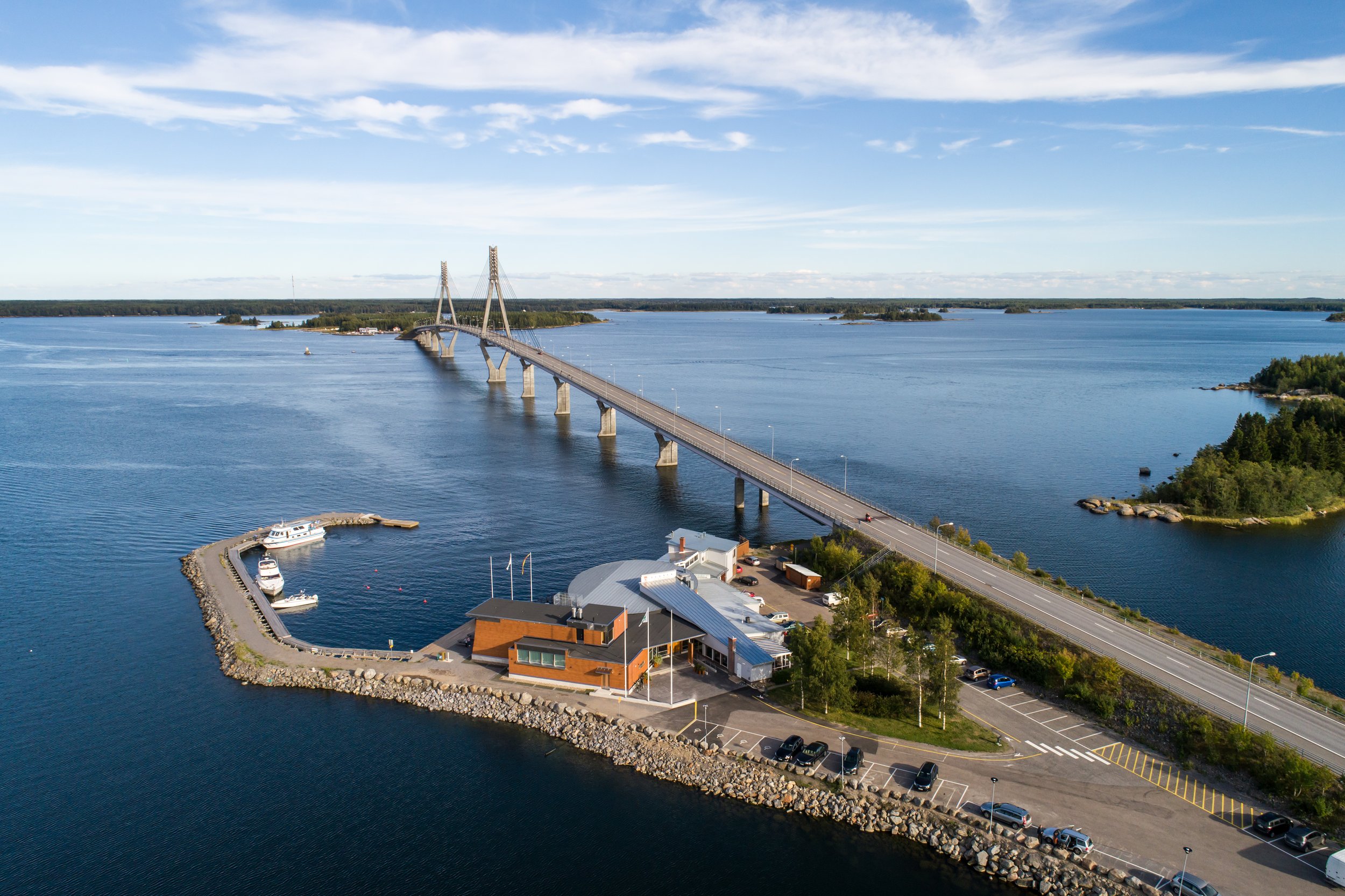
The Replot bridge at Vaasa, leading to the Kvarken Archipelago
Max ricochets me through Vaasa, dipping into craft breweries, hip wine bars, harbour restaurants and down the elegant main drag, which feels a little like Finland’s answer to the Ramblas. At the historic Strampen restaurant on the waterfront, we feast on steak tartare and whitefish while sailboats bob gently beyond the windows.
“If Vaasa was a person,” I find myself thinking, “they would be handsome, highly educated and surprisingly fun after two drinks.”
The city certainly has the credentials. There are five universities in a town of just 70,000 people, giving it an energy that feels youthful without trying too hard.
Just beyond Vaasa lies one of northern Europe’s strangest natural wonders: the Kvarken Archipelago, Finland’s only UNESCO natural World Heritage site. Here the land is still physically rising from the sea after the last Ice Age, climbing almost a centimetre every year as the earth slowly rebounds from the crushing weight of vanished glaciers.
Max is explaining this proudly as we cross the Replot Bridge – until recently the longest in Finland – towards the vast archipelago.
“Look west from here and the next stop is Sweden.”
What lingers longest, though, is not the whisky, the food or even the extraordinary landscape.
It is the stillness.
Western Finland offers something increasingly rare in modern Europe: space to think. No influencer queues. No frantic sightseeing itineraries. No curated “authentic experiences”.
Just forests, lakes, farmhouses and kind-hearted people armed with bone-dry humour and nerves of steel.
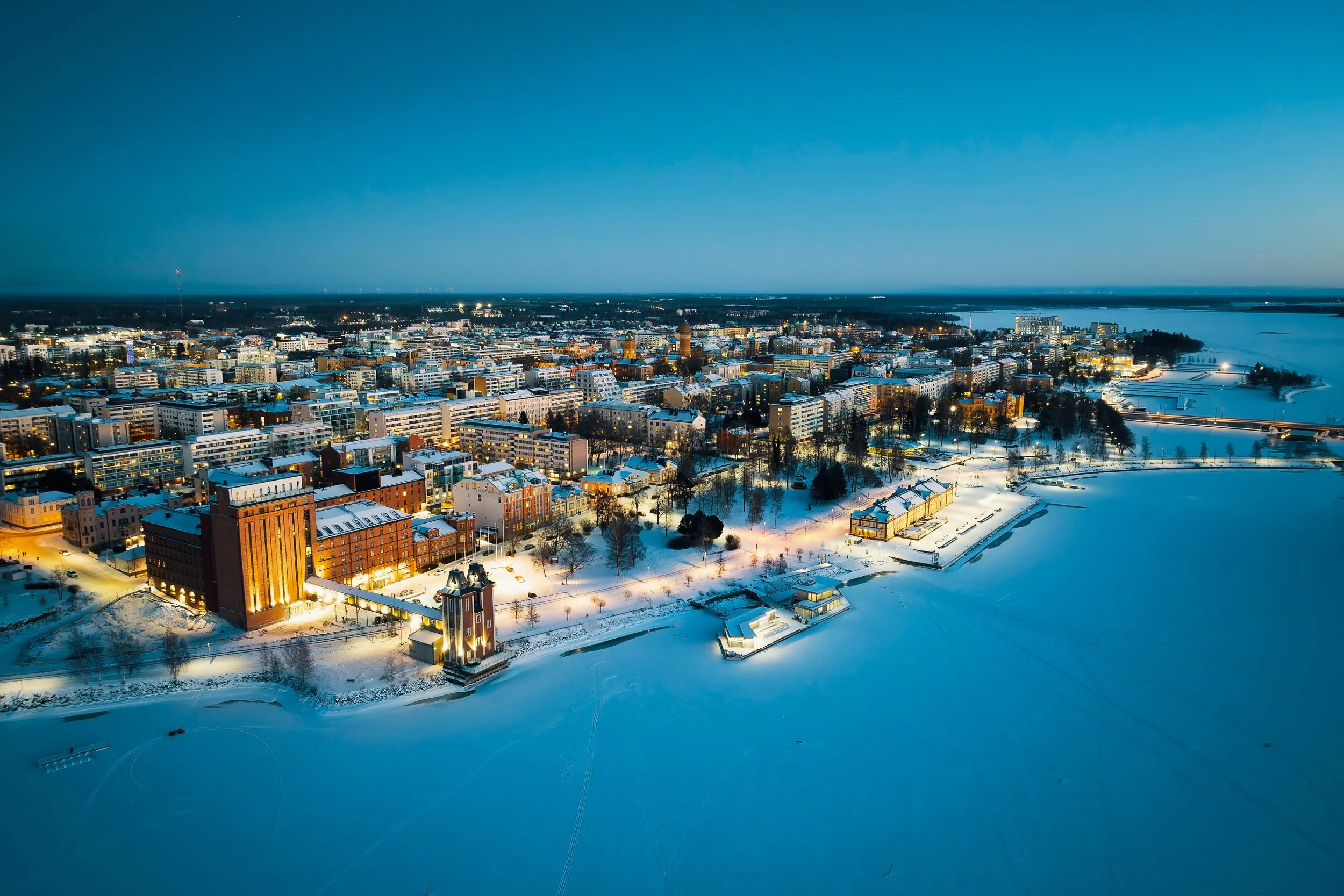
Winter in Vaasa
Centuries of invasion, brutal winters and geographical isolation have forged a people who are resilient without swagger, patriotic without bombast and warm without ever becoming showy.
Sometimes the beauty catches you off guard and triggers a strange ache somewhere deep inside. Perhaps it is Sibelius's brooding strings echoing through the landscape. Or perhaps it is the knowledge that beneath these peaceful fields lie the scars of centuries of conflict.
Either way, Finland captured my heart.