Who says the master distiller should make the whisky?
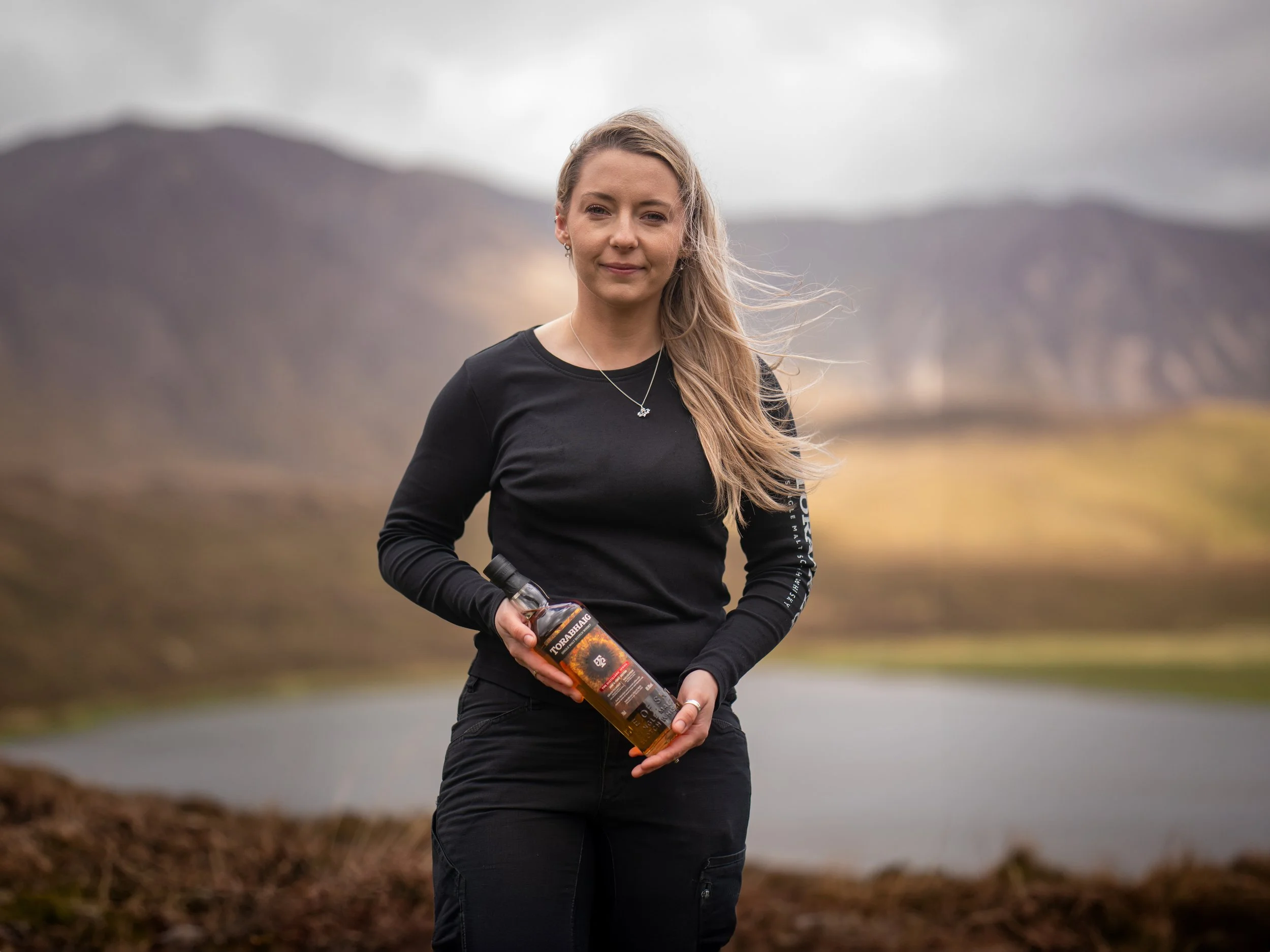
Iona Macphie created her own whisky for Torabhaig aged just 23 years old
Scotch whisky normally puts decades of experience behind its most important decisions. Torabhaig tried something rather different, handing its junior distillers the keys and telling them to make whatever they wanted
Spend enough time around Scotland’s established distilleries and you start to notice how often the same names come up. Bill Lumsden joined Glenmorangie in 1995 and has spent three decades shaping its whisky. Brian Kinsman arrived at William Grant & Sons in 1997, trained under David Stewart and became only the sixth Malt Master at Glenfiddich in 2009. Tamdhu has been made by just two Sandys (Coutts and McIntyre) for more than half a century.
There is good reason whisky prizes that sort of experience. A successful distillery spends years developing a recognisable character, and the people making it learn how tiny decisions in fermentation, distillation and wood will play out not next week but five, 10 or 20 years later. Over time the maker can become almost as closely associated with the whisky as the distillery itself.
Torabhaig has the advantage of being much younger. Distilling only began in 2017, after an old farm steading on the Sleat peninsula of Skye was restored and turned into the island’s second licensed single malt distillery in 190 years. Rather than inheriting two centuries of established practice, it was still working out exactly what Torabhaig should be.
“Bringing younger people, local recruits and people from completely different careers into whisky becomes much more interesting when they are allowed to bring some of themselves with them”
So somebody had a rather good idea of asking what would happen if occasionally they gave the keys to somebody much newer.
Iona Macphie had discovered whisky while working as a tour guide at Talisker and joined Torabhaig at 21 with no professional distilling experience. Two years later she was given around a month to create a whisky of her own, with freedom over the malt, yeast, fermentation, distillation and eventual maturation.
“I could use any combination of malt, yeast, fermentation, cut points and cask, so long as it stayed within the regulations for a single malt Scotch,” she says. “The only real limit was equipment.”
For a 23-year-old who had only recently learnt how to make whisky, it was a fairly serious vote of confidence.
Chocolate, lots of it
Macphie’s idea began during a trip to Crisp Maltings in Portgordon, where she discovered chocolate malt, barley roasted until it develops deep coffee, cocoa and toasted flavours, and liked it enough to eat by the handful.
She decided to build her whisky around it, using chocolate malt for 10% of the recipe and removing Torabhaig’s normal peat so those darker flavours had room to come through.
“I capped it at 10% out of caution rather than trial and error,” she says. “I was worried anything higher might cause problems during production, so I made the call and put a full batch through rather than running smaller trial mashes first.”
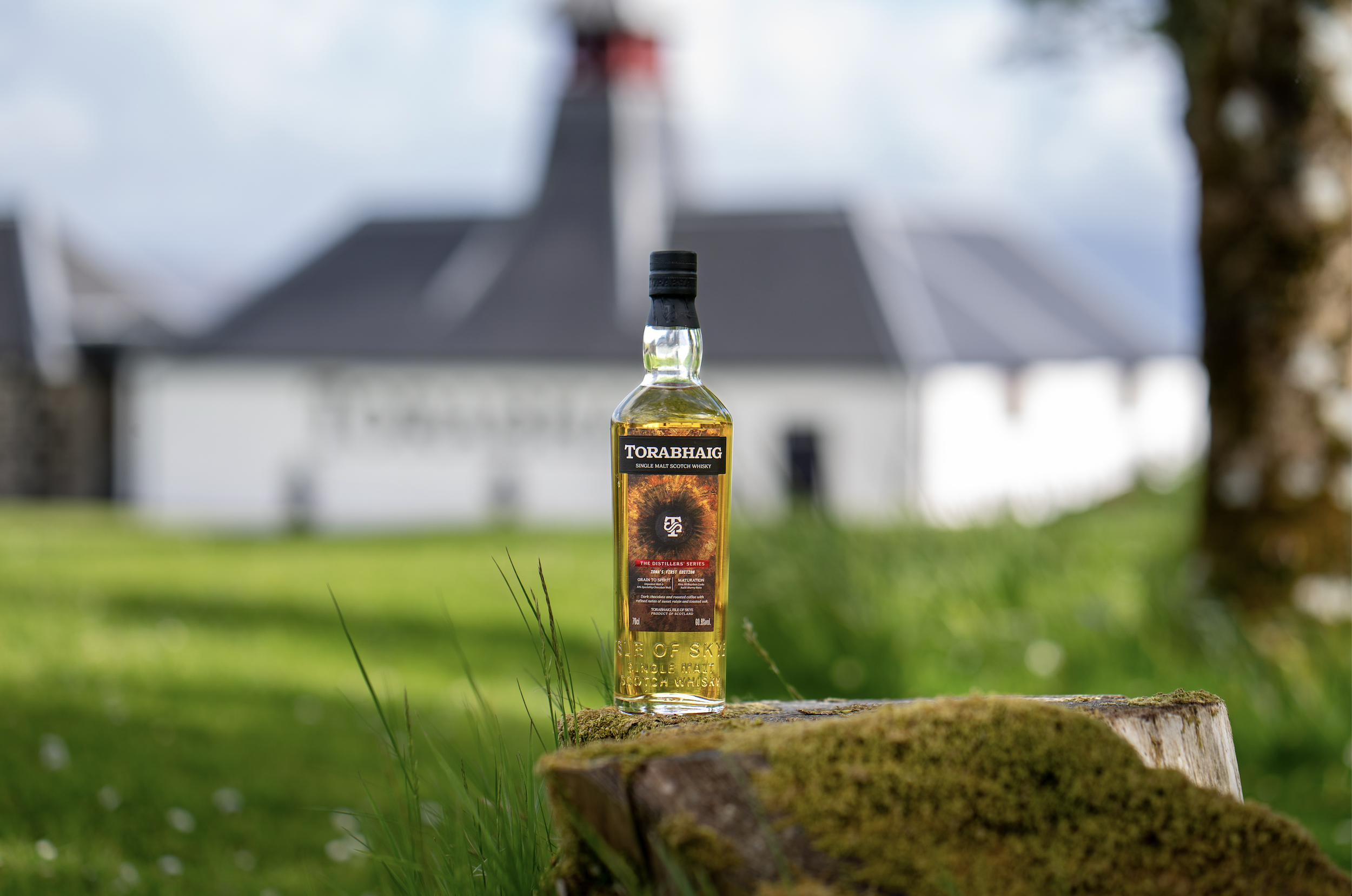
Iona’s 6 year old whisky is chocolate liqueurs that emerge from my mother-in-law’s cupboard
What emerged looked and smelled completely different to normal Torabhaig. During production the liquid became almost black, closer in appearance to stout, while the familiar peat was replaced by roasted coffee and chocolate. The heavily roasted malt also produced less alcohol than conventional distilling barley, although the reduction was only around 5%, considerably less than Macphie had expected.
“We had complete free rein and could sacrifice as much yield as we wanted,” she says, “but at the end of the day I wanted to have some spirit in the tank!”
After three years in bourbon casks she felt some of that chocolate depth was beginning to fade, so moved part of the whisky into older sherry casks herself and continued following it through maturation.
The six-and-a-half-year-old whisky that eventually came out of the other end is, frankly, delicious, and genuinely one of the nicest things I have tasted this year.
For me it is Germany at Christmas, those chocolate liqueurs that emerge from mother-in-law’s cupboards in improbable little shapes, with a sweet cocoa shell hiding a syrupy hit of booze inside. There is mocha, dark chocolate and that slightly warming alcoholic prickle of biting into a praline and discovering someone has somehow squeezed a tiny glass of schnapps into it.
Yet the whisky never becomes thick or sickly. It is surprisingly light across the palate, with sweetness upfront and enough spice and warmth underneath to keep everything moving rather than turning it into liquid pudding.
Seven years after making it, Macphie has inevitably decided that she was far too cautious the first time.
“More chocolate malt and less yield!”
Giving people more than a job title
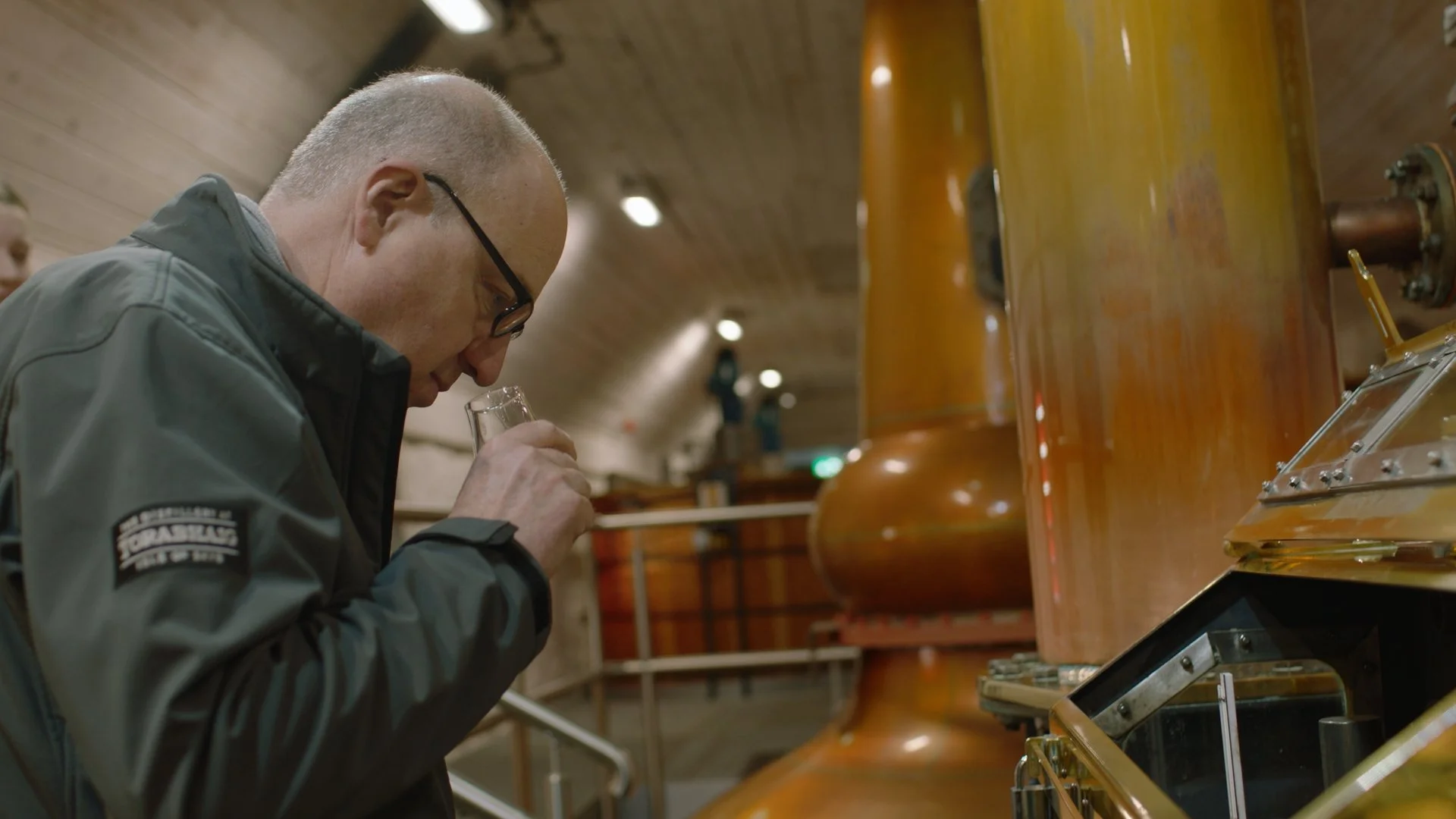
Neil MacLeod Mathieson, Torabhaig’s whisky maker, was the person willing to hand over that much freedom, although the thinking behind it goes back to the way the distillery recruited its production team in the first place.
“Every distiller here has come here from a life outside whisky, gone through the same training, and most have gone on to formal qualifications with the IBD,” he says. “We didn’t bring the distillers in to just follow a recipe, we want them to bring their own ideas to the table too.”
Neil MacLeod Mathieson, Torabhaig’s whisky maker has been handing over the keys
Whisky has broadened considerably in terms of who drinks it, who works in it and who appears on behalf of its brands, but there is a difference between expanding the faces associated with whisky and expanding the group of people actually allowed to shape it.
Putting a young woman in front of a bottle as a brand ambassador changes who consumers see representing whisky. Training a 21-year-old woman to make Scotch, then a couple of years later trusting her with production time, expensive raw materials and casks that will sit on the company balance sheet for years gives her an opportunity to change what is actually inside the bottle.
The same goes beyond gender. Bringing younger people, local recruits and people from completely different careers into whisky becomes much more interesting when they are allowed to bring some of themselves with them, rather than spending years learning precisely how the previous generation did everything and then being expected to reproduce it.
Mathieson says there was advice if the distillers wanted it, but beyond the requirement that the result still had to qualify legally as Scotch, the decisions belonged to them.
“The distillers aren’t just following a recipe or getting a nod of approval,” he says. “They’re making every call themselves, from malt to cask, and putting their name to the result.”
Same freedom, completely different whisky
Niall Culbertson, who grew up around a mile from Torabhaig, was given essentially the same opportunity as Macphie and went somewhere completely different with it.
His starting point was childhood trips into the bay with his fisherman father, and rather than chocolate he began thinking about evening bonfires, seafood cooking beside the shore, smoke, fruit and rum.
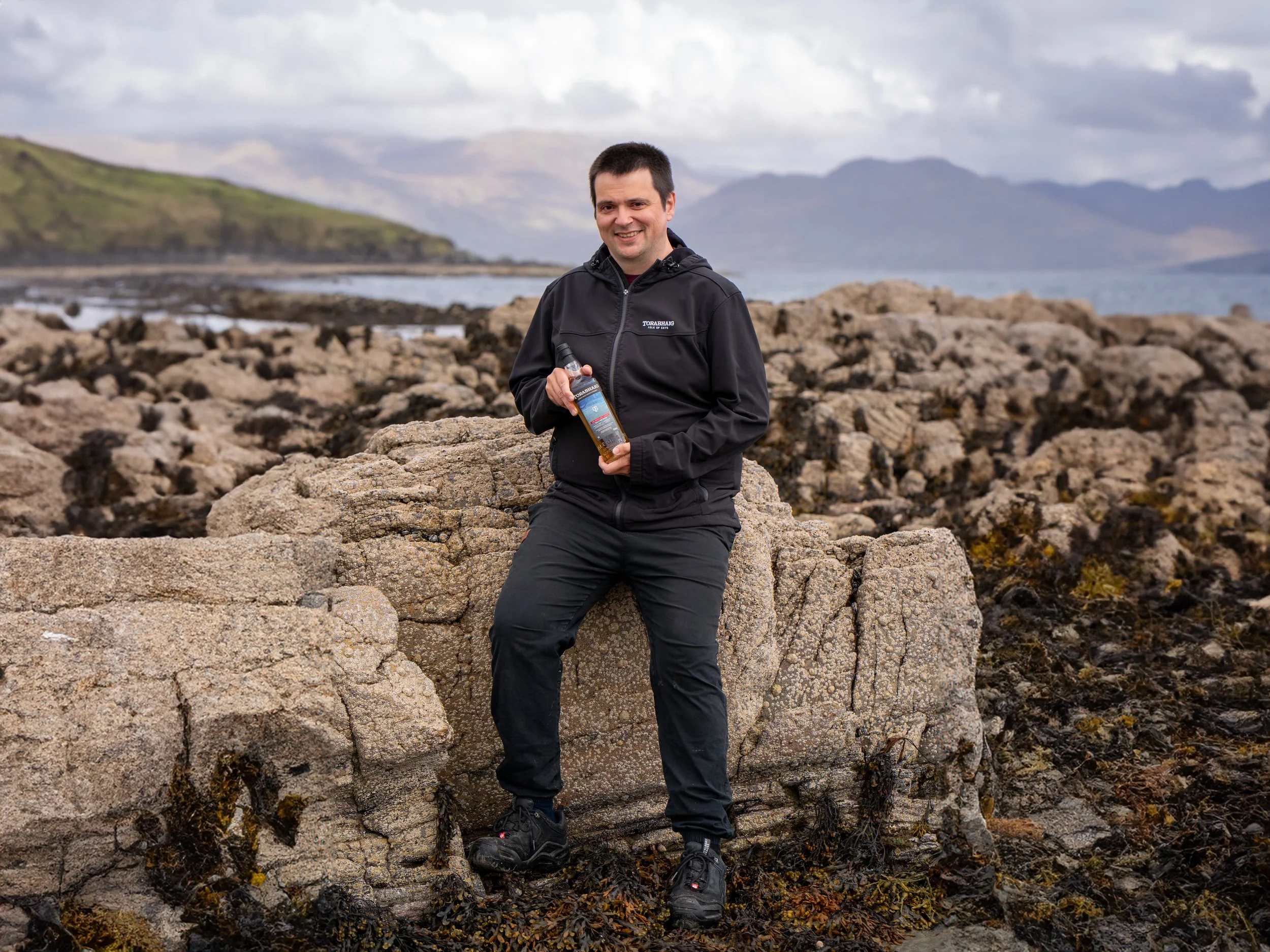
Born and bred on Skye, Culbertson brought the taste of the island to his bottling
“For me I think of evening bonfires on the shore, marinated seafood being smoked or barbecued, bright yet bracing weather,” he says.
Culbertson, who has a background in biochemistry, used lightly peated barley alongside brown malt and dark crystal malt, both more familiar from brewing, then changed the fermentation and distillation to pull out the flavours he wanted.
Not every choice needed a scientific justification. Brown malt also appealed because of its historic use in west coast Scottish ales, while rum was always going to feature because both he and his father drink it.
After three years in bourbon casks, three quarters of the whisky was moved into barrels that had previously held Doorly’s 14-year-old rum from Foursquare in Barbados, one of Culbertson’s favourites, where it spent another three years.
Macphie may have produced the more elegant whisky, but Culbertson has built something which arrives with considerably less subtlety.
This thing is a tractor. It is oily, smoky, dirty and full of power, with peaty mud seemingly caked (like malty round biscuits) for tyres. There is a fierce fire that rolls through the mouth and rumbles down into the belly, while the rum brings sweeter fruit underneath without ever taming it completely. Macphie’s whisky is a box of chocolate liqueurs; Culbertson’s has just driven across the field and parked on top of it.
What surprised Culbertson was that after changing almost everything he had been allowed to change, he could still recognise the distillery underneath.
“Despite me changing everything away from core Torabhaig I think there are still hints of it there,” he says. “Even with a different set of ingredients and parameters the distillery still has its say.”
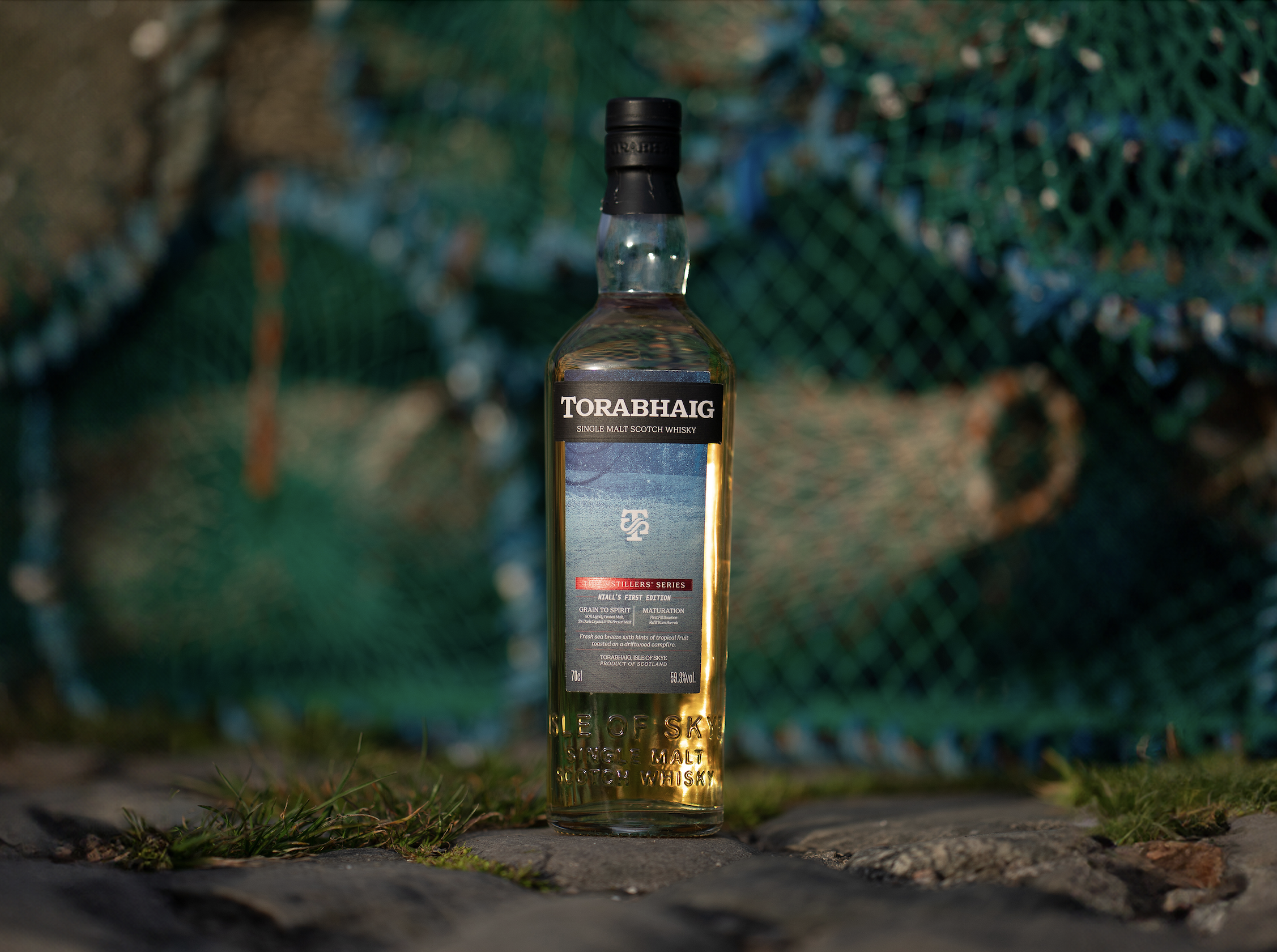
Culbertson’s whisky is a tractor: It is oily, smoky, dirty and full of power
Room to play
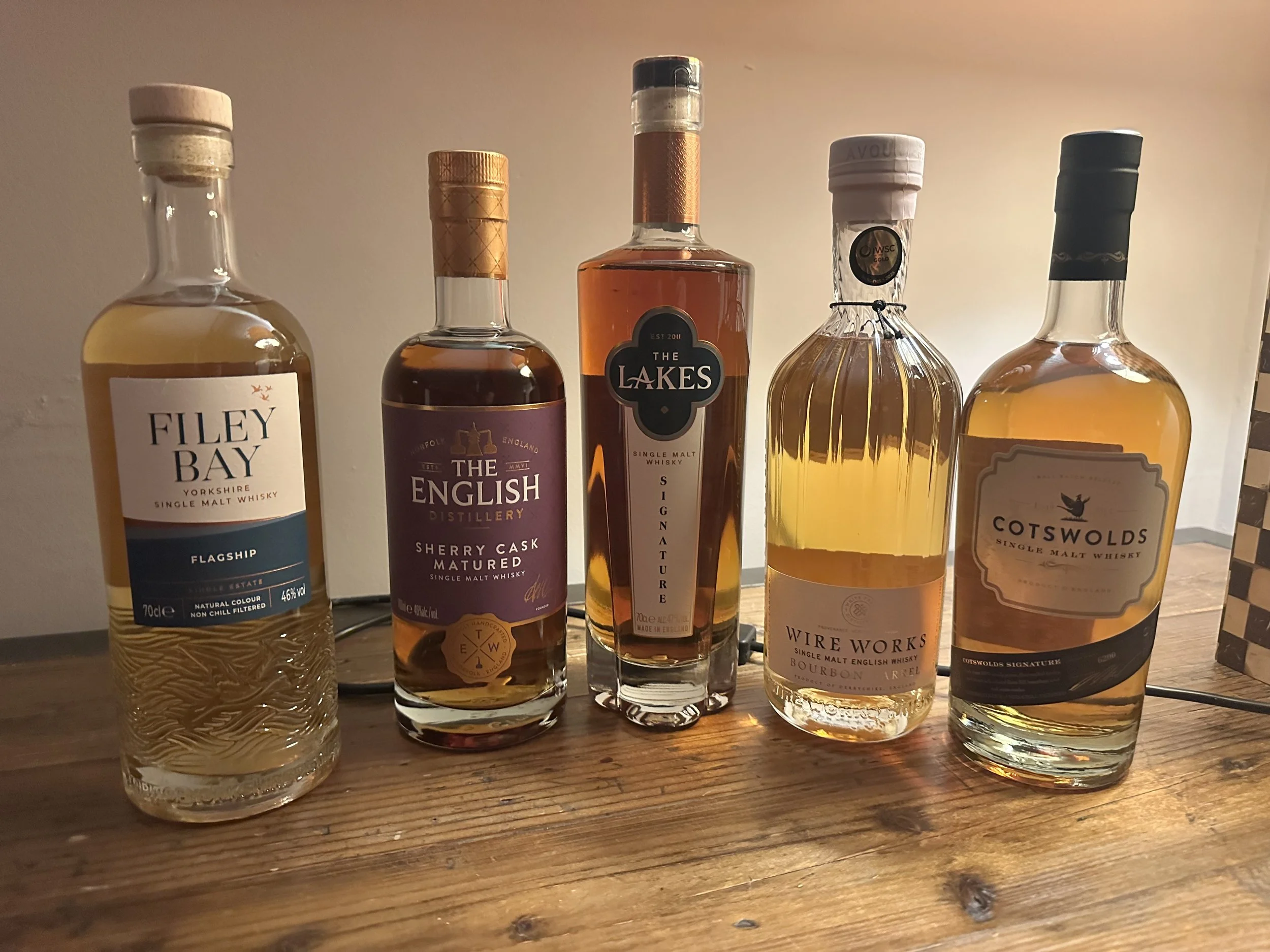
Torabhaig is not completely alone in putting whisky creation into more hands. Nc’nean has been doing something similar through its Quiet Rebels series, in which a different member of its team gets to curate an autumn release around their own tastes. Its latest, Quiet Rebels: Matthew, has just appeared in the limited-edition range, following releases created around team members including Annabel, Lorna, Gordon, Amy and Simon.
There is a difference in how far the freedom goes. Quiet Rebels has generally involved staff shaping existing whisky through cask selection, blending and finishing, while Torabhaig has pushed the decision back to the very start, allowing its distillers to alter how the spirit itself is made.
Both approaches, though, work on the same useful premise: interesting ideas do not necessarily come from the person with the grandest title.
All nine Torabhaig distillers have now had a chance to make their own whisky, with the resulting casks sitting in the warehouses and two expressions planned each year. Some of what they have learnt is already feeding back into other experiments at the distillery, including heavier peat, older barley varieties and grain from individual farms.
An established core whisky needs consistency, and nobody is suggesting decades of expertise should suddenly become undesirable. The opportunity sits around the edges, where a distillery can afford to loosen its grip, hand somebody else the controls and accept that the destination might not be quite what it expected.
Sometimes that will produce something odd, sometimes something that never deserves to leave the warehouse, and every so often a 23-year-old will eat a handful of chocolate malt, wonder what would happen if she put a load of it through the distillery and end up making one of my favourite whiskies of the year.
That feels like a pretty decent reason to pass the keys around occasionally.
The Distillers' Series is available now from £75