New Zealand’s Cardrona comes of age
Over dinner in London, master distiller Sarah Elsom tells Tom Pattinson how a small distillery in New Zealand’s Southern Alps is finding its place in the whisky world
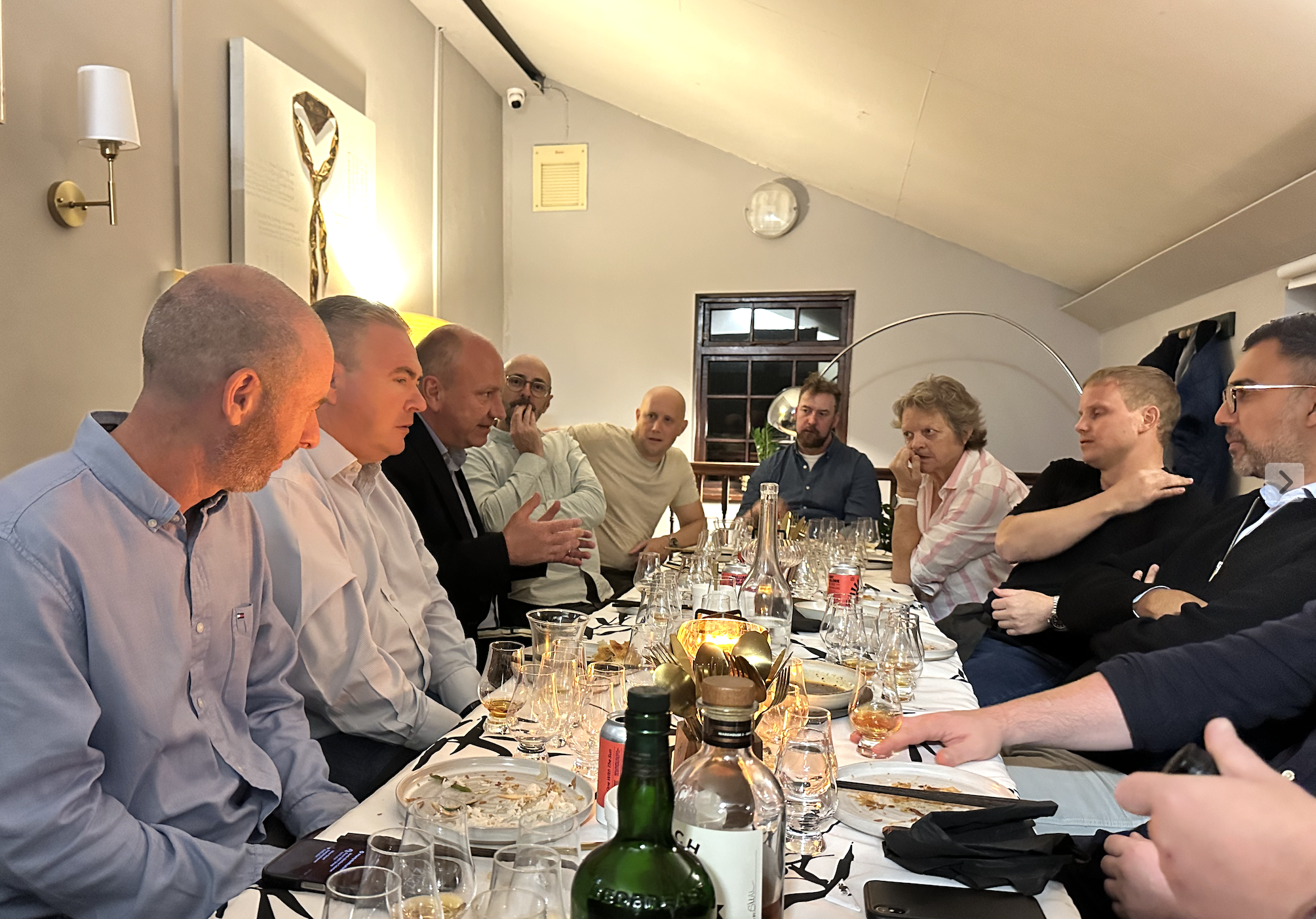
It’s still surprisingly warm for a mid-October evening in London, although Sarah Elsom says the weather isn’t all that different from late spring back home. Relaxed and engaging, with a distinctive Kiwi twang, Elsom is the master distiller at Cardrona, a small distillery tucked away in a remote valley in New Zealand’s Southern Alps, and tonight we’re sitting around a table at Dinings SW3 in Chelsea to taste some of the whiskies she has spent the best part of a decade producing.
Elsom has brought a selection of bottles, including The Falcon, Cardrona’s flagship single malt, available in the UK from £158. The other three are single-cask whiskies matured separately in ex-bourbon, Pinot noir and Oloroso sherry wood, the styles that go into The Falcon. They’re due to arrive in the UK in the new year, but for now we have the unusual opportunity to taste each component before trying the finished whisky.
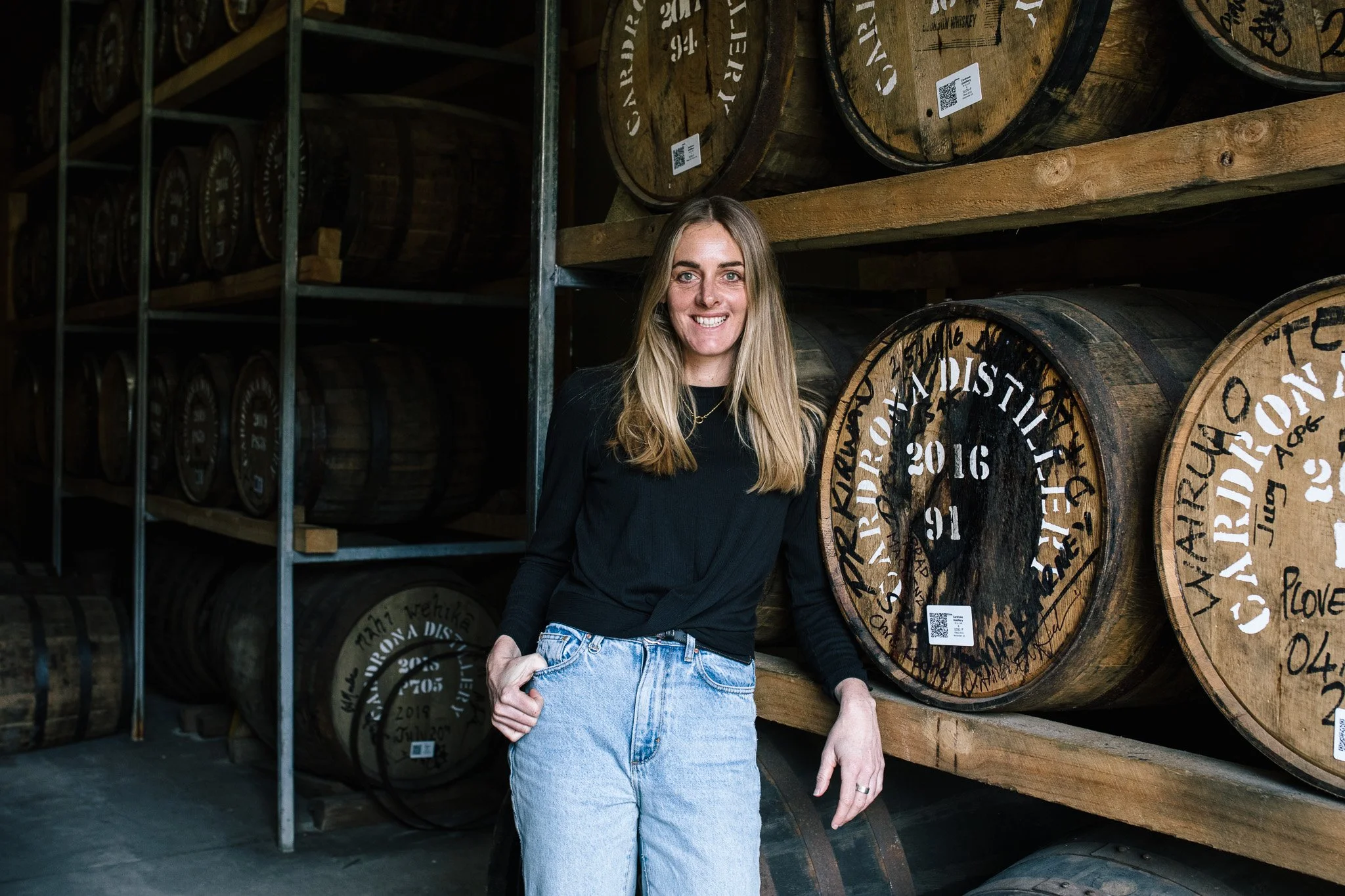
Sarah Elsom is Cardrona’s master distiller
It’s a fascinating way to understand how a single malt is put together. Producers can sometimes use exceptional casks to carry less impressive ones, but here each component is so good that I wish it were already on sale. Somehow The Falcon improves on them, with more depth and balance than any one cask alone. In this case, the whole really does seem greater than the sum of its parts.
As the first dishes arrive, including seared A5 Japanese Wagyu beef with chilli miso on little tar-tar chips, Elsom begins explaining how Cardrona grew from founder Desiree Reid’s ambition to make great New Zealand whisky into a distillery now backed by one of Asia’s biggest drinks groups.
New Zealand whisky has been attracting attention for some time. Thomson, near Auckland, has become known for its mānuka-smoked single malt, while Scapegrace, Waiheke and Pōkeno are among a growing group of distilleries building the country’s reputation. There is enormous variation in conditions from north to south, too: warmer, more humid regions contrast with Central Otago’s dry mountain valleys, where the hot summers and freezing winters give casks a very different environment in which to mature. That makes comparisons with Scotland rather misleading, especially when people assume every New Zealand whisky must be developing under much the same conditions.
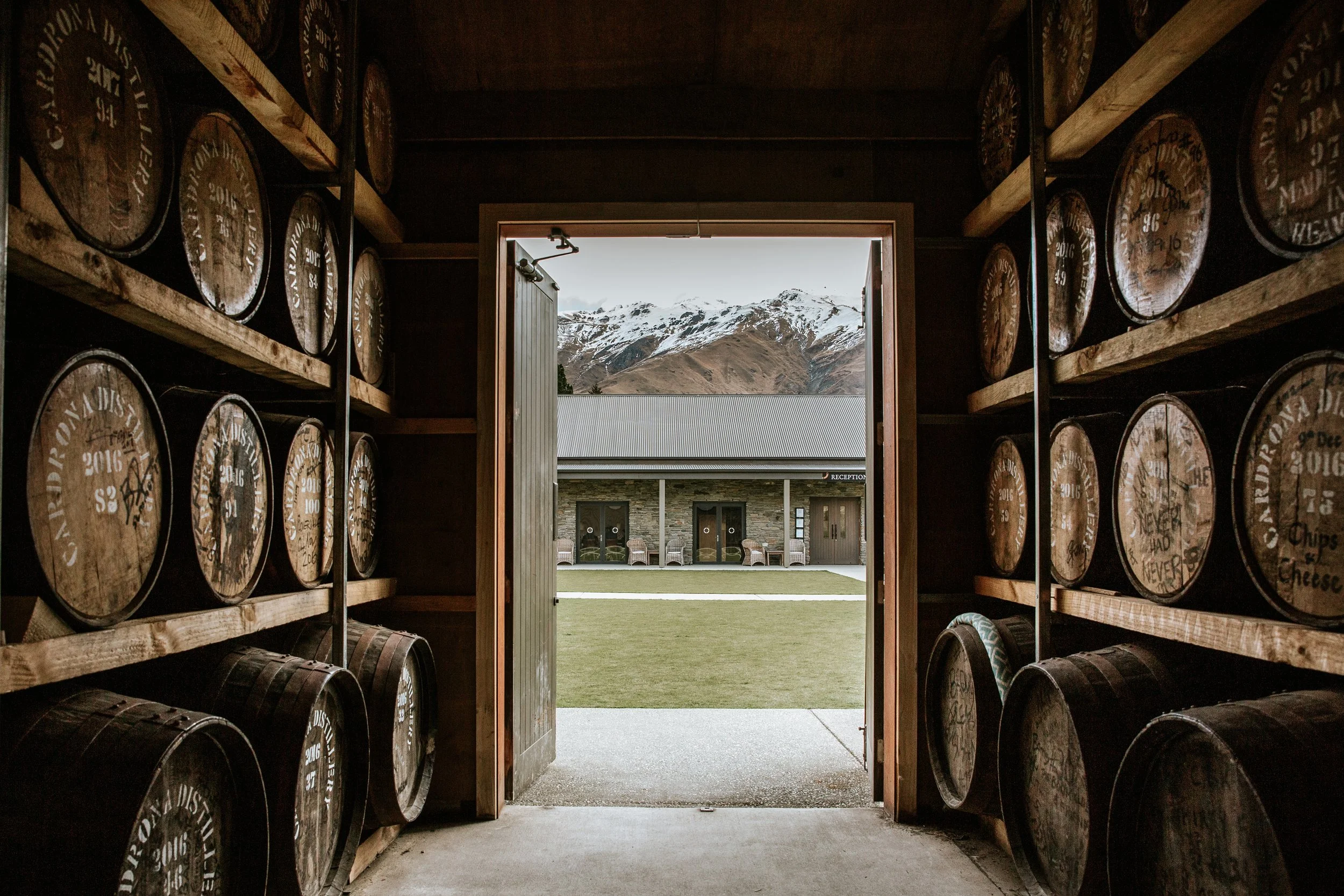
Cardrona lies around 530 metres above sea level in the Crown Range, not far from Queenstown. Reid founded it in 2015 after years spent learning about whisky production, and the first casks were filled that October. She had intended to wait ten years before releasing anything, but the spirit developed well enough for a series of releases that charted its progress: Just Hatched at three years, Growing Wings at five and Full Flight at seven.
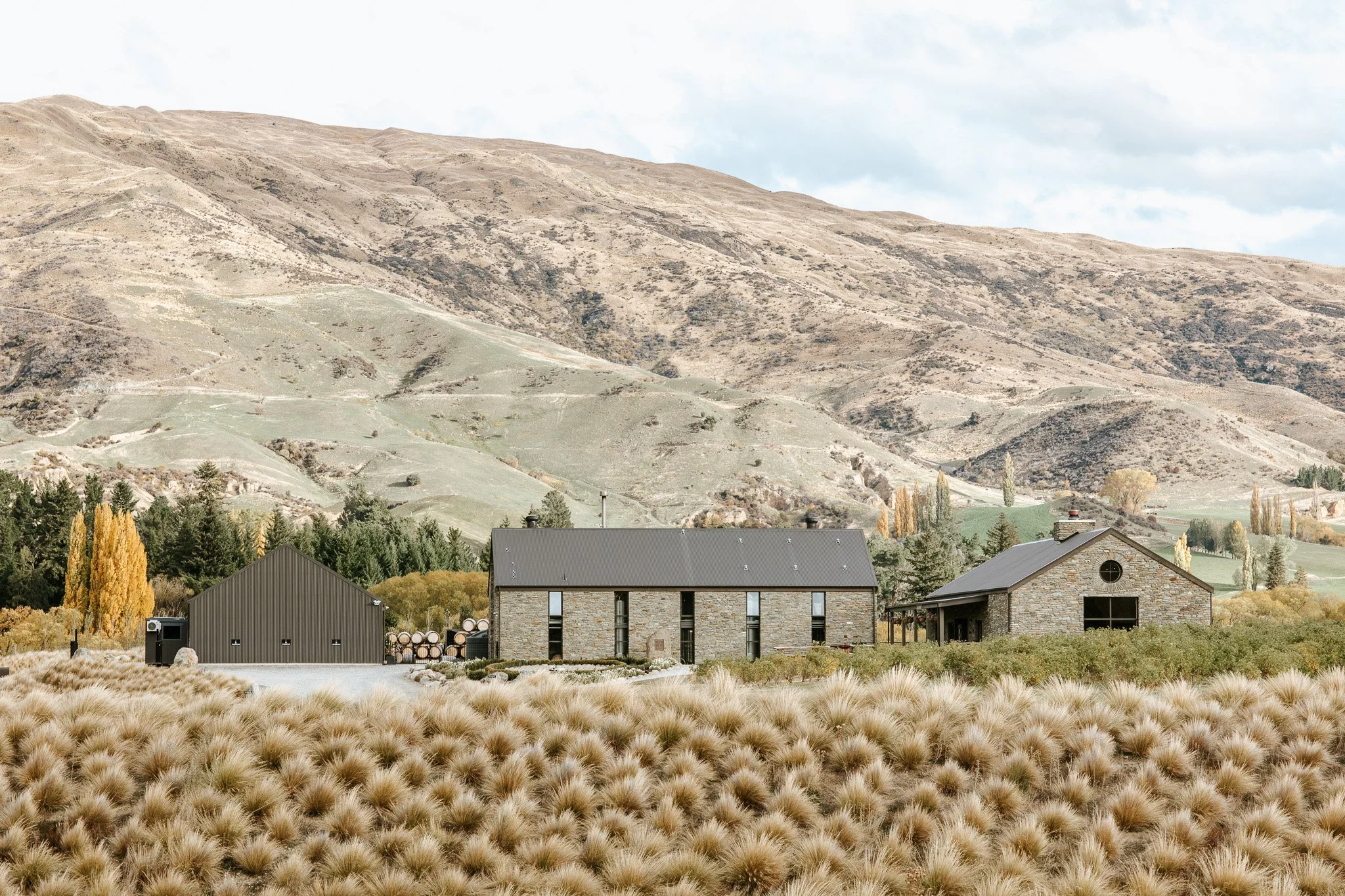
Cardrona lies around 530 metres above sea level in the southern mountains
Elsom joined when the distillery was still a building site, arriving from a career in winemaking that had taken her between hemispheres for successive harvests. The science of fermentation was familiar, but whisky’s timescale appealed to her. She liked the thought of building something over time rather than starting again with each vintage.
“The work that you do isn’t complete in a year,” she explained.
Coming from wine, she had been used to thinking about fruit, soil and the conditions of a particular growing season. In whisky, the barley still counts, but so do the flavours created during fermentation and the slow transformation in wood. It is a different way of approaching much of the same science, and the Pinot noir casks she has chosen for Cardrona show how useful her previous life has been.
At Cardrona, malted barley, water and yeast are transformed through double distillation in two Scottish-made Forsyths copper stills, Roaring Meg and Gentle Annie. In the early days even sourcing suitable malt was tricky. New Zealand grew plenty of barley, but demand for specialist distilling malt was too small, so Cardrona initially imported it. As more distilleries opened, local supply developed, and Cardrona now uses barley grown on the Canterbury Plains.
Our first whisky is an eight-year-old ex-bourbon single cask, bottled at 52% ABV. It is wonderfully fragrant, almost perfumed, with green apples, honey, orange and delicate floral notes. For all its strength, it’s light and fresh, without the overbearing oak that can sometimes dominate relatively young single malts.
Elsom points to the climate back home, explaining that the dryness and the extraordinary changes in temperature are part of the reason they have been able to release whiskies this young with so much flavour. Cardrona’s valley can fall below minus 10C in winter and climb above 30C in summer, and the shift between day and night can be just as striking.
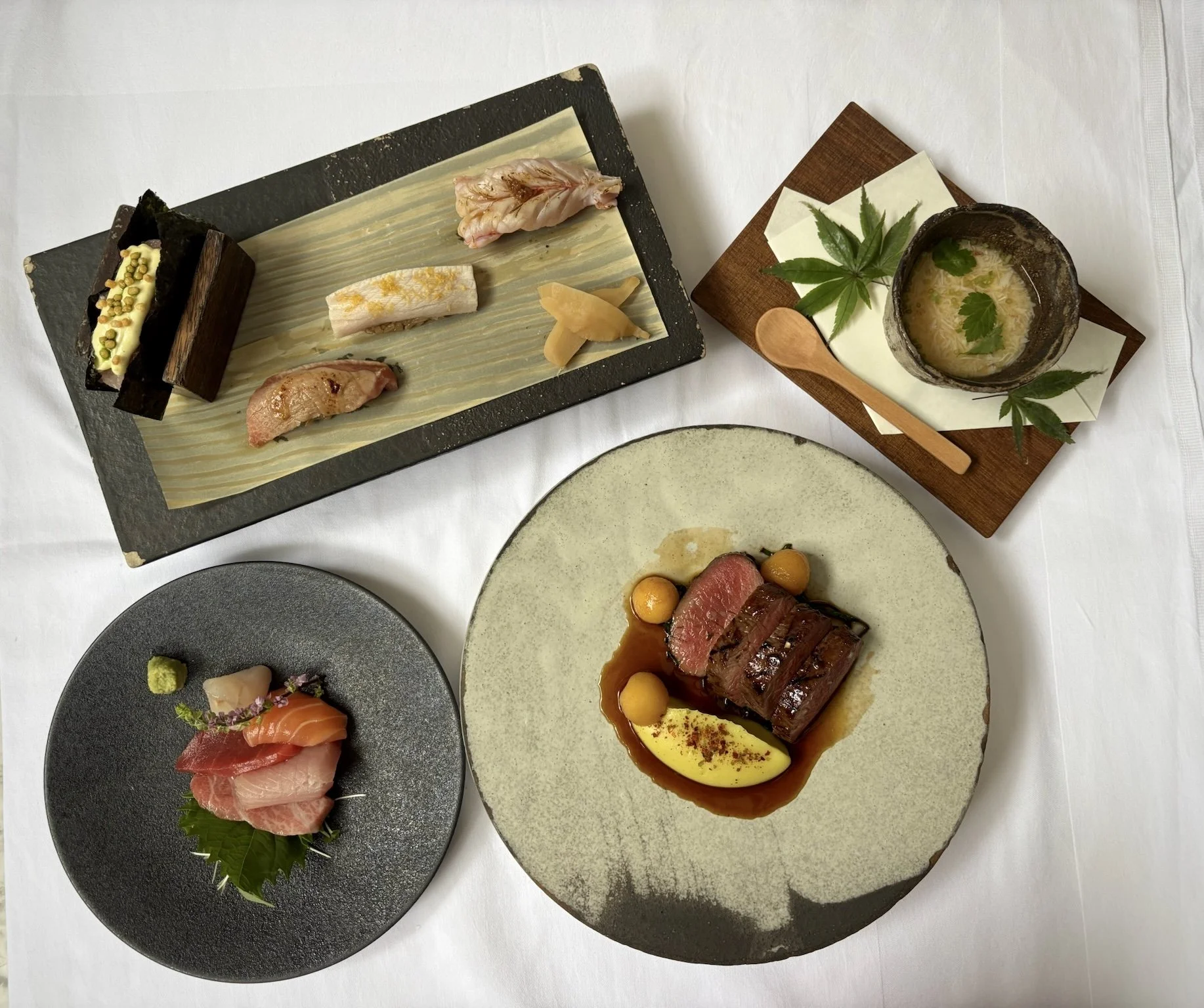
The Japanese cuisine at Dinnings SW3 paired remarkably well
“The swing between day and night temperatures is huge,” she said.
Those fluctuations encourage the whisky to interact with its cask, although the result also owes plenty to the underlying spirit and the choice of wood. Across the evening, the different barrels reveal quite how much range Cardrona has without losing that freshness.
Steamed mini burger buns arrive, filled with potted native blue lobster from Cornwall, lobster emulsion and pickled shallots, as we turn to a whisky matured entirely in Pinot noir casks from Felton Road, one of Central Otago’s best-known wineries. It’s a particularly good fit for Elsom, whose winemaking experience helps her work directly with the winery to source French oak barrels soon after they’ve been emptied.
After four or five years holding wine, these casks contribute less oak flavour to the next vintage, but still have plenty to give a whisky. Cardrona doesn’t use them for a short finish: new-make spirit goes straight into the barrels for its entire maturation. And the proximity helps too, as Elsom arranges to collect them straight from the winery, when the barrels are still wet and able to carry the character of the Pinot noir they once held.
The result is quite delicious, with banana, tropical fruit and a touch of red fruit, but little of the heavy tannin or drying oak sometimes associated with wine-cask whiskies. It’s beautifully balanced, and remarkably easy to drink at its relatively high strength.
Our third whisky, an eight-year-old Oloroso sherry single cask, is drier and more restrained than many sherried whiskies, with gentle spice and warmth instead of the heavy sweetness that can sometimes overwhelm the spirit. By now, the kitchen is serving sushi omakase, including salmon, yellowtail, sea bass and two types of tuna, while Elsom talks through how the different casks work together. The dishes keep arriving in small portions, giving the evening a pleasant rhythm: a few bites, a little more conversation, then another dram.
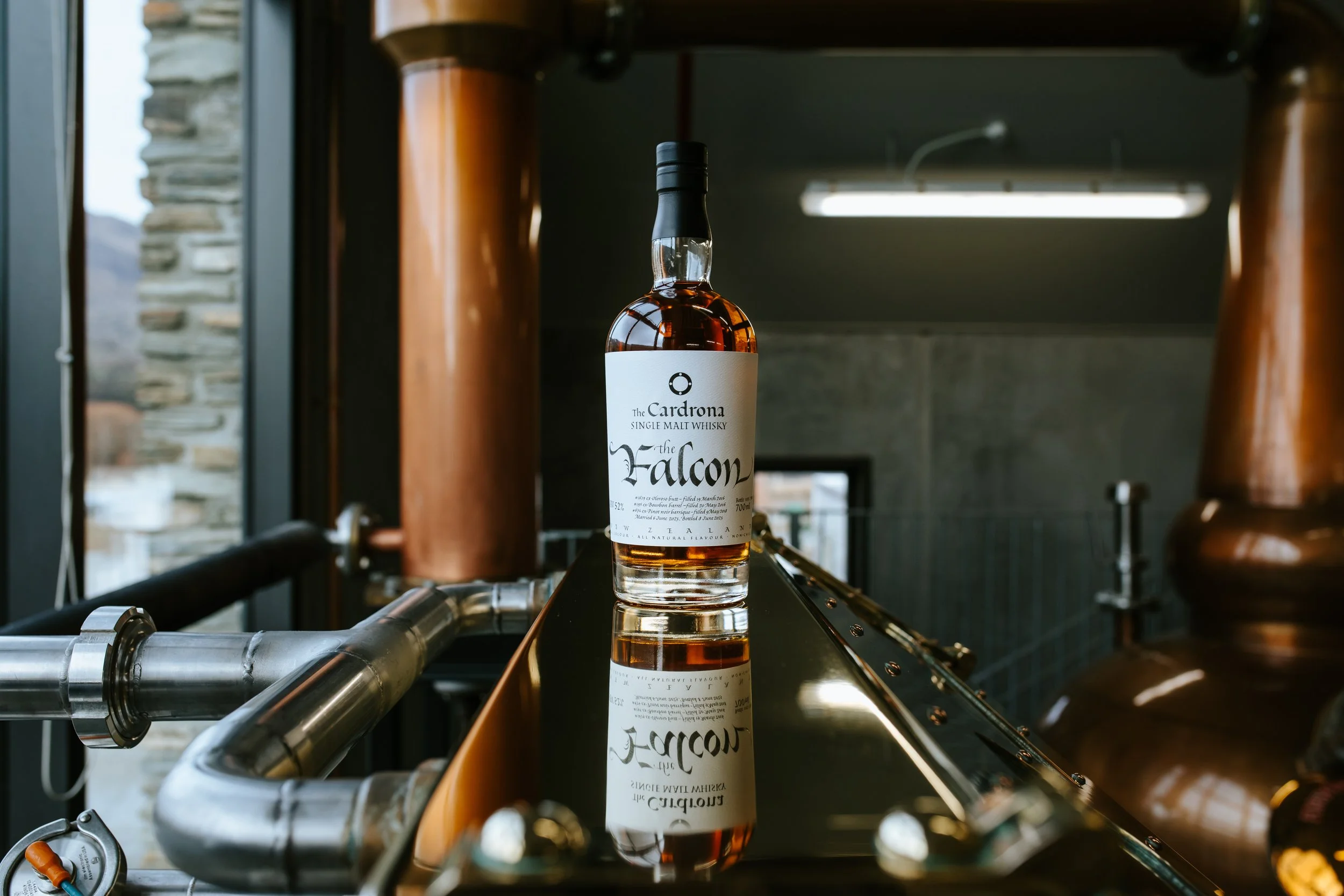
The Falcon, and the sum of its parts
The Falcon’s recipe is built around roughly two parts bourbon-cask-matured whisky to one part each of Pinot noir and Oloroso sherry-cask whisky. Bottled at 52% ABV, it has a little more weight than the three individual expressions, with fruit, vanilla, toffee and spice unfolding gradually in the glass, while retaining the bright, elegant character that has run through the tasting.
At £158, it’s expensive, particularly when older Scotch single malts can be had for considerably less. There is an understandable temptation to compare the ages on the labels, but I would happily put The Falcon alongside far older and pricier whiskies. Its freshness, flavour and restraint are impressive, and there is enough pleasure in the glass to justify the price. It won’t be an everyday purchase for many people, and nor should a premium price be excused simply because a distillery is small or far away, but the quality here is exceptional.
Cardrona’s ability to reach more drinkers has changed since 2023, when it was acquired by International Beverage, the spirits business of Thailand’s ThaiBev group, which also owns Scotch names including Old Pulteney, Balblair and Speyburn. Production has grown from roughly one cask a day before the takeover to two or three, using capacity already built into the distillery.
Elsom is keen not to lose the character they have spent ten years developing. “We were never going to be a distillery that did something different every week,” she said. “I think it’s really important to own your place and know what you can produce.”
Reid has since moved into a global sales role with International Beverage, while Elsom oversees Cardrona’s production. Bigger backing should help put its whisky in front of a wider audience, though the bottles on our table make a compelling argument for keeping the distilling approach much as it is.
Towards the end of dinner Elsom brings out one more eight-year-old single cask, this time matured in Pedro Ximénez sherry wood and saved especially for the evening. Rich with raisin, warmth and an almost rum-like sweetness, it might be my favourite individual cask of the night, although this particular bottle isn’t for sale. We also try The Reid, Cardrona’s single malt vodka, which has unexpected pear, banana and tropical fruit notes, almost like fruit sweets, and is far more characterful than most vodka I’ve encountered.
Cardrona has spent its first decade working out what it wants its whisky to taste like. “No one’s throwing the rule book out, but this is the time in our industry to try things,” Elsom said.
With The Falcon on UK shelves, the three core single casks due to follow in the new year and a much bigger business behind it, the next task is getting more people to try it. On the evidence of dinner at Dinings, they have something worth discovering.