The luxury of time at House of Hazelwood
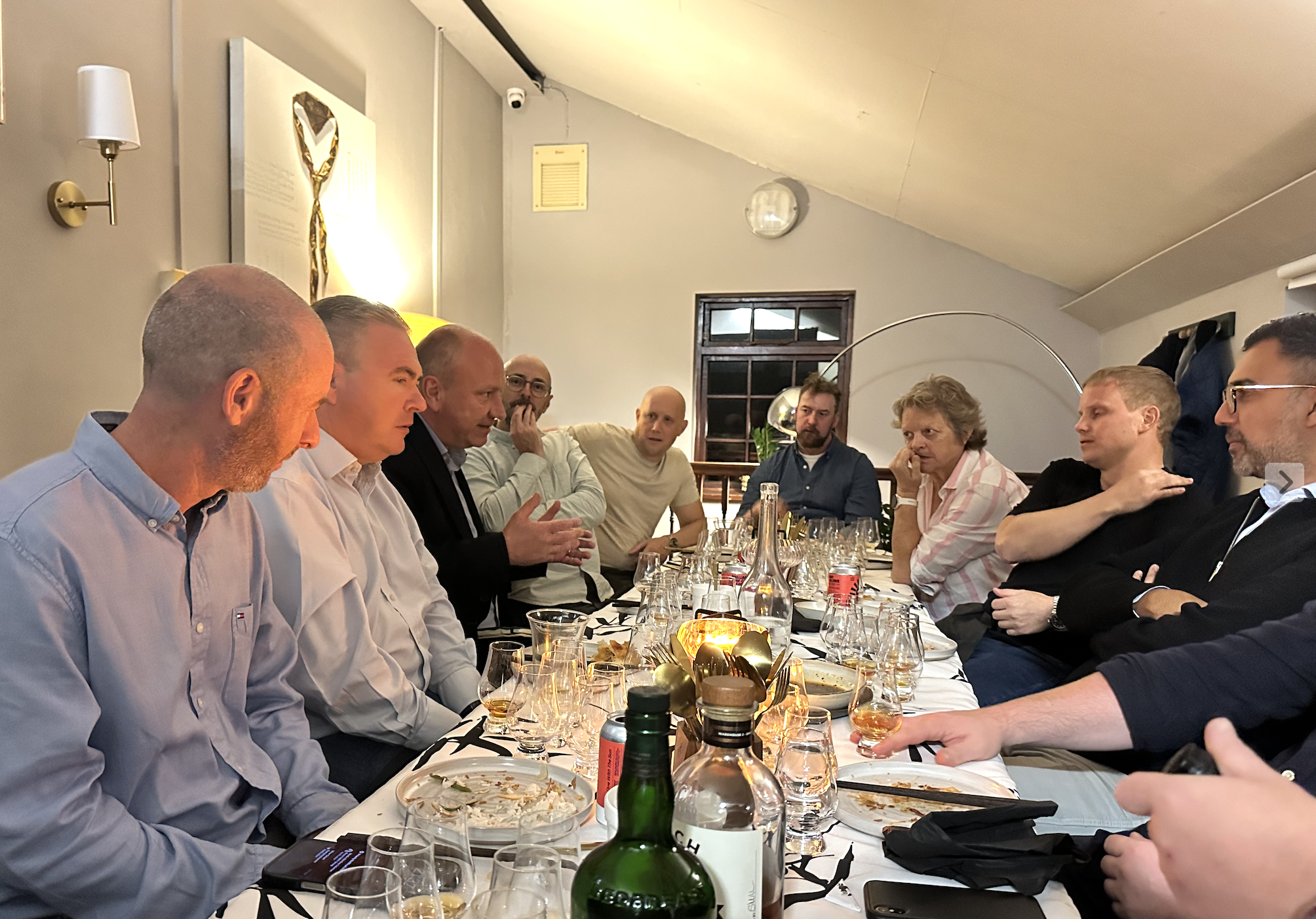
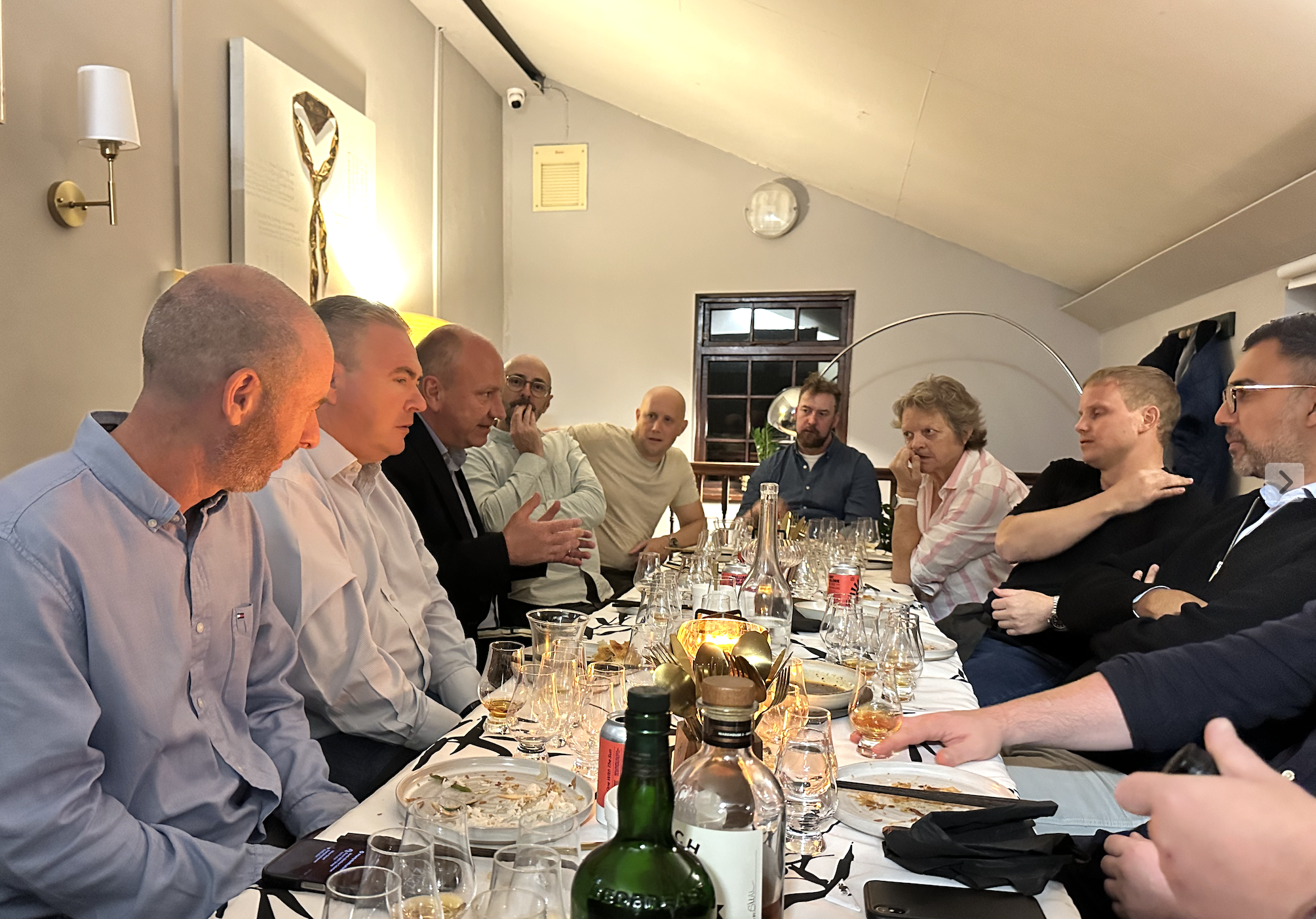
Phil Keene at the recent Barley whisky dinner
Four years after opening up the Gordon family’s remarkable private whisky collection, House of Hazelwood has made a name for itself with extraordinarily old blends and grain whiskies. At last month’s Barley whisky dinner, director Phil Keene joined Tom Pattinson for a tasting to discover what decades in the cask can really deliver
For most whisky producers, releasing a 50-year-old expression is something of an occasion. There will be an elaborate dinner, perhaps a finely crafted bespoke bottle, and almost certainly a price tag that makes you wince. At House of Hazelwood, however, whiskies of this age are simply part of the collection, sitting alongside 33, 40 and even 60-year-old releases with an almost casual disregard for how extraordinary that sounds.
“A 30 year old is probably the youngest whisky I get to try,” says Phil Keene, the industry veteran who has worked across Diageo, Whyte & Mackay and Compass Box before being asked to launch House of Hazelwood in 2022.
House of Hazelwood draws exclusively from the private whisky stocks of the Gordon family, owners of William Grant & Sons, the company behind Glenfiddich, The Balvenie and Girvan. For almost a century, successive generations have been setting aside casks for private enjoyment and future generations, building what the company describes as the world’s largest collection of aged Scotch whisky.
Keene tells the assembled dinner guests at Barley magazine’s latest whisky dinner about the history of the Grant Gordon family and it’s subsequent luxury brand as he pours the first dram. The collection takes its name from Hazelwood House, the family’s home in Dufftown, and much of its character comes from two brothers, Charles Grant Gordon and Sandy Grant Gordon. Charles was the adventurous one, determined to push the business forward, while Sandy provided a more measured, financially disciplined counterweight. Their partnership helped transform the family business into one of Scotch whisky’s most successful independent companies.
Today, that vast inventory is being steadily opened up to the public, and Phil Keene has been involved since the beginning.
Keene is an entertaining guide through whisky history, with an infectious enthusiasm for the subject. Over a tasting of five releases, he takes the table through the family’s collection, explaining how decisions made decades ago have produced whiskies that would be virtually impossible to recreate today. Of course, the prices are hardly casual. Bottles range from around £1,000 to several thousand pounds, with some considerably higher. But there is something refreshing about a whisky house where age is the starting point of the conversation rather than the selling point.
One of the most interesting aspects of House of Hazelwood is its enthusiasm for grain whisky.
While single malt has become the glamour category of Scotch, grain has traditionally been the workhorse, providing much of the spirit that goes into blended whisky. Keene says if whisky was a painting then “grain is the canvas and malt is the colour,” although the whiskies in front of us suggest that grain can be a remarkably accomplished performer in its own right.
The family’s relationship with grain whisky goes back to 1963, when Charles Gordon built the Girvan grain distillery in Ayrshire, an enormous undertaking that helped secure the company’s independence from rival suppliers. Some of its earliest stocks have since become among the collection’s most historically significant releases.

The first example is The Accelerator & The Brake, a 33-year-old blended Scotch created in collaboration with whisky writer Dave Broom. Named after Charles Gordon (the accelerator) and Sandy Gordon (the brake), it turns conventional blending proportions on their head by allowing an assertive grain whisky to take the lead, with malt providing the supporting role.
Bottled at 55.7% ABV, just 209 bottles were produced, priced at £1,700 each. The result is wonderfully rich, with dark chocolate, spice and a long, evolving finish. It is a whisky that rewards taking your time.
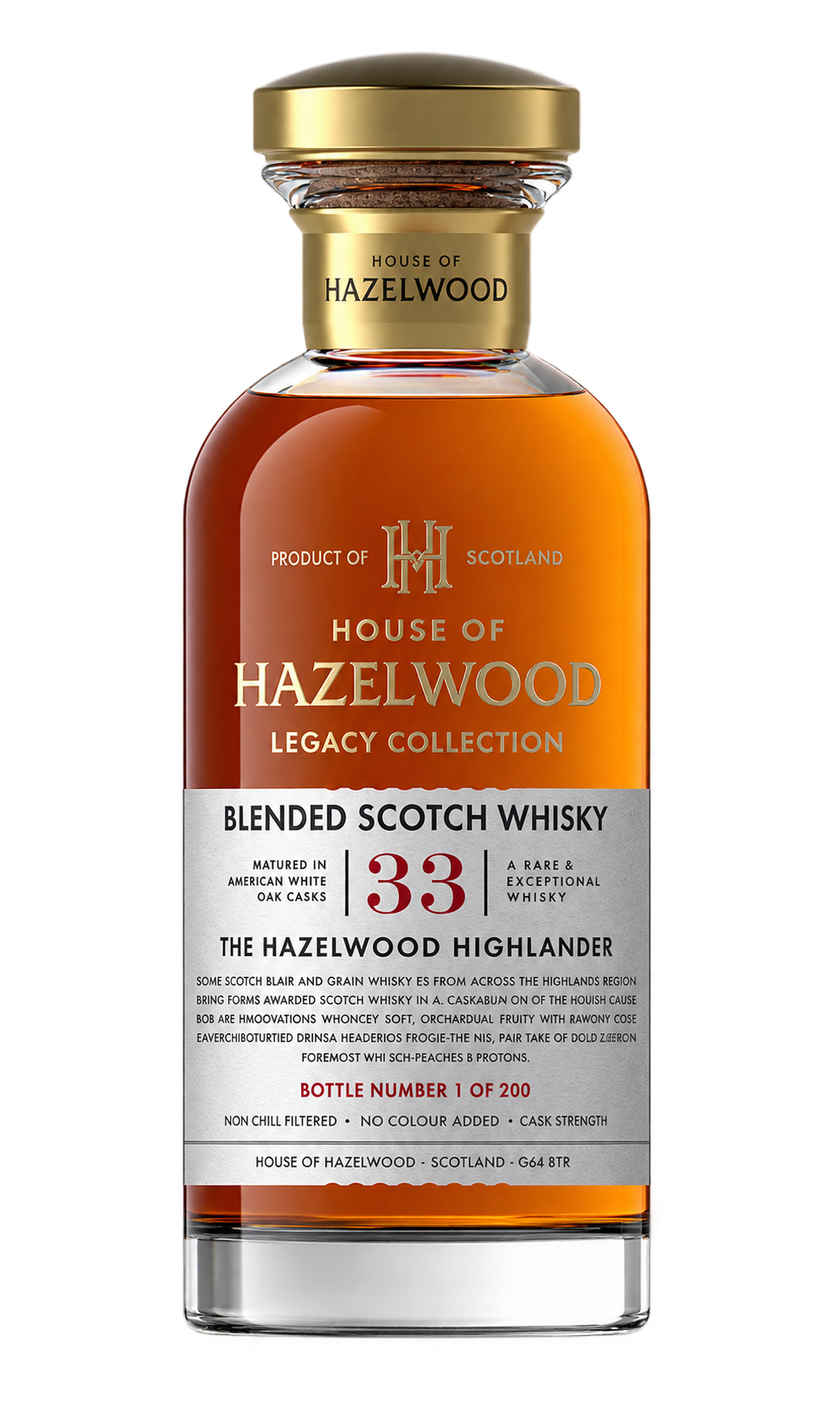
Next comes The Hazelwood Highlander, a 33-year-old blended Scotch that brings together Highland malt and grain whiskies. At £1,200, it is among the more accessible releases in the collection, relatively speaking.
There is an extraordinary freshness to it, with blossom, heather and a light floral character that evokes the Cairngorms in summer. Beneath that delicacy comes a deeper liquorice sweetness. It is an elegant demonstration of just how much character can remain in a whisky after three decades in wood.
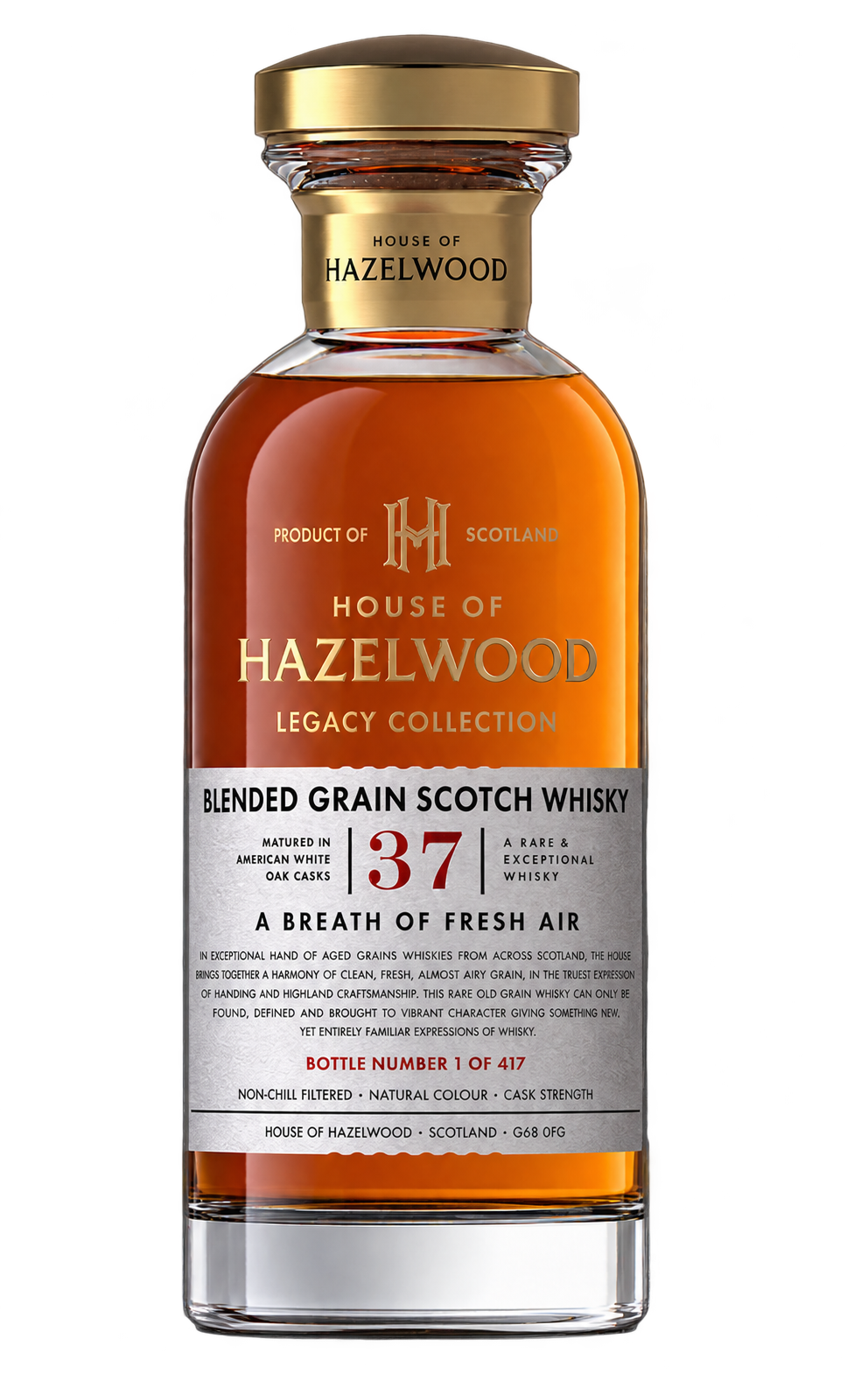
A Breath of Fresh Air, a 37-year-old blended grain bottled at 46.4% ABV, makes another persuasive argument for the category. Just 417 bottles were produced, priced at £1,450 each, with the whisky drawn from aged grain stocks across Scotland and matured in American white oak casks.
Despite its considerable age, it is strikingly fresh, with a gentle oiliness, menthol and a clean, almost grassy character. There are also hints of spearmint and citrus, with a slightly drying finish. After several minutes in the glass, a distinct chocolate-and-mint character emerges, like an After Eight. There is none of the excessive woodiness that can overwhelm very old whisky, making this a surprisingly lively dram.
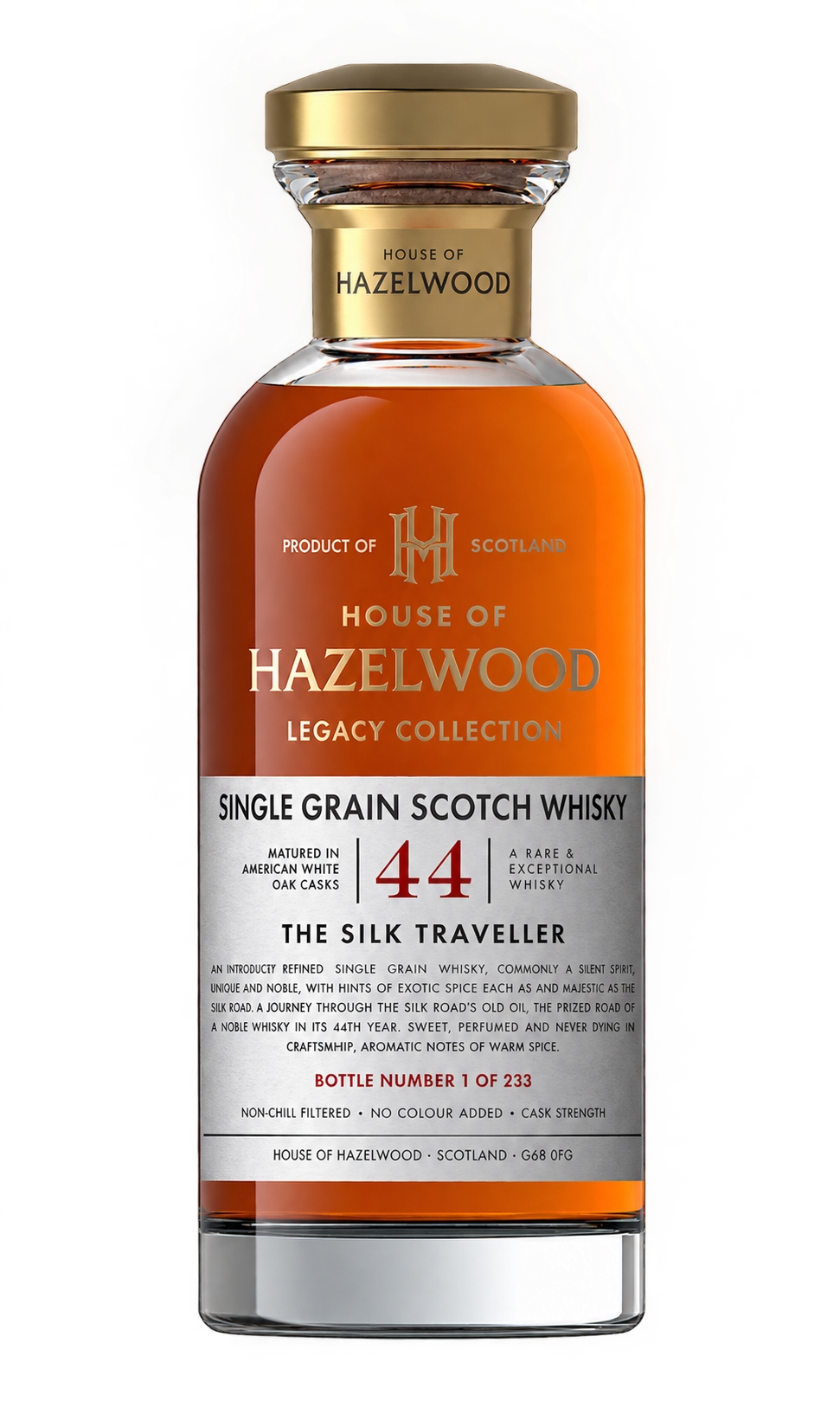
The 44-year-old Silk Traveller takes us somewhere entirely different. This single grain, bottled at 47.6% ABV, is limited to just 212 bottles, priced at £1,500 each. Matured in American white oak, it is one of the oldest expressions in the tasting and another demonstration of what grain whisky can achieve.
Named after a traveller on the ancient Silk Road, it conjures up a Middle Eastern souk, with aromas of dried apricots, warm spice and hot sand. There are also hints of aniseed, dried herbs and liquorice, with a wonderfully silky texture and a lingering warmth. Its fragrant character is remarkably different from the Highlander, despite both having spent decades in cask.

We finish with Queen of the Hebrides, a 36-year-old Islay blended malt bottled at 43.4% ABV. Priced at £2,000, with just 274 bottles produced, it draws on rare Islay malt stocks from the family's collection, matured for more than three decades in American oak casks.
It brings a rather more aggressive character to the table, with smokey bacon crisps, TCP and medicinal peat arriving first, followed by saline minerality and orange peel. There is a lovely savoury depth beneath the smoke, with a long, lingering finish. After the lighter grain whiskies, it is a reminder of just how broad the collection really is.
Four years after launch, House of Hazelwood has moved well beyond its inaugural releases. Its first collection sold out rapidly, subsequent releases have reached international markets, and in 2025 it announced its most ambitious undertaking yet, One for the Next.
The project began with just 25 bottles of 60-year-old Girvan single grain, priced at £10,000 each, with the remaining whisky intended to continue maturing for further releases at 70, 80, 90 and ultimately 100 years old in 2065. There are obvious risks in such a plan, given the uncertainties of long-term maturation, but it demonstrates the extraordinary timescales on which the family is prepared to operate.
While there is certainly some luxury theatre around its rarest bottlings, the tasting with Keene suggests that House of Hazelwood’s real strength lies elsewhere. Its collection allows old grain whisky, unusual blends and forgotten styles of Scotch to receive the same respect usually afforded to famous single malts.
After tasting five whiskies aged between 33 and 44 years, what stays with me is the variety. There are floral Highlands, minty grain whiskies, fragrant spices and medicinal Islay smoke, each offering something entirely different.
Perhaps that is House of Hazelwood’s most convincing achievement so far. When almost every whisky on the table is older than 30 years, the number on the label gradually becomes less interesting than what is actually in the glass.
House of Hazelwood editions are available from their website