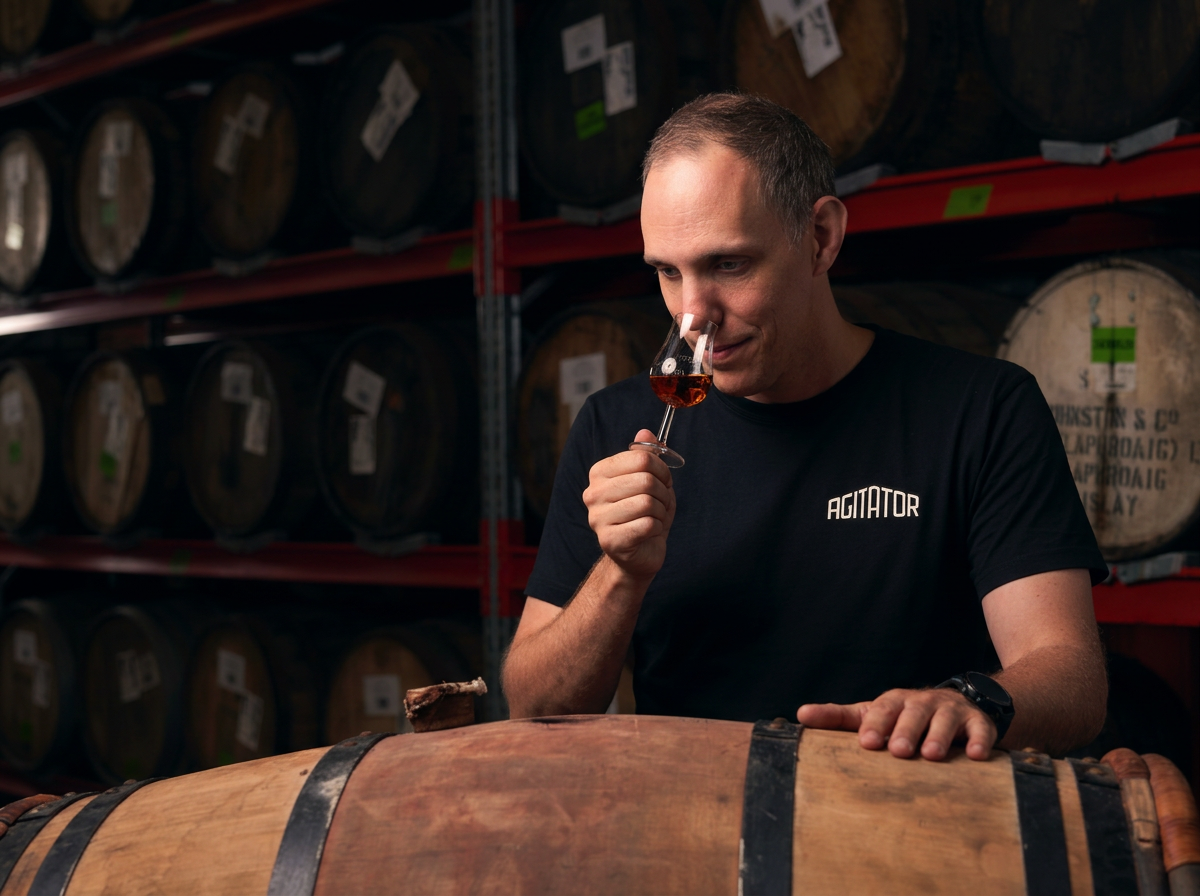
Agitator’s Master distiller Oskar Bruno samples a chestnut cask
Midleton Very Rare, Retribution and Sweden’s Agitator are among a growing number of distilleries experimenting with chestnut casks. But with higher evaporation losses, powerful tannins and unpredictable maturation, is the wood worth the trouble, or is this another whisky gimmick asks Tom Pattinson
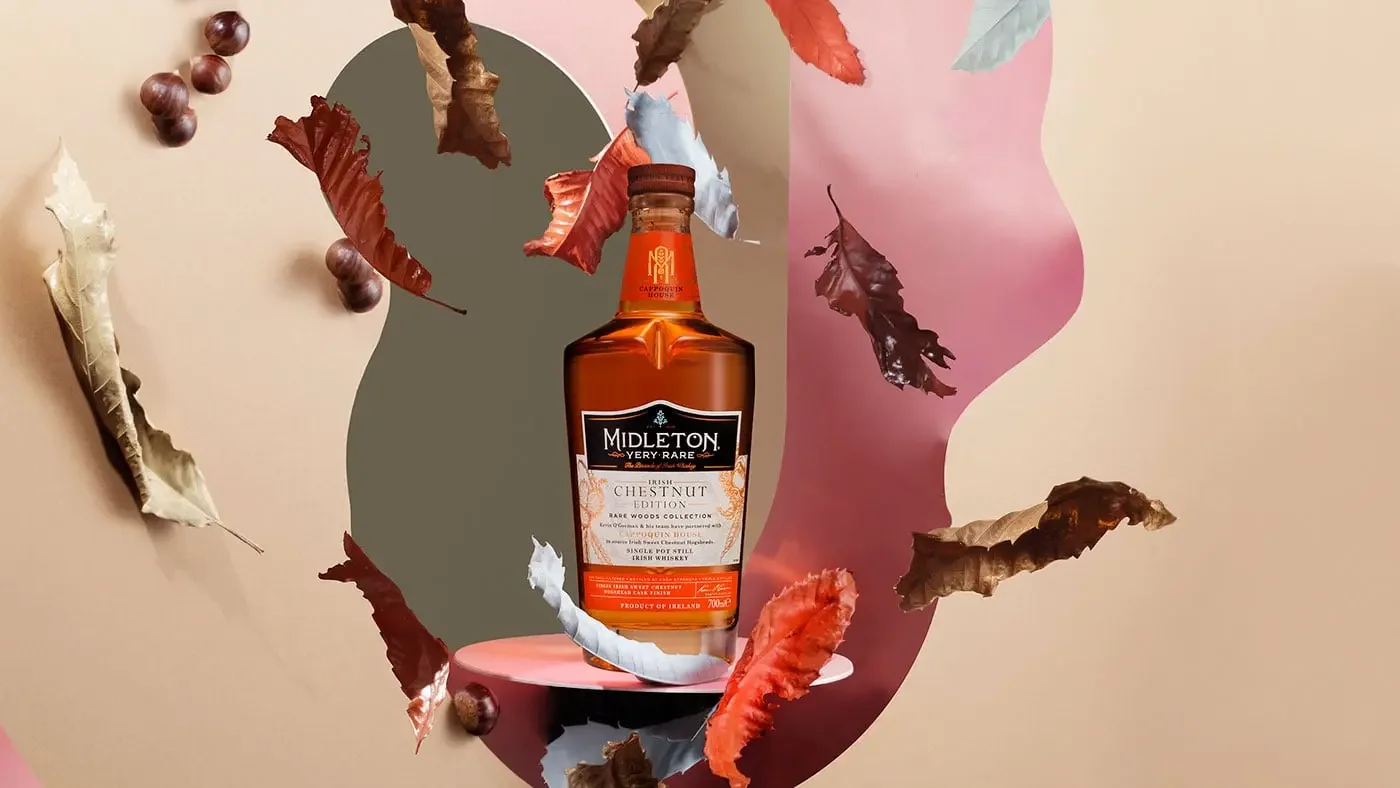
Chestnut has never been the obvious choice for maturing whisky, but three rather different distilleries are making an interesting case for it. In October, Irish whiskey giant Midleton Very Rare unveiled a £382 whiskey finished in casks made from Irish-grown sweet chestnut, describing it as a “world-first innovation”. Just weeks earlier, Somerset’s Retribution Distilling had released its own chestnut-cask single malt for £69, while Sweden’s Agitator has gone a step further, making chestnut a permanent part of its range since 2024, with bottles available for around £45. So what’s the attraction of a wood that whisky makers have largely ignored in favour of oak for so long?
Whisky is made from three ingredients: grain, water and yeast. But it’s a rather more complicated beast than that. Distillers frequently claim that as much as 60% of a whisky’s flavour comes from maturation, although nobody can put an exact figure on it. What happens inside the barrel, and what that barrel held previously, can transform a spirit beyond recognition. And for centuries that barrel has almost invariably been made from oak.
There are good reasons for this. Oak is strong, pliable enough to make into casks, relatively resistant to leaking and available through an established global supply chain. American oak tends to produce sweeter vanilla notes, European oak can be spicier, while Japanese mizunara is prized for its distinctive incense-like aromas.
For Scotch whisky, maturation must take place in oak casks, while American whiskey is also generally restricted to oak, with bourbon specifically requiring new, charred barrels. Elsewhere, however, distillers have considerably more freedom. The recently approved English Whisky geographical indication, which came into force this summer, explicitly permits maturation in woods other than oak, recognising a freedom already enjoyed by producers in England, Ireland, Sweden and many other whisky-producing countries.
Midelton Very Rare’s chestnut cask release is priced at £382
Chestnut has a history in European wine and brandy cooperage, but it’s generally less dense and more porous than oak, making casks harder to keep watertight and leading to higher evaporation losses, known rather romantically as the angels’ share. Its high tannin content can also impart colour and flavour remarkably quickly, sometimes leaving the spirit so woody and astringent that the results are more punishment than pleasure.
The challenge is understanding how to control that influence. Should chestnut be used for the entire maturation, or is a short finish sufficient? Would a previously used cask produce better results than virgin wood, and how long can the spirit remain inside before those interesting flavours become rather less appealing?
Midleton’s new Irish Chestnut Edition is the first whiskey finished in casks made from Irish-grown sweet chestnut, although the distillery has been experimenting with French and Japanese chestnut through its Method and Madness range since 2017.
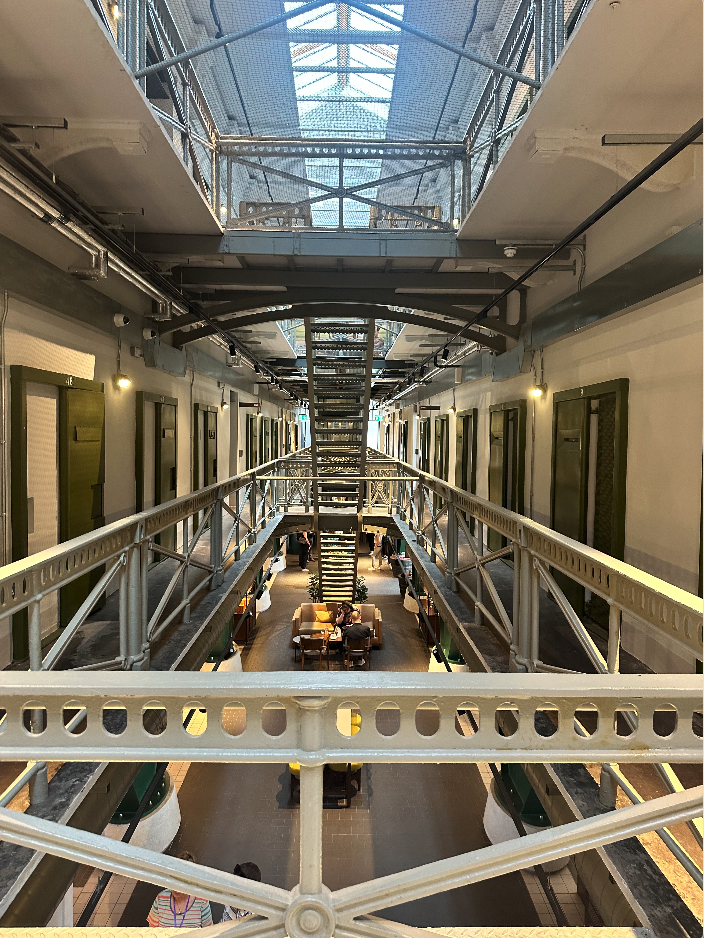
For this release, six trees from County Waterford’s Cappoquin Estate were transformed into 41 lightly toasted hogsheads. Single pot still whiskeys, already matured for between 12 and 19 years in bourbon barrels, then spent another five years in chestnut, bringing their age range to 17 to 24 years.
Eric Ryan, maturation and innovation specialist at Midleton, tells Barley that chestnut brings intense sweetness, spice, dried fruit and herbal characteristics alongside a more structured mouthfeel.
“Its tannins leave a grippy, sweet-spice sensation on the palate, which I find so enjoyable and intriguing.”
Managing those tannins was a considerable challenge, and Ryan explains that the preparation began long before the whiskey entered the casks.
“Careful air seasoning of the wood was critical, with an extended process that included regularly spraying the staves with water to help reduce and soften tannins before the casks were filled.”
In other words, Midleton had spent considerable time trying to take some of the fight out of the chestnut before a drop of whiskey touched it. It’s an interesting contrast with Retribution, which filled small virgin chestnut octaves with new-make spirit and discovered just how quickly the wood could take over. Cask size and the maturity of the spirit also played a part, but the experiences show how important managing the wood can be.
Even with Midleton’s preparation, the early years produced considerable tannic intensity, although something changed as maturation continued.

Midleton Very Rare’s Eric Ryan in County Waterford’s Cappoquin Estate where the chestnut was harvested
“While there were points along the journey when the balance was still developing, continued maturation brought a remarkable change in the fifth year,” Ryan says. “The wood and pot still distillate became more integrated, resulting in greater complexity and a more rounded expression of the chestnut character, with the tannic astringency evolving into an extraordinary spicy-sweet finish.”
The problem with waiting five years for troublesome wood to behave itself is that a rather large proportion of the whiskey can disappear in the meantime.
“Over the five-year finishing period, we lost approximately 29% to the angel’s share, significantly more than the 12-14% we would typically expect from oak casks over a similar timeframe.”
That certainly helps explain some of the £380 price tag, particularly when Midleton’s annual Very Rare vintage costs around £220.
Unfortunately, I didn’t get a bottle of the new release to include it in our tasting, and am not paid enough to spend the best part of £400 for this article, so I’ve deferred to my colleague in booze, Adam O’Connell, who attended the launch for Master of Malt. He described what he initially found to be “a slightly overwhelming hit of aromatic, tannic spice”, which developed into more complex flavours of chilli oil, cola cubes, gingerbread and clove. He ultimately came away impressed, although it sounds like a whiskey that asks you to meet it halfway.
Back in the English countryside, Richard Lock, founder of Somerset’s Retribution Distilling, had an altogether less elaborate introduction to chestnut maturation.
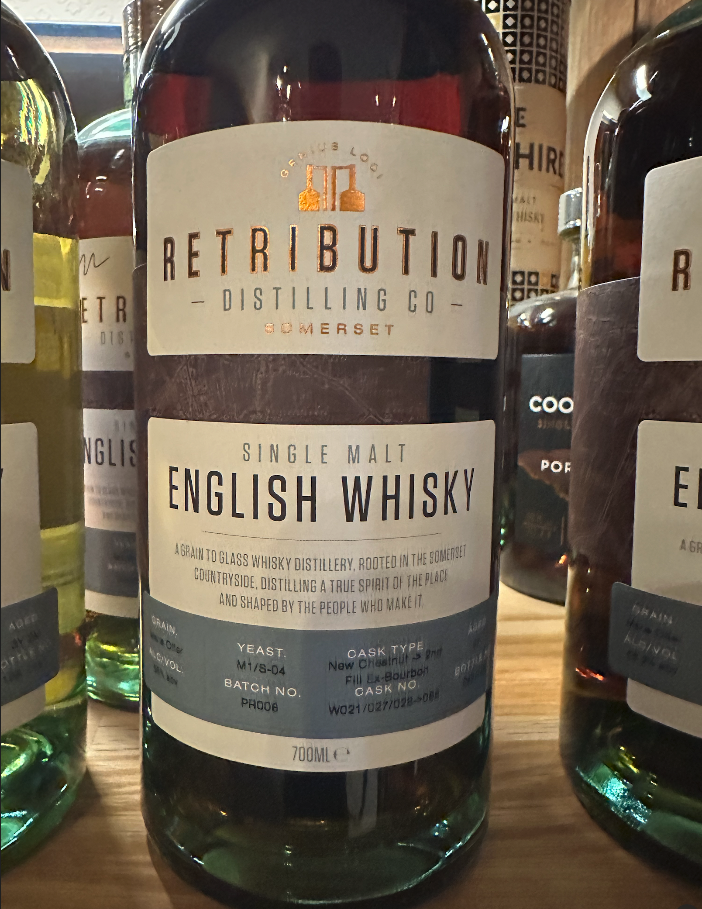
Retribution’s ‘whisky drinker’s whisky’ chestnut cask
“I was just offered the casks and thought, ‘let’s give it a go’,” Lock tells Barley.
He filled three small virgin chestnut octaves with new-make spirit, without any particular expectations, and was astonished at how quickly the whisky developed.
“At eight months, the aged new make was amazing,” he recalls, but five months later the spirit had become “very astringent”. Lock feared he had overdone it and transferred the whisky into a second-fill ex-bourbon quarter cask for another 23 months, hoping to restore some sweetness and balance.
The resulting three-year-old single malt, bottled at 52% ABV, was released in September, limited to just 170 bottles. At under £70, I was happy to splash out on one in the name of research.
Lock has since refilled his original chestnut casks, hoping their second use will be more forgiving and potentially allow the spirit to spend its entire three-year maturation in the wood.
“I have a feeling it may need a little time in oak again to round it out,” he admits, while considering ordering more casks, including larger hogsheads.
Sweden’s Agitator, meanwhile, has gone considerably further, making chestnut a permanent part of its production rather than restricting it to occasional experimental releases.
After three limited editions, the distillery introduced Chestnut Cask to its core range in 2024. Master distiller Oskar Bruno tells Barley that he was attracted by research suggesting chestnut could extract flavour and colour considerably faster than oak.
“In a short period of time, it will bring both a lot of colour to the spirit, as well as intense flavours.”
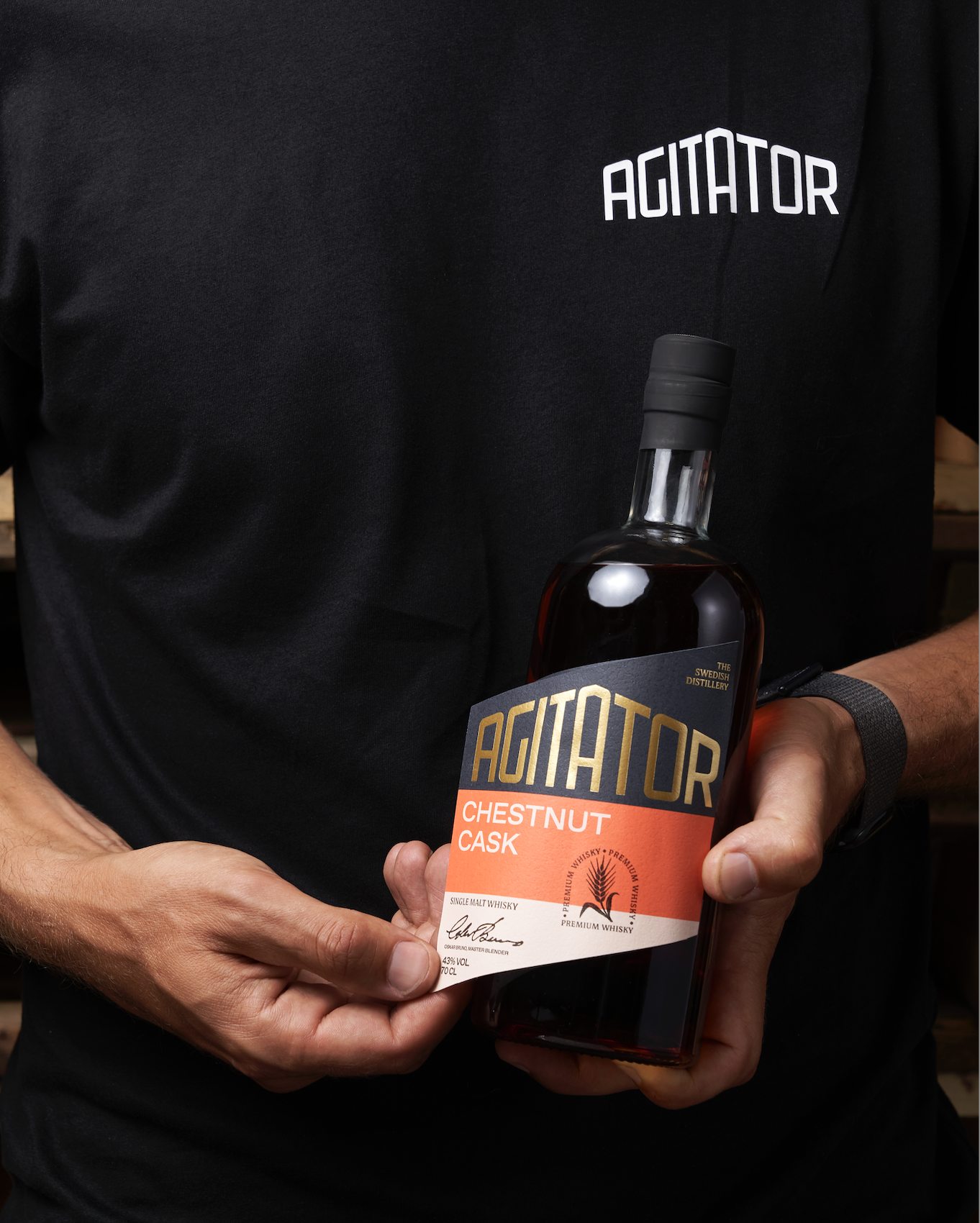
Agitators Chestnut Cask has been a permanent release since 2024
Bruno believes chestnut can deliver intense woody flavours, a sweeter mouthfeel and dried-fruit characteristics reminiscent of old dry sherry casks, although its real strength, he argues, is what happens when it is combined with other woods.
“It’s one of the best blending components in a whisky, since it acts like a binder between a lot of different flavours, almost amplifying those.”
Agitator’s Chestnut Cask uses bourbon maturation for two and a half to three years before transferring spirit into chestnut for a further six to 18 months. Its flagship The Swedish Malt also combines chestnut with bourbon, virgin oak and sherry casks.
“This combination with the chestnut in the end enhances both the virgin oak flavors as well as the sherry notes,” says Bruno.
The distillery has even matured whisky successfully in chestnut for six years, although Bruno admits that higher evaporation losses make extended ageing less attractive. Ryan is more cautious still.
“Chestnut is an interesting development in whiskey maturation, but I don’t see it becoming a serious alternative to oak,” he tells Barley.
With all three distillers having encountered challenges, I took bottles of Retribution and Agitator along to the monthly Barley whisky tasting to see how they compared. Both were well received, although their differences were immediately apparent.
Retribution is strikingly dark, with a wonderfully rich nose of chocolate, roasted nuts and dark fruit. It's chestnuts roasting on an open fire at Christmas, with all the warmth and spice that brings to mind. On the palate, there's dark chocolate, raisins and a rich, sherry-cask warmth, followed by a pronounced woody, tannic grip that softens with time in the glass. It’s a powerful, exciting whisky, with plenty to appeal to lovers of heavily sherried single malts, and a real whisky drinker's dram.
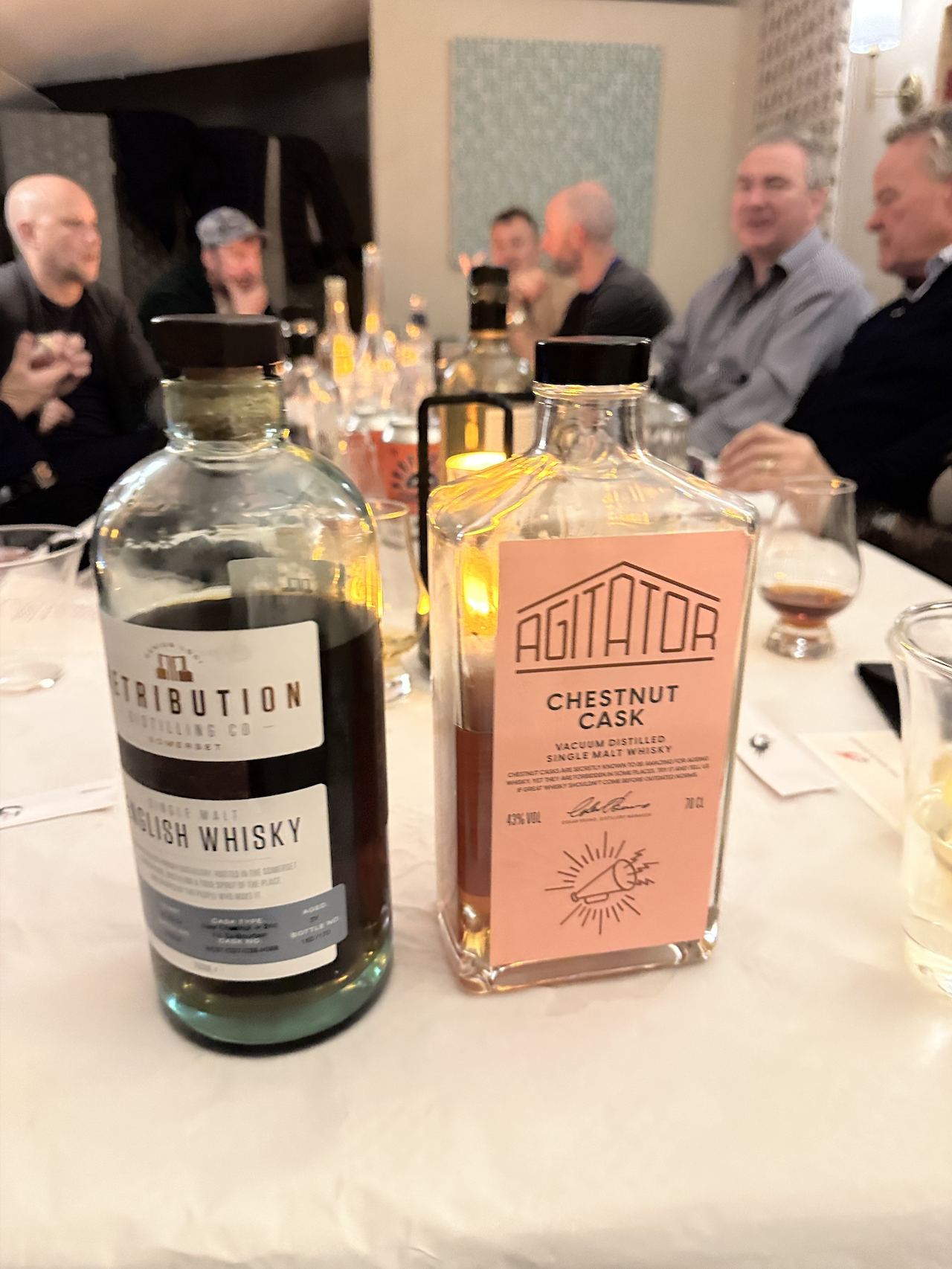
Agitator was a hit at a recent Barley magazine tasting of chestnut casks
Agitator, on the other hand, is lighter and more approachable, with vanilla, chocolate, autumn fruits and a little honey sweetness on the nose. The palate balances fruit and chocolate with a distinctive tannic catch at the back of the throat, leaving a slightly dry finish without losing its sweetness. At around £45, it's really great value and went down particularly well with our tasting group, proving the more accessible of the two, while Retribution was the punchier and, for my money, more exciting dram.
Bruno says Agitator has experienced similar reactions at its own tastings.
“Most of the time, the Chestnut Cask is victorious in a tasting.”
While I’d be loath to dismiss chestnut as a gimmick, it’s unlikely to replace oak any time soon. Its unusually greedy angels, unpredictable tannins and specialist cooperage make it a difficult wood to work with commercially, although replacing oak was never really the point.
What excites me far more is the freedom these experiments offer whisky makers, particularly those operating outside Scotland’s strict rules. Chestnut can deliver extraordinary flavour intensity relatively quickly, opening possibilities for different maturation techniques, different styles of whisky and perhaps even a new generation of drinkers. There will inevitably be a few failures along the way, but an industry that can sometimes be rather too attached to tradition could do with a little more of this adventurous spirit.
“Even the more traditional Scottish distillers need to ask themself what if oak isn’t good enough,” says Bruno.
Midleton, meanwhile, already has another experiment ageing in its warehouses. Ryan reveals that the distillery has stocks of single pot still whiskey matured entirely in chestnut, having filled the casks with new-make spirit during its earliest trials.
“It’s coming on really well and we are keeping a close eye on its progress. Something interesting for the future perhaps…”
Midleton Very Rare’s Chestnut Edition is available now as is Agitator’s Chestnut Cask and just a few bottles of Retribution Chestnut Cask.