They sold whisky as an investment. Now they want to sell it back to us
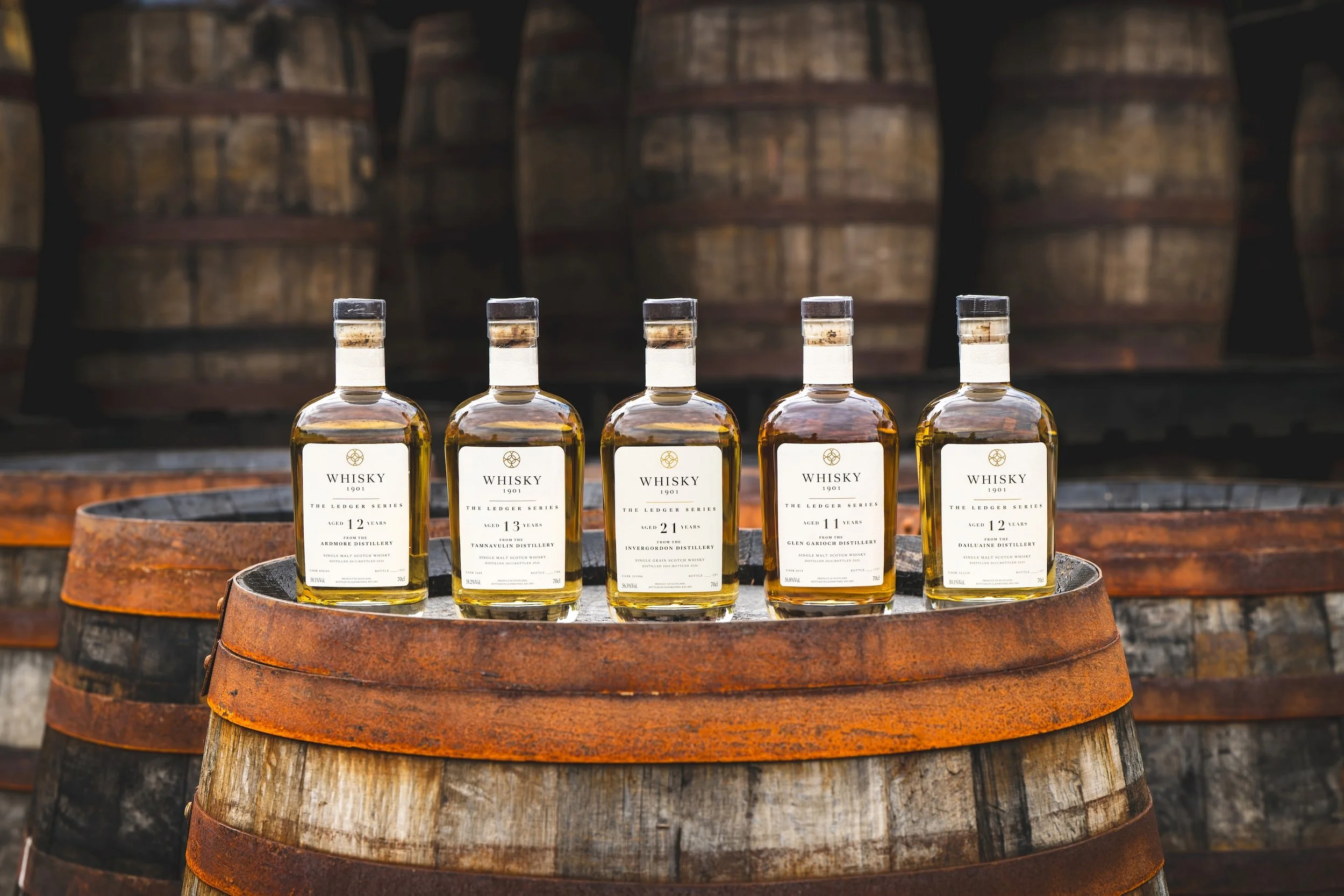
1901, a cask trader have launched the first bottling of their casks: The Ledger Collection
For years, cask investment companies sold Scotch as an asset whose value would keep rising. Now some of them are sitting on an awful lot of ageing whisky. Their next step appears to be putting it in bottles and asking drinkers to pay the price
I’ve been to a fair few whisky tastings over the years, sometimes in dingy underground cellars, sometimes in the private rooms of auction houses, most often in a five-star hotel dining room. So 39 floors above the City of London at Sushi Samba was a new one.
After squeezing into the glass lift with a crowd of gilet-wearing City boys and would-be influencers, I arrived to find a small and slightly bemused gang of whisky writers who looked as though we might all have walked into the wrong lunch.
Welcoming us was a man with dark, slicked-back hair and blue shirt, Aaron Damiano Sparkes, the founder and chief executive of Whisky 1901. I spent much of the afternoon talking to Sparkes and liked him. He was funny and had the unmistakable energy of an East End barrow boy done good, the sort of natural salesman who, had he been in a slightly different room, may have been flogging Bitcoin rather than barrels of Scotch.
Sparkes started out as a tiler before moving into City trading and then, in 2019, setting up Whisky 1901 as a cask investment business. It now says it has around 1,500 casks in storage and has split the operation in two, with The 1901 Group handling investment and Whisky 1901 becoming a dedicated independent bottler. The press release describes this progression as “a natural one”.
For years, cask investment companies have sold the wonderfully simply story. Whisky gets older, older whisky gets scarcer and scarcer whisky gets more expensive, so you buy a cask, leave it alone and wait for the graph to point upwards.
Some companies have been careful about the risks, while others have relied on a sales pitch that could feel distinctly Ponzi-shaped. Prices rise as more buyers enter the market, early investors are shown impressive paper gains and everyone assumes another buyer will turn up later with deeper pockets.
The problem comes when that later buyer becomes harder to find. At some point, somebody has to drink it – or at least buy it.
Whisky 1901 is not the first cask company to discover the pleasures of owning a bottling label. VCL Vintners was releasing its own single-cask whiskies as far back as 2021, beginning with a Royal Brackla and BenRiach at £65, followed by releases including a 1992 Strathclyde at £90 and a 30-year-old Bruichladdich at £595. Today VCL says it has 15,882 casks under management, worth more than £151m, while its move beyond simply buying and selling casks continues with Wilder Heart, its own American whiskey brand, which it has been promoting for launch in 2026.
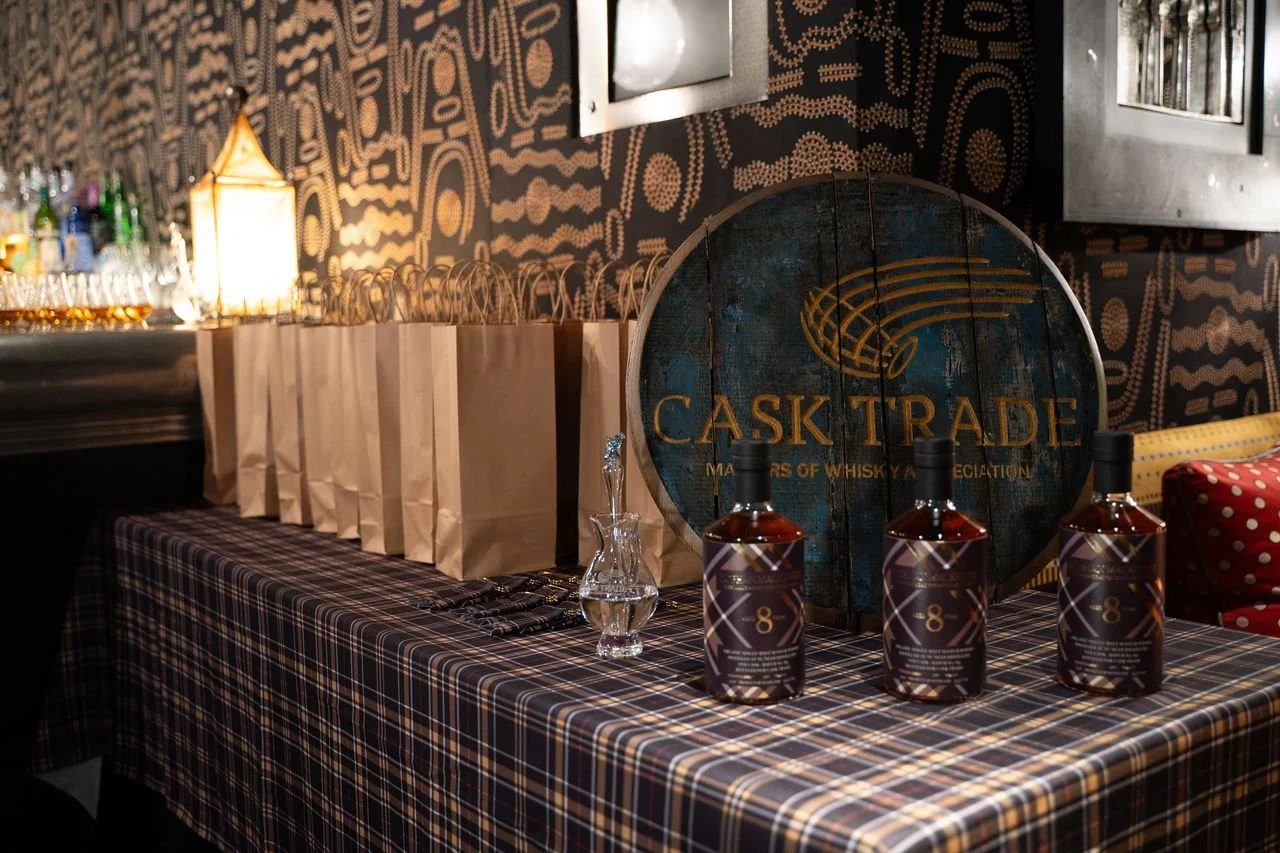
Cask Trade’s recent bottling with 8 year old Nc’nean and with Cask Trade Tartan designed by Siobhan Mackenzie
Cask Trade has gone further still and lists bottling among the possible exit routes for a cask owner, alongside selling privately, at auction or back into the trade. The company has its own bonded warehouse in Speyside with bottling facilities next door. It has also become increasingly active putting whisky into bottles itself. Last year it launched Cask & Crust with ‘Hairy Biker’ Si King, selling three 50cl whiskies from Benrinnes, Ben Nevis and Pulteney priced between just £39.99 and £59.99, and this June followed it with an eight-year-old single-cask Nc’nean that cost a very reasonable £65, with profits going to the charity Drinks Trust.
Spiritfilled, founded in 2019, now describes itself explicitly as both a “whisky cask investment company and independent bottler”, releasing single casks through its well regarded Mythical Beasts label, while Cask World has moved increasingly towards finished whisky projects, including its forthcoming The Eight Continent Series. These businesses are not identical and it would be unfair to lump all of them into the same bucket, but the direction of travel is hard to miss. The people who accumulated, traded and managed the casks are increasingly becoming the people trying to sell us what is inside them.
Whisky 1901 has called its first main range The Ledger Series, apparently after the records used to document each cask’s history. It is a perfectly reasonable explanation, although the name carries an unfortunate whiff of Crypto Bro.
The man charged with choosing the liquid was Matt Chambers, whisky writer, consultant and the company’s Master of Whisky. Chambers is a gentle, thoughtful presence, and he appeared somewhat removed from the sharper City energy around him.
He was given an array of samples from the company’s stock and divided them into yeses, maybes and nos before settling on six casks from Miltonduff, Dailuaine, Tamnavulin, Ardmore, Glen Garioch and Invergordon. The whiskies range from 11 to 21 years old, and all are bottled as limited single-cask releases.

Matt Chambers is 1901’s Master of Whisky and selector of casks for bottling
Chambers said the range allowed him to focus on “the cask and the liquid’s personality”, selecting each whisky according to how well it expressed the character of its distillery. He did his job well. His palate is clearly excellent, the whiskies were properly selected and there was nothing in the line-up that felt as though it had been bottled simply because somebody needed the warehouse space.
At £125, the Glen Garioch 11-year-old was the point at which I found myself Googling retail prices under the table. Glen Garioch’s standard 12-year-old can be found for a little over £40. Of course the Whisky 1901 release comes from a single cask, has an outturn of only 137 bottles and is presented at 56.8% cask strength, which justifies a premium, but it’s quite a leap.
The Dailuaine is in a similar price bracket. Whisky 1901’s 12-year-old costs £125, while established independent bottler Fragrant Drops has offered another 12-year-old Dailuaine single cask for £64.95. Casks differ, of course, but this is not a small difference between two interpretations of the same distillery. It is almost the price of a second bottle.
The 13-year-old Tamnavulin costs £155, more than double the price of comparable independent single-cask bottlings of the same age. Tamnavulin may be an underrated distillery capable of producing excellent whisky, but it is also a name most people associate with bottles stacked in supermarkets for less than £30.
“We’re playing is a slightly different place to a lot of the independent bottlers,” explains Chambers. “So you can look at the bottles you can look at the packaging – we’re playing in a premium space and this is what Aaron and I identified as a little bit of a gap in the market. We’ve got these exceptional casks and we can put them at the very super premium ends of the market,” he says.
None of this means the whiskies are bad. The liquid was good throughout and occasionally excellent, which has been proven with the string of international awards the Ledger Collection has recently won.
The 18-year-old Miltonduff was the standout, rich and balanced without becoming heavy, and at £160 it did not feel unreasonable for an older single-cask Speyside malt. The 21-year-old Invergordon, priced at £145, also worked well and was among the strongest value propositions in the range.
The awards support the quality of the liquid up to a point. The Miltonduff has picked up significant recognition, while several other releases have also won gold medals. Whisky awards tell you that judges liked what was poured in front of them, but they cannot turn £125 into good value by administrative decree.
Beyond The Ledger Series, there is also The Collection, its more premium annual release, where the pricing moves up another gear: a 25-year-old Jura at £500 and a 35-year-old Glenburgie at £1,325.
Whisky 1901 has released some good whisky, but the company is most interesting as a picture of what happens when the language of investment meets the reality of selling bottles to drinkers.
Once the whisky is in a bottle beside hundreds of competing releases, the market becomes much less theoretical. People compare ages, distilleries, strengths and prices, then decide whether they actually want to part with the money.
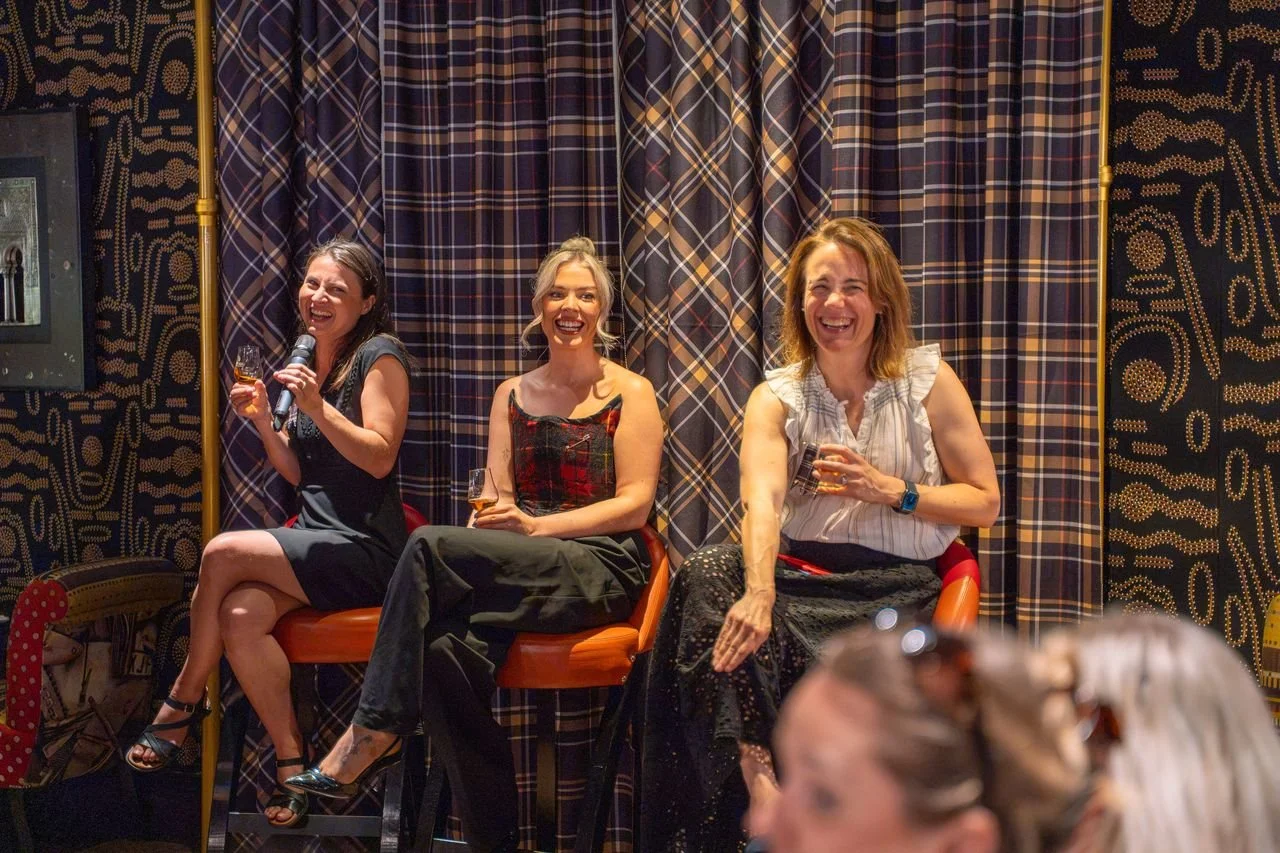
Scottish fashion designer Siobhan Mackenzie (centre) with Annabel Thomas (right), founder of Nc’nean at their Cask Trade bottling launch in June
The investment world has always treated whisky as a product whose value lies in what the next person might pay but seeing some of my favourite distillers and whisky-makers smiling for photographs beside investment traders just feels a bit… grubby.
Independent bottlers have traditionally earned trust by finding interesting liquid, being transparent about what it is and pricing it so people return for the next release. The more interesting question is what happens when the valuation placed on a cask as an investment follows it all the way into the bottle.
Perhaps this is simply the natural order of things. Casks are sold, traded, held and eventually bottled, and there is no reason the investment firm that owns them should be barred from completing that journey. In fact, given the amount of whisky some of these companies now control, it would be stranger if they didn’t.
But perhaps it’s seeing these two quite opposite sides of the whisky world – the makers and the traders – suddenly collide, and ultimately they are both now trying to sell to the same customer.
Whisky 1901 could become a serious independent bottler. It has access to a large stock of casks, Chambers has shown that he can choose good liquid and several bottles in this first range are genuinely worth drinking. It will be interesting to see how these products sell and who they are selling too and whether the very same customer who bought that cask might now be buying the same liquid again, but this time in glass rather than wood.