The chilling history of whisky at the South Pole
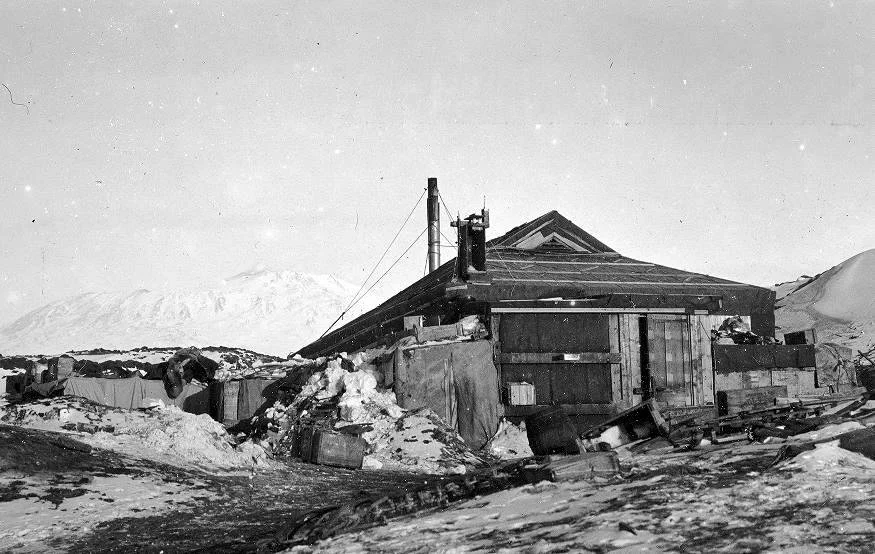
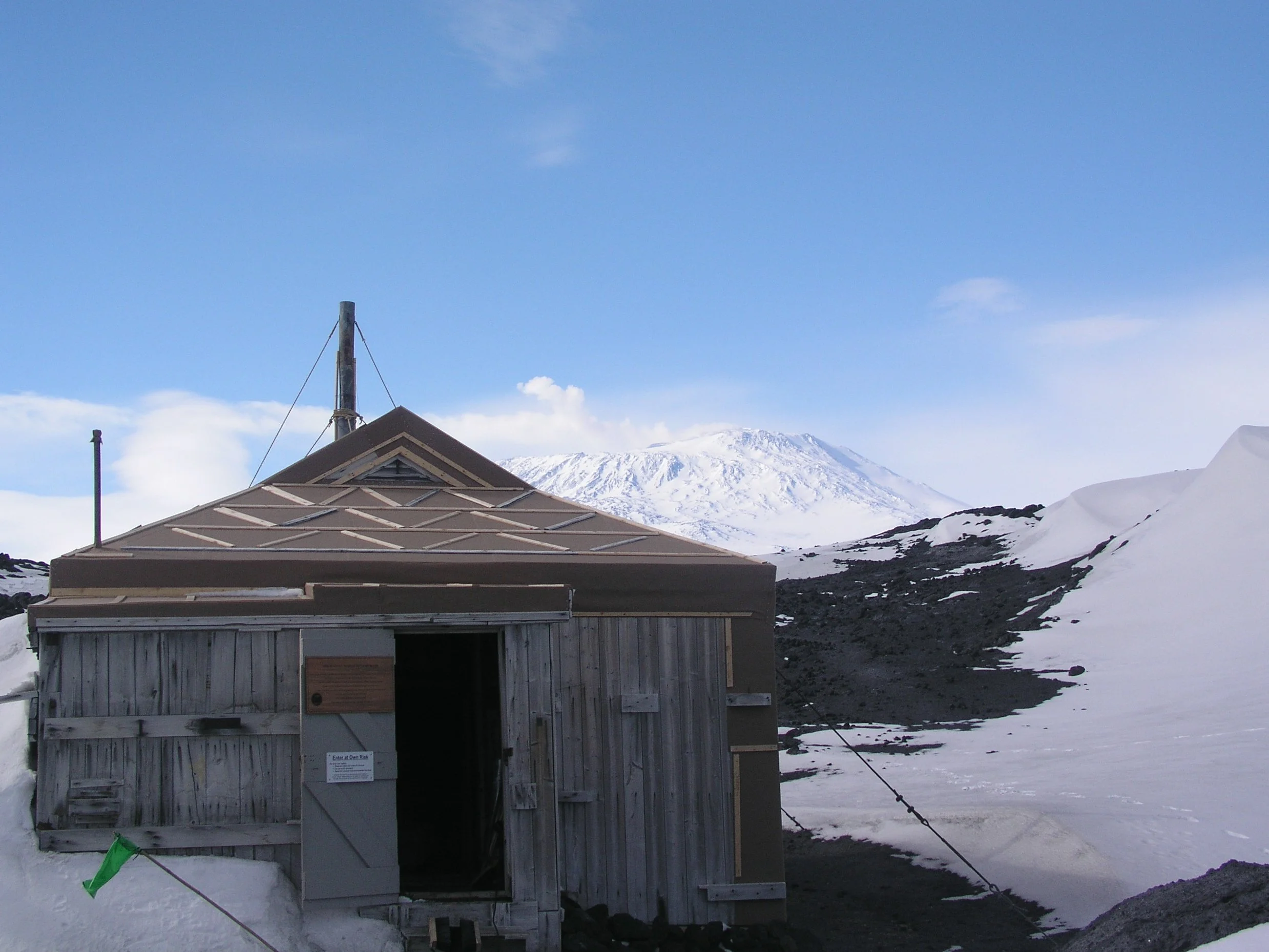
Ernest Shackleton’s Antarctic hut where cases of century-old whisky were recovered in 2010
From Shackleton’s frozen crates to a dram that helped inspire ice-core climate science, Antarctica has long had a strange pull on whisky. Now the first cask deliberately matured on the continent is adding a new chapter to the story
“Men wanted for hazardous journey. Low wages, bitter cold, long hours of complete darkness. Safe return doubtful. Honour and recognition in event of success,” so the legend goes, read the advert Ernest Shackleton placed while looking for men to join his expedition to the South Pole. Had it also mentioned that a few crates of finest Mackinlay’s whisky were coming along for the ride, he might have attracted another kind of hero – although perhaps the wrong kind.
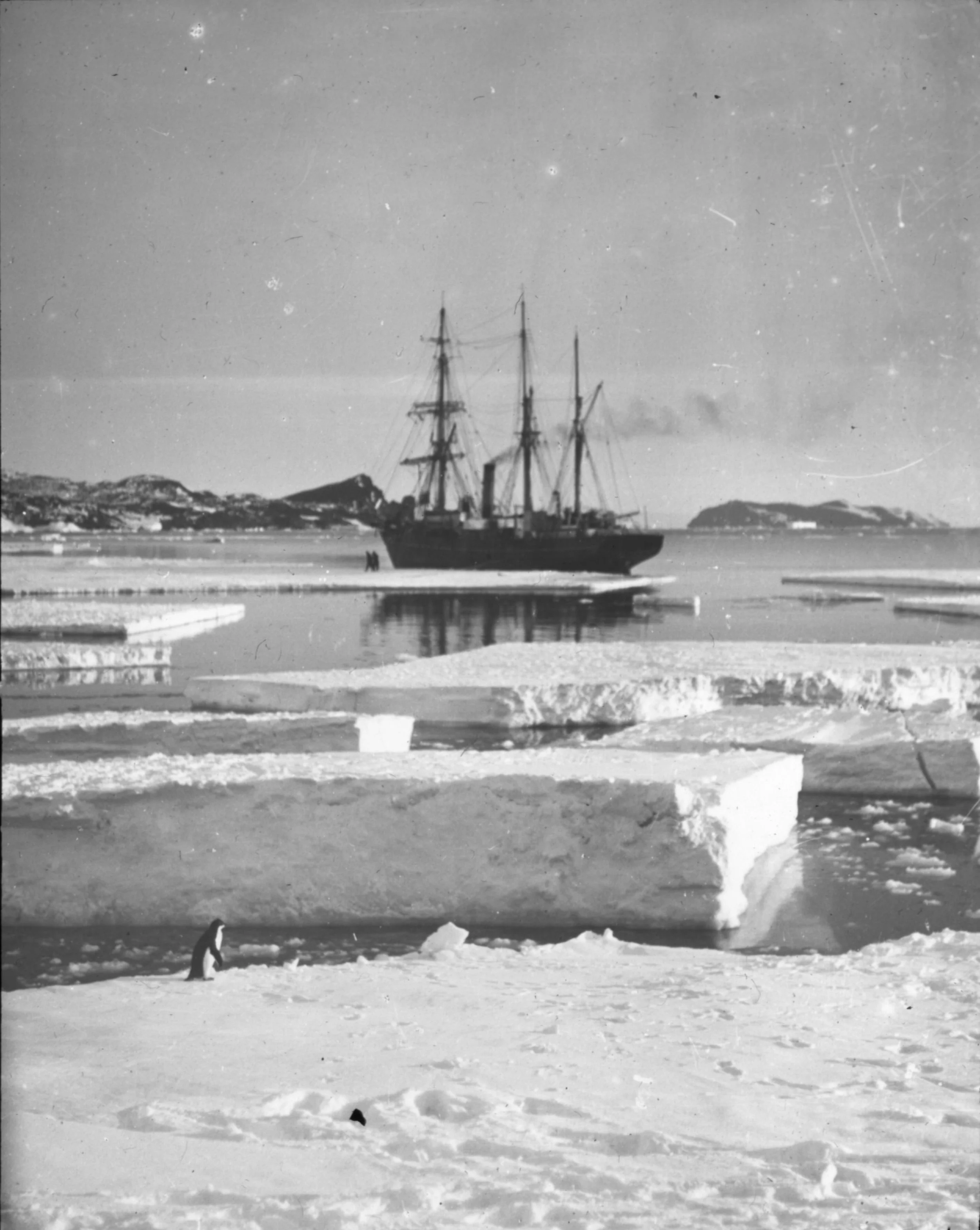
The Nimrod anchoring at Cape Royds, 1908
The whisky belonged to Shackleton’s Nimrod expedition of 1907–09, his first Antarctic expedition as leader and the journey that took him closer to the South Pole than anyone had been before. Nimrod left Lyttelton, New Zealand, on 1 January 1908, carrying a shore party bound for Cape Royds on Ross Island, a volcanic, wind-bitten outpost watched over by Mount Erebus.
These men were not sitting around discussing waxy old Highland character or wondering whether a drop of water might open it up. Whisky was an expedition supply rather than an indulgence, packed alongside food, fuel, medicine, ponies, dogs and everything else thought necessary when a group of Edwardian men decided to drag themselves towards the South Pole.
Shackleton took 25 cases of Mackinlay’s Rare Old Highland Malt south, along with brandy and port, but on 9 January 1909, having reached 88°23’ south, just 97 nautical miles from the Pole, he turned back. He had enough food to get there, but not enough to get back.
The South Pole stayed out of reach, but his men survived. Shackleton later told his wife, Emily, that he thought she would prefer “a live donkey than a dead lion”. He, Frank Wild, Eric Marshall and Jameson Adams struggled back to Cape Royds short of food, strength and time, then left in March 1909 having failed at the Pole but got everyone home.
Some of their whisky, however, stayed behind.
More than a century later, the New Zealand Antarctic Heritage Trust was restoring Shackleton’s hut when it found crates frozen into the ice beneath the floorboards. The team thought there might be two whisky crates down there. In January 2010, after years of conservation work around the site, it excavated five crates: three of Mackinlay’s whisky and two of brandy.
The restorers could hear liquid when the crates were moved, while Al Fastier, the trust’s team leader, said “the smell of whisky in the surrounding ice” suggested full bottles remained inside, although one or more might have broken.
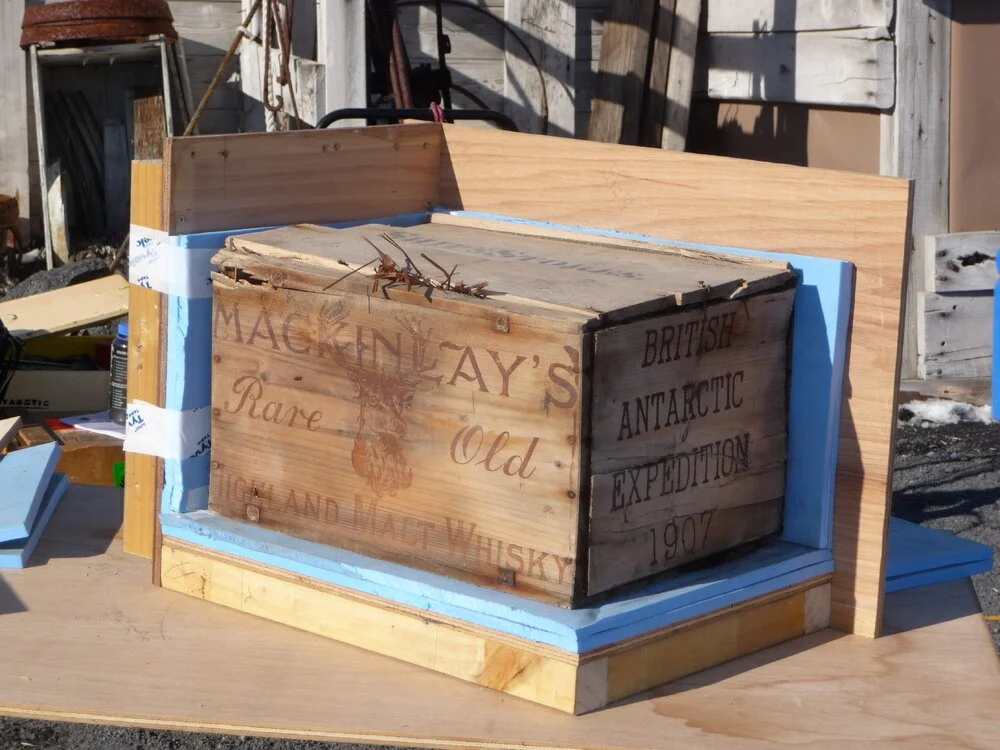
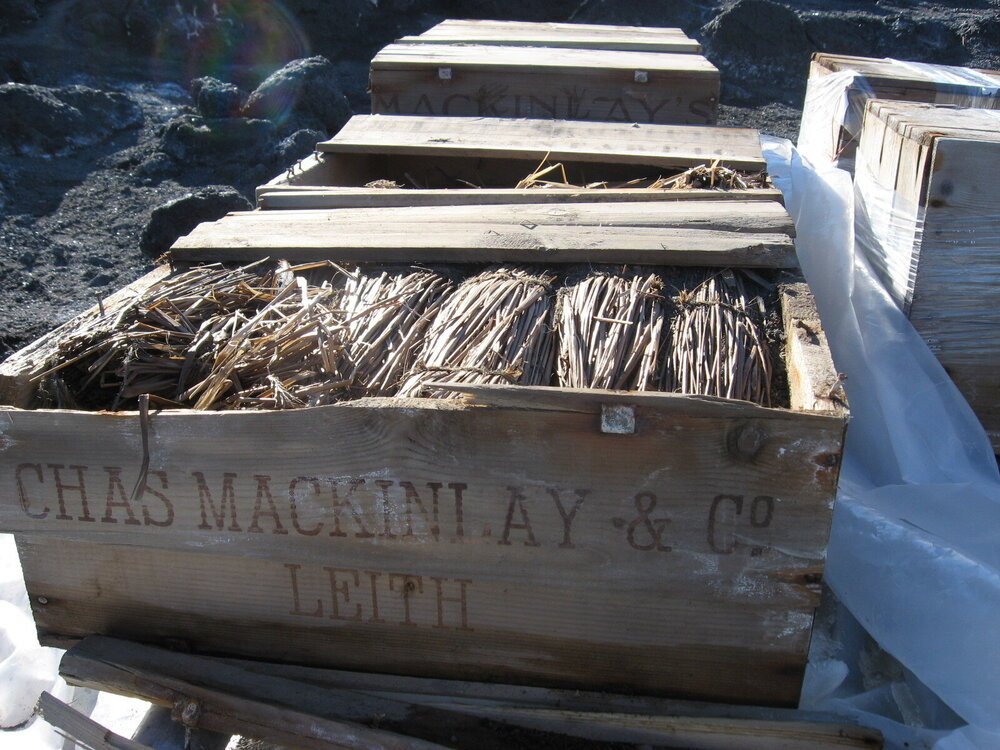
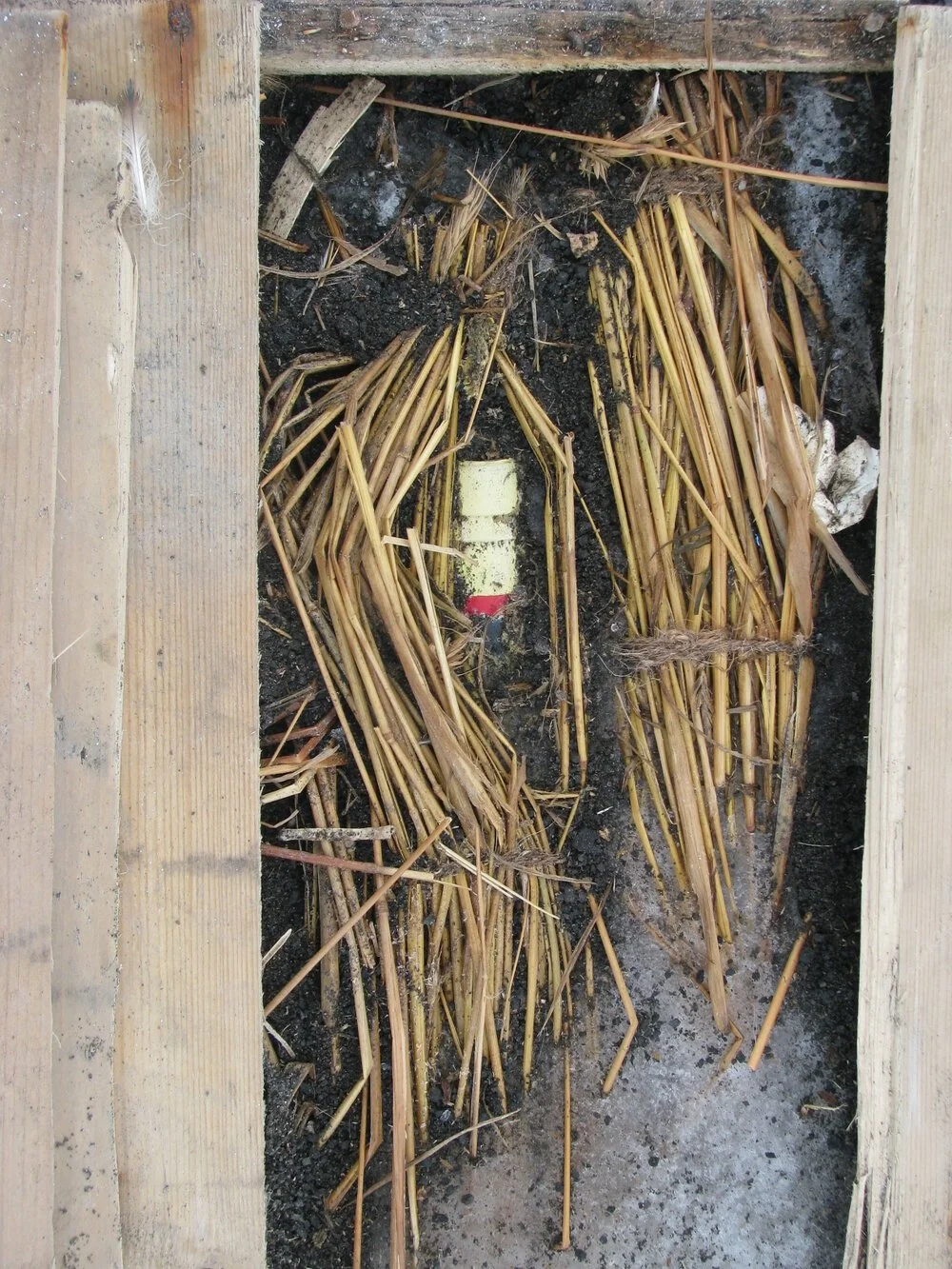
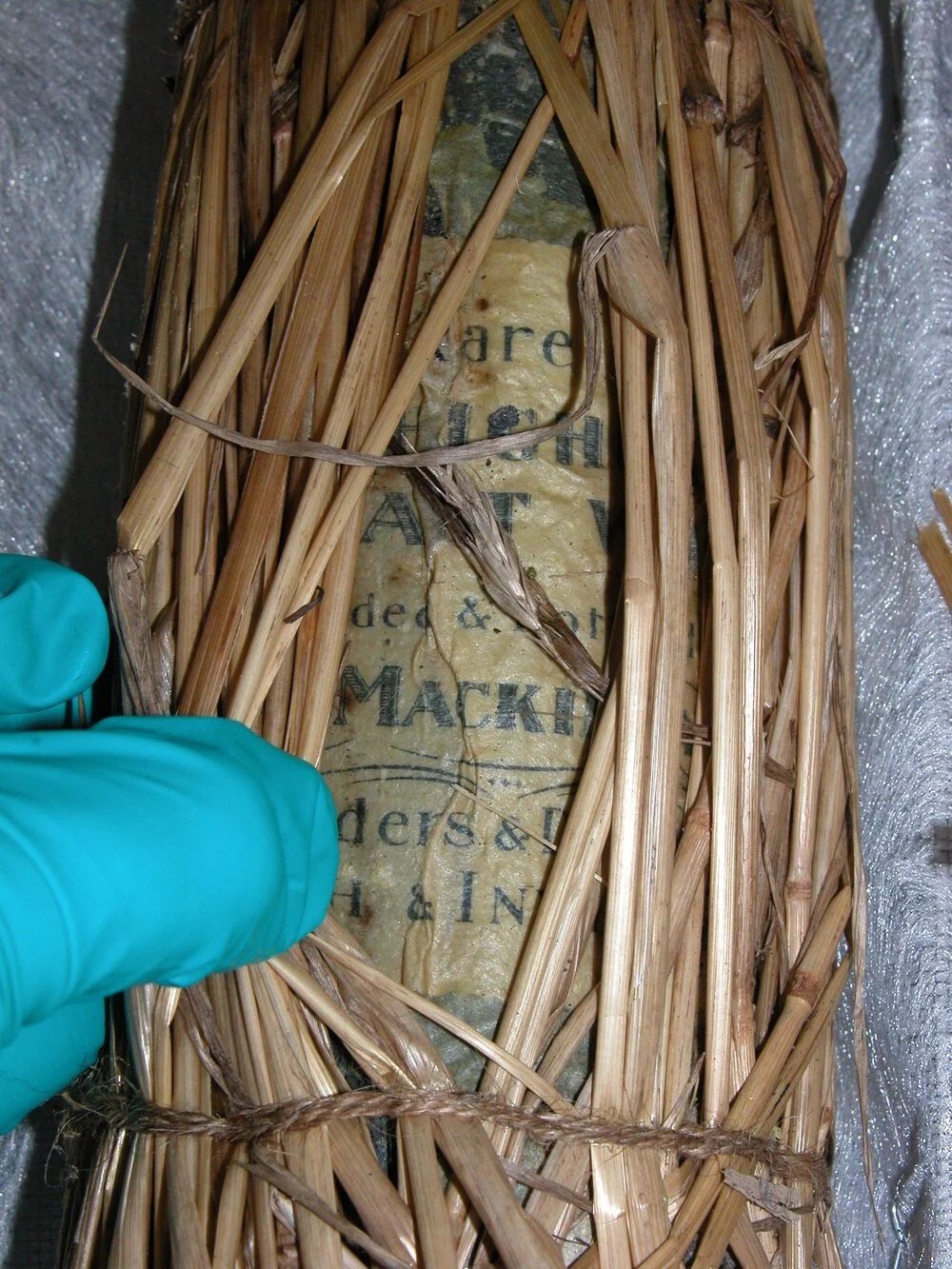
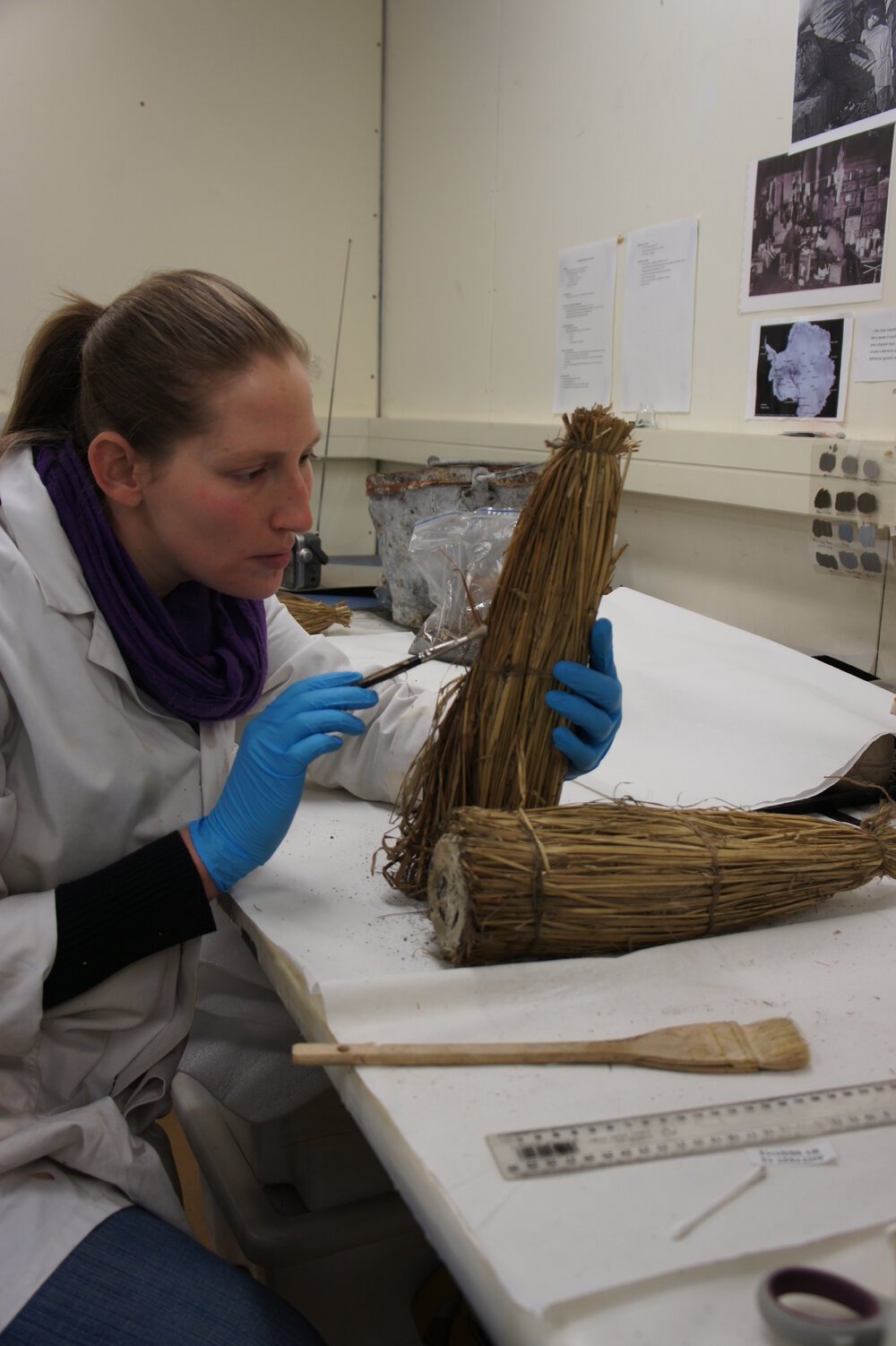
One whisky crate was flown to New Zealand and thawed slowly in a purpose-built environment at Canterbury Museum. When it was opened in August 2010, it revealed 11 bottles of Mackinlay’s Scotch, still wrapped in paper and straw. Ten were reportedly intact, while the whisky inside could still be heard moving. The cold had preserved it, but had not frozen it.
Shackleton’s whisky had not been aged by Antarctica in the sense of maturing in cask. It had already been bottled before it went south, probably around 1896 or 1897 according to contemporary reports, and the continent had acted like the most dramatic drinks cabinet in history, holding the bottles in cold storage, away from light, heat and almost everything else that might have ruined them.
Three bottles were later taken to Scotland under permit for analysis by Whyte & Mackay and the Scotch Whisky Research Institute. Richard Paterson, Whyte & Mackay’s master blender, described the find in 2010 as “a gift from the heavens” for whisky lovers and saw immediately that if the contents could be confirmed, extracted and analysed, “the original blend may be able to be replicated”.
The liquid was measured at 47.3% ABV and shown to be lightly peated, using Orkney peat, and matured in American white oak sherry casks. This was not the lazy idea of “old Scotch” as something heavy, dark and stern, but a late-Victorian Highland malt with light smoke, cask sweetness and a style rooted in distilling practices that had largely disappeared from the mainstream. Paterson recreated it in 2011 as Mackinlay’s Rare Old Highland Malt.
Half a century before that analysis, whisky and Antarctic ice had already met in a very different way. In the 1960s, French glaciologist Claude Lorius dropped a piece of ancient Antarctic ice into his whisky after a day’s drilling at Dumont d’Urville and watched bubbles escape as it melted. He later realised that the air trapped in ancient ice could reveal the composition of the atmosphere in the past, an idea that helped shape ice-core climate science.
Modern whisky makers have since returned to Antarctica in different ways. In 2018, Ardgowan released Expedition, a 20-year-old blended malt containing whisky carried to the South Pole by Robert Swan and his son Barney during the South Pole Energy Challenge. Willie Phillips, Ardgowan’s then chairman, described the final whisky as having “an opening sweetness”, “a pleasant mouth feel” and a finish that reflected its age.
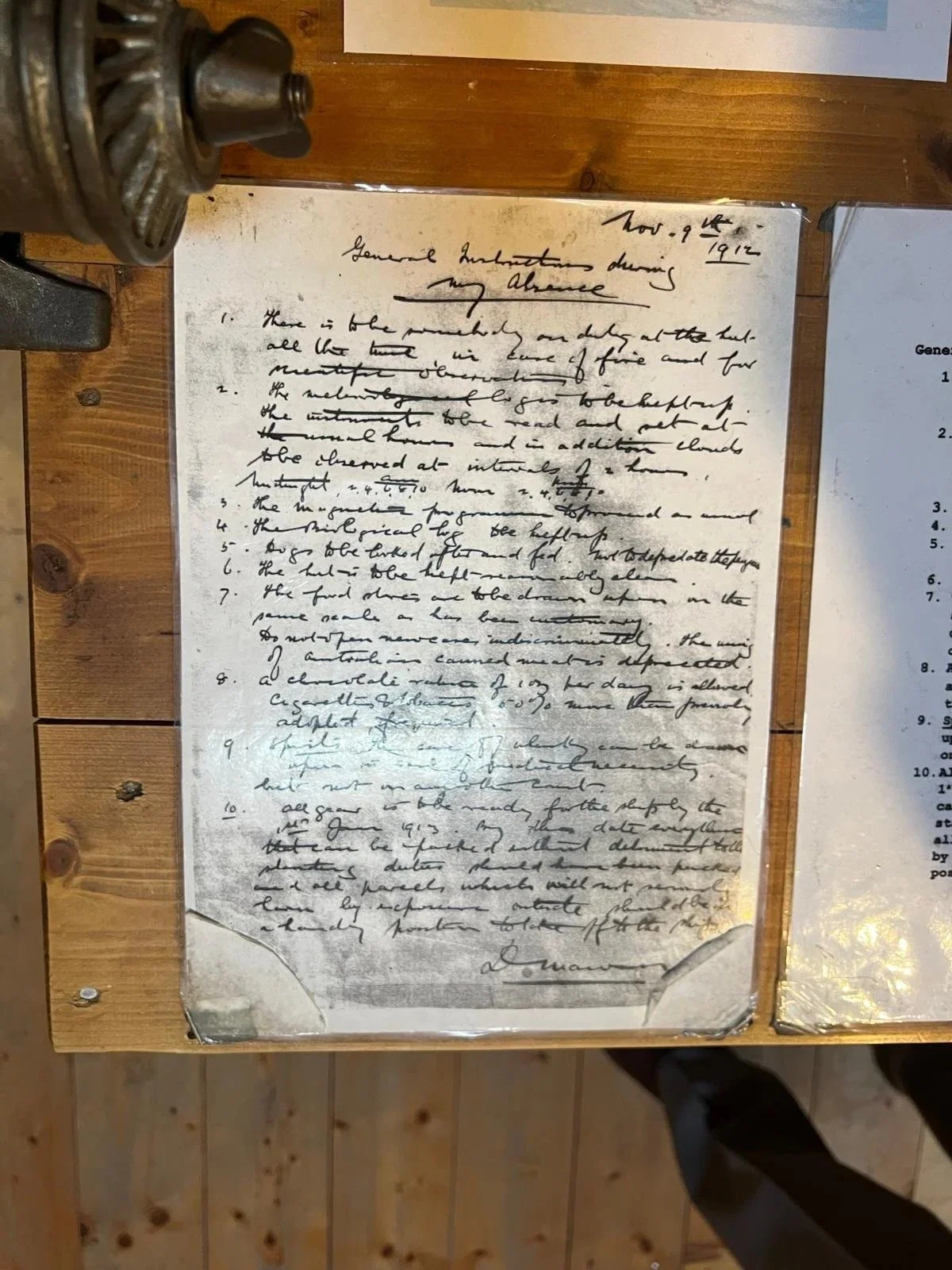
“The case of whisky can be drawn upon if it is of medical necessity but not on any other account,” wrote Douglas Mawson on his 1912 expedition
Launceston Distillery in Tasmania followed in 2019 with Mawson’s Antarctic Whisky, a 78-bottle release named after explorer Sir Douglas Mawson and sold to raise money for the Mawson’s Huts Foundation. Mawson established the main base of the Australasian Antarctic Expedition at Cape Denison in 1912, before leading the Far Eastern sledging party later that year with Belgrave Ninnis and Xavier Mertz. Ninnis fell into a crevasse on 14 December 1912, taking most of the provisions with him, and the return journey became one of the most brutal survival stories of the heroic age.
In 2021, Overeem Distillery brought Antarctica into the liquid itself with Dome Argus, a Tasmanian single malt made using pure Antarctic ice melt water connected to Australian explorer Geoff Wilson.
Daniel Monk, founder of world whisky company Cask World, introduced Wilson to Overeem founders Jane and Mark Overeem after working with the explorer on another project, helping to set in motion a limited release of 500 bottles. The whisky had still been distilled and matured in Tasmania, but for the first time Antarctica was present inside the bottle rather than simply appearing in its name or backstory.
Now a new chapter is being written by Monk, the man behind The 8 Continent Series, a collection that brings together whiskies matured across every continent, including Antarctica. “What interested me was the kind of pull towards Antarctica from distilleries and whisky drinkers and makers,” he says. “It just seems to be some sort of a pull to Antarctica and has been for a very long time.”
The Antarctic piece of his project came through La Alazana, the Patagonian distillery founded by Lila and Néstor Serenelli in Argentina’s Chubut province. Years earlier, Monk and his wife had set out to collect whisky matured on every continent on Earth, but one obvious space remained empty.
In 2022, after building a relationship with the Serenellis, he finally shared the idea. “I finally trusted somebody and shared my dream,” he says. “Off they went and within nine months they’d managed to achieve it, with the help of the Ministry of Defence.”

The Argentinian whisky was flown by C-130 Hercules to Base Marambio
The result was Isla Marambio, a single malt first matured at La Alazana before being transferred into ex-bourbon casks and flown by Argentine military C-130 Hercules to Base Marambio, Argentina’s permanent Antarctic research station on Seymour Island. It spent three years there, not preserved in bottle like Shackleton’s whisky, carried ceremonially like Ardgowan’s flask or reduced with Antarctic ice like Overeem’s Dome Argus, but left in cask to find out what Antarctica might actually do to it.
“We didn’t know what to expect as it had never been done before,” says Lila Serenelli. When the whisky came back, she says the distillery’s identity was still there, but something had shifted. “We immediately recognised the DNA of La Alazana, but there were floral notes in the glass we had not tasted before. We realised it was something different that our whisky doesn’t usually have.”
Antarctic-matured whisky sounds expensive and theatrical, and Monk does not duck that. “I understand why we initially may think along those lines,” he says. “Whisky has seen many unusual releases over the years, but for me the important part was never novelty alone. It is about documenting climate and place seriously.”
The tempting assumption is that if whisky matures more quickly in the heat of India or Kentucky, then three years in Antarctica must be the equivalent of watching paint dry in a freezer. Monk is wary of treating maturation as a simple race, however, because heat, cold, humidity and temperature movement do not merely alter its speed. They change the way spirit and wood interact.
“I would say it is a different type of maturation,” he says. “I wouldn’t necessarily say faster or slower.”
That difference is now being examined through chemical research by a team led by Dr Aline Bortoletto at INOVBEV in São Paulo, Brazil. The study will consider the whiskies independently rather than setting up a beauty contest between continents, with the researchers looking for evidence of how different environments may have affected each liquid.
“For producers, the study could help deepen understanding around how factors such as humidity, temperature, altitude and seasonal variation influence maturation and flavour development,” Monk says. “Over time, that may help distilleries refine maturation strategies, possibly cask selection, possibly spirit production and warehouse approaches.”
The practical implications are potentially more useful than the headline-grabbing Antarctic cask. Distillers already manage warehouse temperatures, insulation, cask positions and airflow because they know that apparently small environmental changes can alter evaporation and maturation. Better evidence could eventually help producers make spirit designed for their own climate rather than attempting to reproduce Scottish practices in conditions that bear little resemblance to Scotland.
Monk is careful not to claim that one collection will settle the argument, particularly when the eight whiskies come from different distilleries, grains, casks and production systems. Separating the influence of location from every other variable will be difficult, and Antarctica supplies only one cask rather than a warehouse full of controlled comparisons.
“At the very least, this is just the beginning of some research,” he says. “I believe that it could be a building block for it to grow.”
In December 2025, the project’s eight whisky samples were carried south by British explorer and UK chief scout Dwayne Fields during an Antarctic expedition. Isla Marambio therefore returned to the continent where it had matured, this time accompanied by whiskies representing the other seven continents.
“It was almost this kind of symbolic return of Isla Marambio,” Monk says.
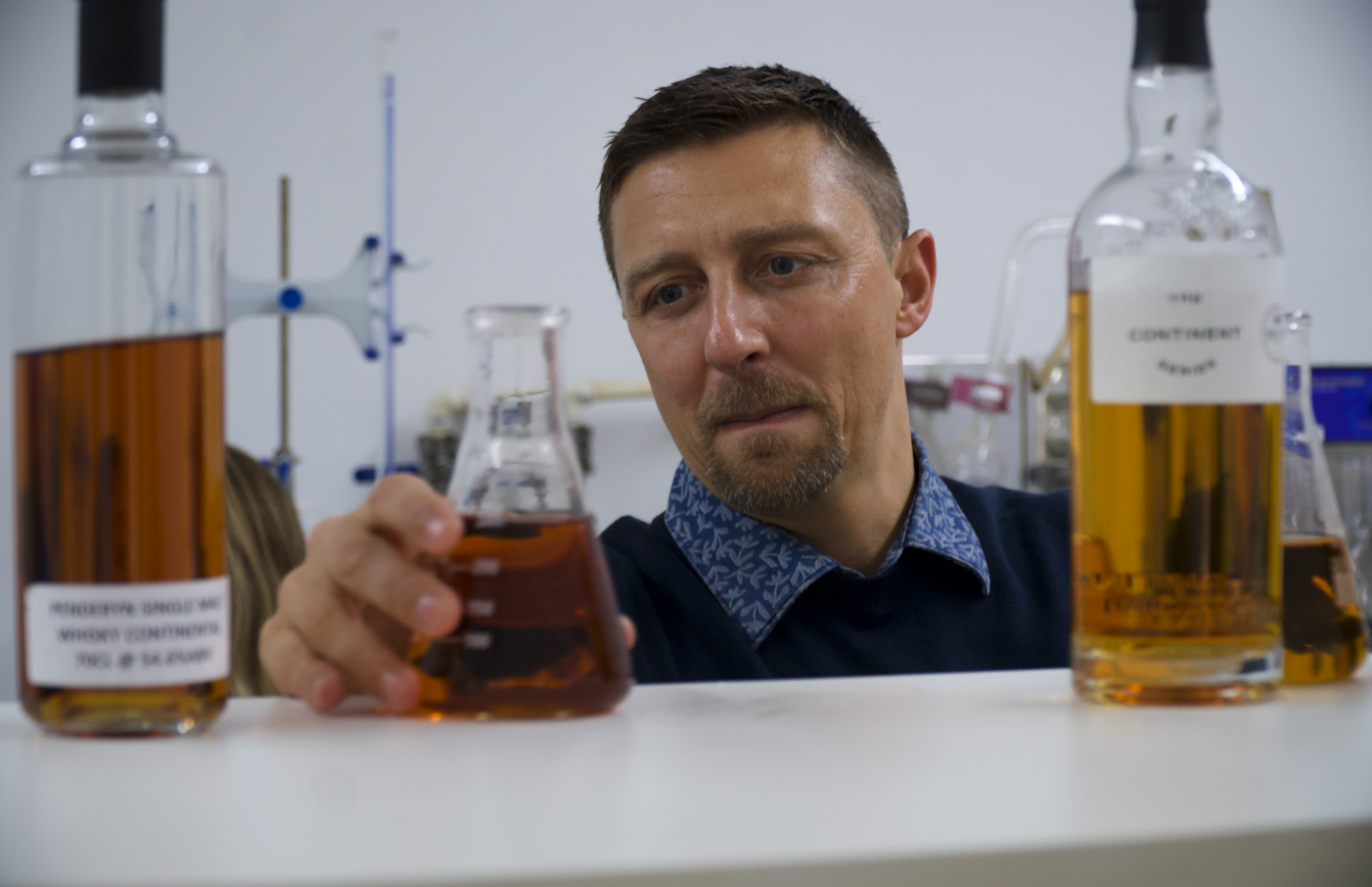
Daniel Monk of Cask World, has sourced whisky from 8 continents, including Antarctica, to be scientifically studied
Alongside the scientific work, eight artists – each connected to the nation represented by one of the whiskies – are visiting the distilleries and responding to the liquid, landscape and culture behind it. Rather than designing conventional labels, they are painting directly on to glass, while also producing separate works intended for an exhibition in London.
“Whisky is fundamentally chemistry, but it’s also culture and emotion, and art helps to interpret the identity of each place in a way science alone can’t,” Monk says. “Here we have eight nations coming together, focused on one project and all working together independently. We think that’s quite a beautiful sentiment.”
The very limited eight-bottle collection is expected to be completed towards the end of 2026, although Monk acknowledges that the research and artwork could push the final release into early 2027. After more than a century in which whisky was carried to Antarctica, abandoned there, recreated from it and mixed with its ice, the continent is finally being treated as an active part of maturation rather than simply the most dramatic backdrop anyone could find.