Arran’s unshowy allure
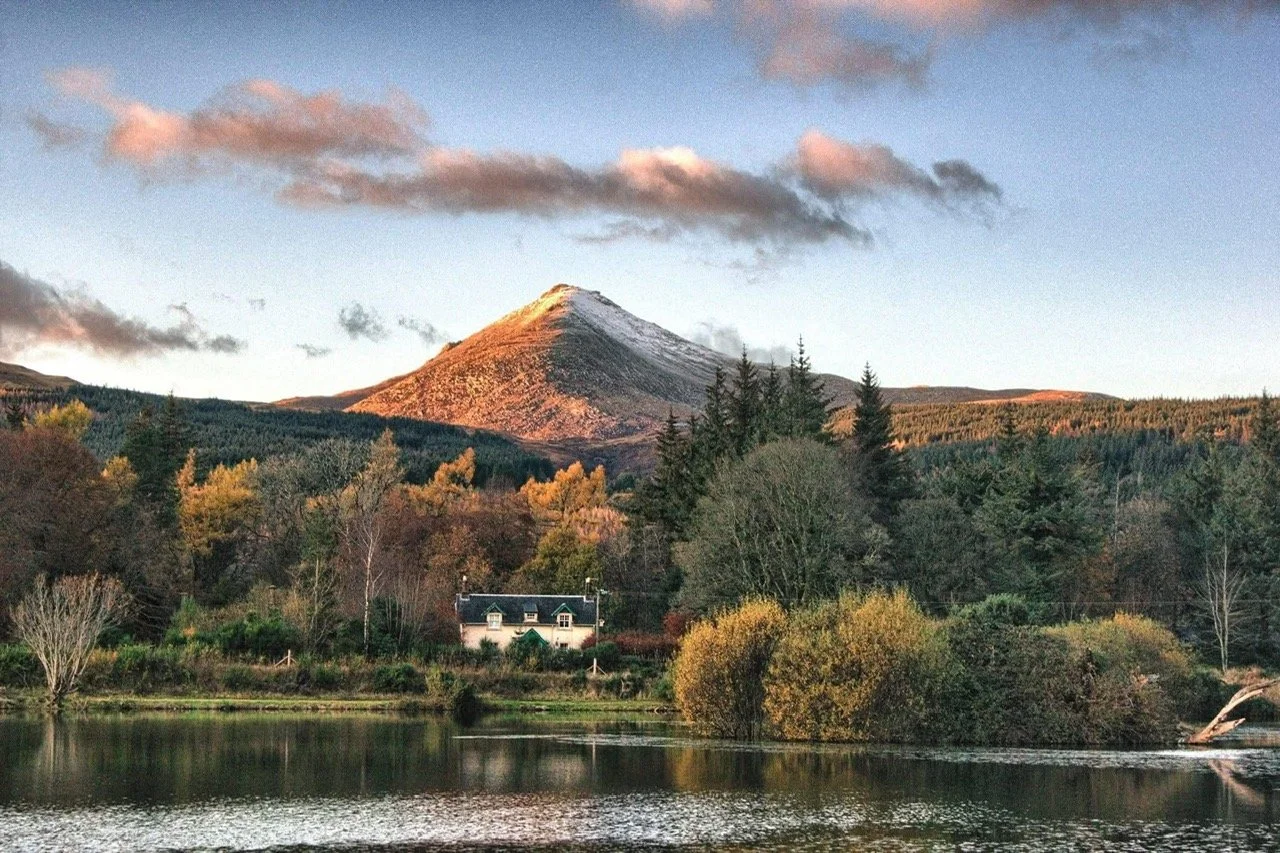
The view across to Goat Fell mountain on Arran, with Gordon’s mother’s old home, Mossend, nestled beneath it
Arran is Scotland’s most accessible isle – but no less beguiling for it. Gordon Thomson visits with his mother, who grew up there, and finds a place of stark contrasts, easy pace and an enviable larder
I’m standing with my mother on a grassy lane outside the house she grew up in, the sun dazzling on a rare, flawless Scottish spring morning. Mossend – a neat Victorian estate cottage just outside Brodick – sits quietly beneath the looming bulk of Goat Fell mountain, its freshly painted racing-green window frames the only real concession to the present. Otherwise, it feels suspended in time.
She points out the frayed remains of a rope swing her father made more than 60 years ago, still looped around the thick branch of a slightly stooped oak. The rope is weathered but it holds. In its own way, so does she – tethered to this place by memory, by family, by the steady, unshowy pull of Arran.
That sense of continuity runs through the island. Arran is often described as “Scotland in miniature”, its improbable mix of highland drama, lowland gentleness and encircling coastline compressed into something both manageable and complete. It has also long been Glasgow’s escape hatch: close enough for a spontaneous crossing, far enough to feel like release. That dual identity – accessible but distinct – still defines it.
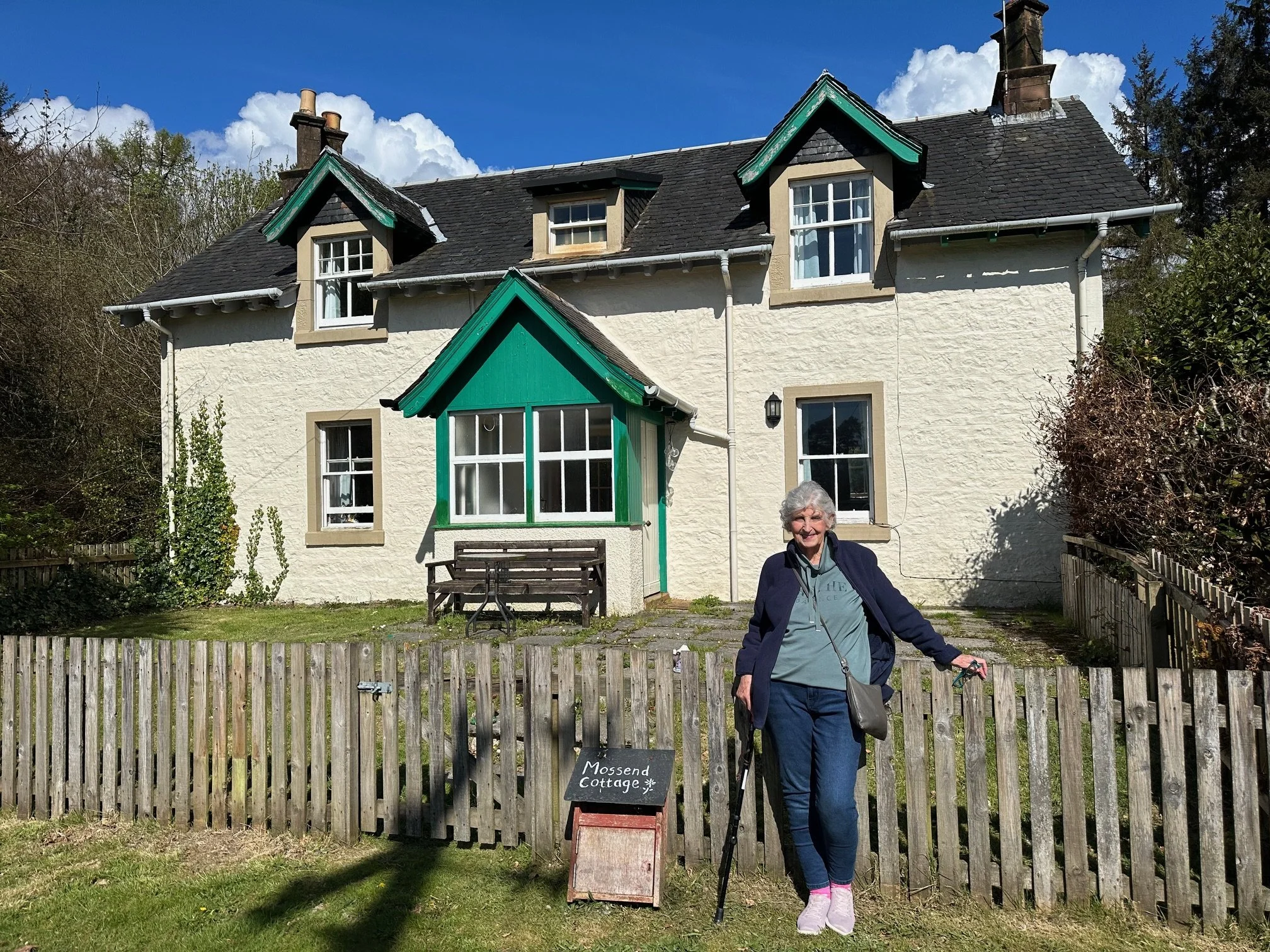
My mother Kathleen outside Mossend in 2025
Ties that bind
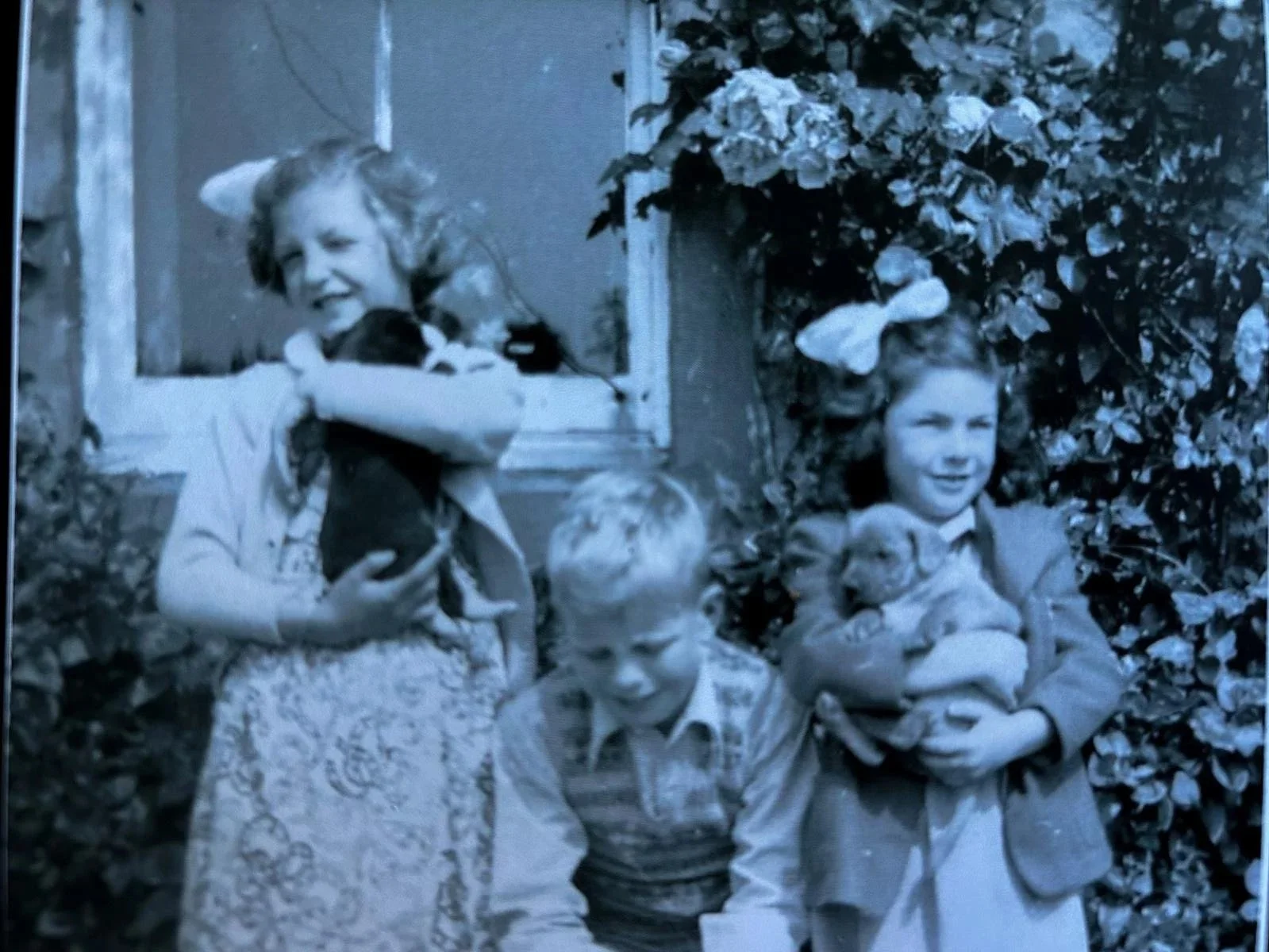
My mother, far left, with cat, and friend, with her sister, Jackie, right, outside Mossend in the 1950s
Back near Brodick, we settle into the easy rhythm of island life. Days stretch out. Distances shrink. Even at its busiest, Arran never quite loses its underlying calm.
At the Auchrannie Resort, where we’re staying, that balance is struck neatly. The original Victorian house now sits alongside a larger, more contemporary wing, but the atmosphere remains relaxed rather than rarefied. Our rooms look out towards the hills, all muted tones and quiet comfort.
‘Arran has long been Glasgow’s escape hatch: close enough for a spontaneous crossing, far enough to feel like release’
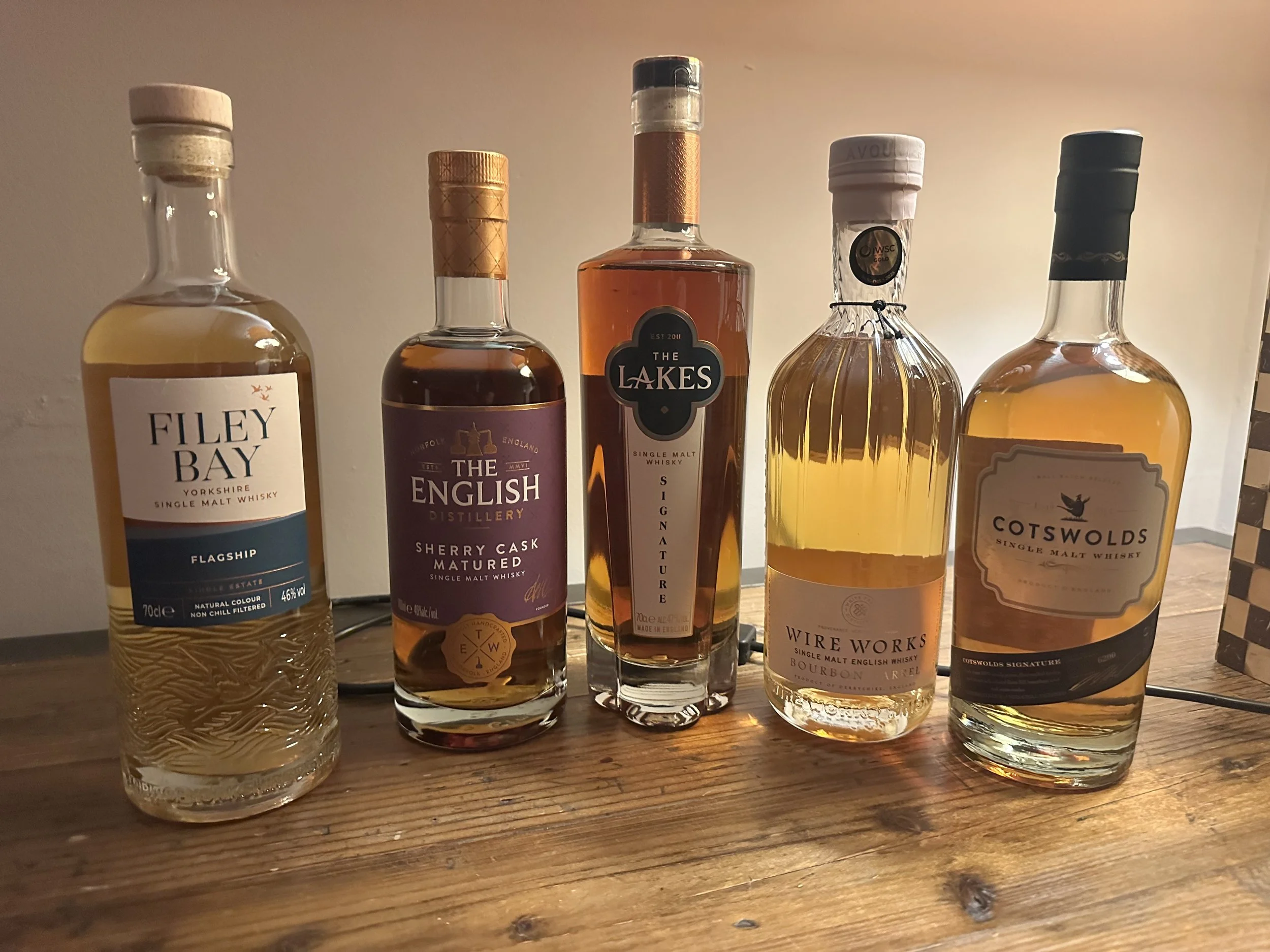
In the evenings, we drift into the old house, where the drawing room bar offers one of the island’s more thoughtfully put-together whisky selections. It’s not showy, but it’s smart: a well-judged mix of island malts, mainland classics and a few harder-to-find bottles that reward a bit of curiosity. You could spend a few nights working through it without repeating yourself, which feels like the right pace for Arran.
Whisky, of course, is now woven into the island’s modern identity. At the northern tip, in Lochranza, Arran Distillery has been quietly reshaping perceptions since it opened in 1995 – famously inaugurated by Ewan McGregor, long before the island’s current whisky renaissance fully gathered pace.

Lochranza
Its spirit is often described as clean and fruit-forward, but sitting there with a glass in hand, looking out towards the ruined Lochranza Castle across the water, it feels like a reflection of the island itself: bright, precise, and subtly layered. Not a whisky that shouts, but one that reveals itself steadily – much like Arran.
Getting there is part of the pleasure. The drive north from Brodick hugs the coastline before turning inland, the landscape shifting almost imperceptibly from soft farmland to something more rugged and elemental. Cyclists grind uphill, pausing to take in the widening views; drivers do much the same, if we’re honest.
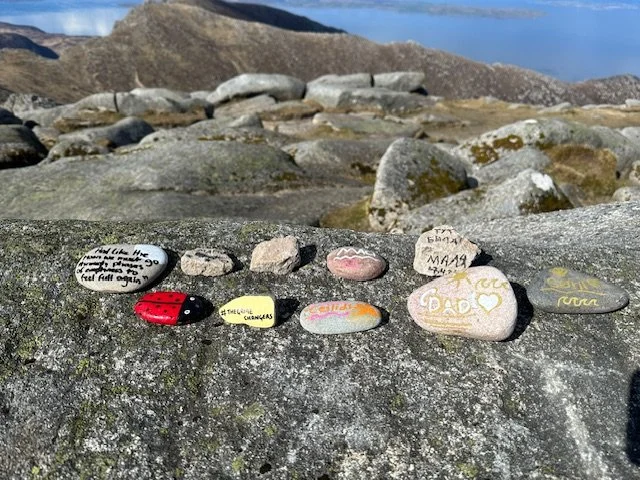
Elsewhere, the island offers a deeper sense of time. At Machrie Moor, a scatter of ancient stone circles rises from the grass, weathered and austere against the wide sky. They predate whisky by several millennia, but feel curiously aligned with it – markers of patience, of ritual, of a long relationship between people and place.
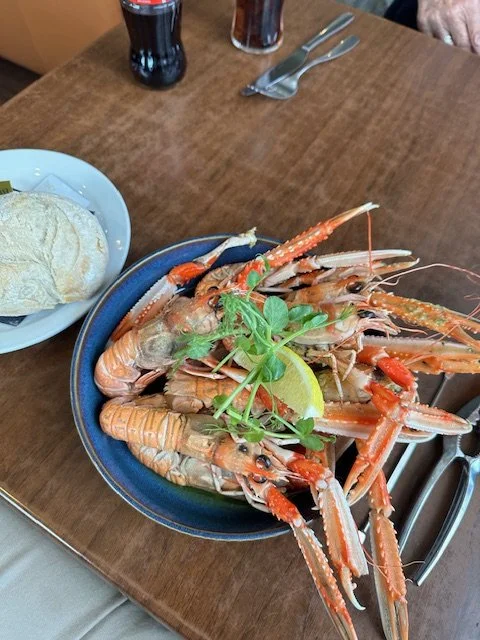
Food follows the same happy logic. Menus lean heavily on what’s nearby and in season: lamb that tastes unmistakably of the fields you’ve just walked past, langoustine and scallops sweet from cold surrounding waters, and simple, confident cooking that lets the ingredients do the work.
‘The landscape shifts almost imperceptibly from soft farmland to something more rugged and elemental’
Arran rewards movement, but not urgency. You can climb Goat Fell, as I do one afternoon in a slightly over-ambitious pre-dinner dash, legs burning on the final ascent as Brodick Bay spreads out below. Or you can take it slower, along sections of the coastal way, through villages like Corrie or Lamlash, where life unfolds at a more measured pace.
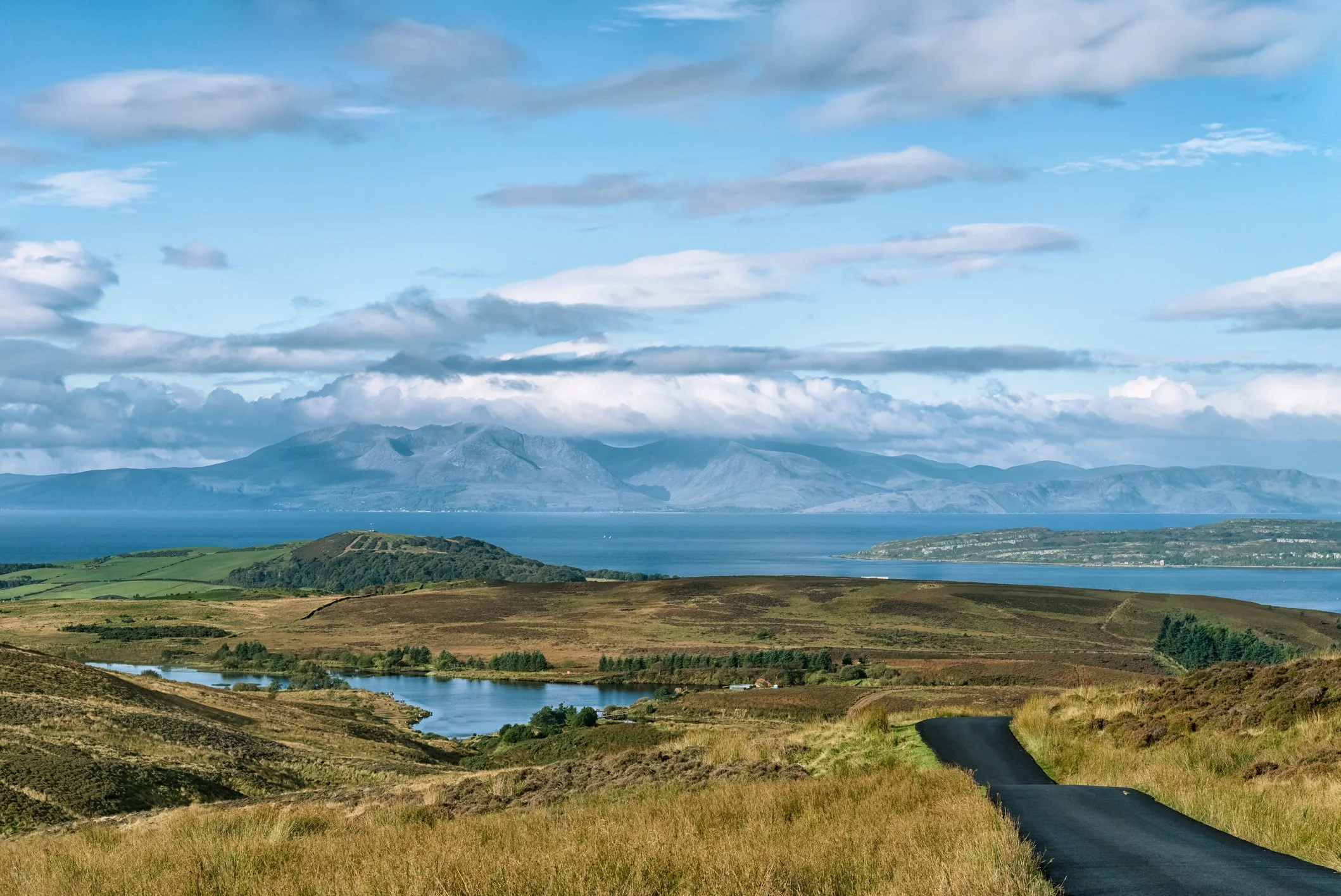
Early morning on the road to Brodick
Even the practicalities reinforce the point. The CalMac ferry remains the island’s lifeline, and a reminder that Arran’s ease comes with a degree of fragility. When it runs well, the crossing is a pleasure: open water, shifting light, the island rising steadily into view. When it doesn’t, the impact is felt quickly. Locals adapt, as they always have, with a mixture of pragmatism and patience.
That patience seems to seep into everything here – the way conversations stretch, the way evenings settle.
‘The ferry remains the island’s lifeline and a reminder that Arran’s ease comes with a degree of fragility’
On our final night, we find ourselves outside the Ormidale Hotel as dusk gives way to darkness. Inside, a Sunday folk session is gathering pace. Musicians drift in carrying fiddles, guitars, the occasional unexpected instrument. Tunes are shared, swapped, stretched out. Pints arrive. A few drams follow.
There’s no performance, exactly – just participation. A sense that you’re either in it or you’re not, and either is fine.
When I step back outside, the music follows me into the trees, soft but persistent. It’s the same quiet pull you feel across the island: something that doesn’t demand attention, but earns it anyway.
Arran doesn’t overwhelm. Like a good whisky, it unfolds gradually – revealing itself in layers, lingering long after you’ve left.
For more on Arran, see Visit Scotland; Auchrannie Resort